Christine Guth – författare
Visar alla böcker från författaren Christine Guth. Handla med fri frakt och snabb leverans.
3 produkter
3 produkter
235 kr
Tillfälligt slut
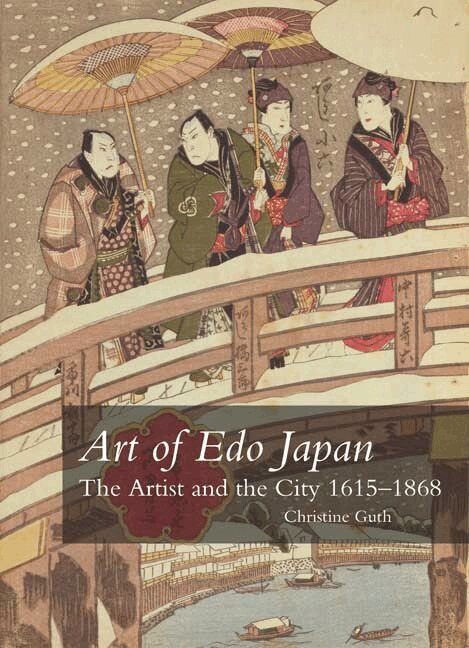
This beautifully illustrated survey examines the art and artists of the Edo period, one of the great epochs in Japanese art. Together with the imperial city of Kyoto and the port cities of Osaka and Nagasaki, the splendid capital city of Edo (now Tokyo) nurtured a magnificent tradition of painting, calligraphy, printmaking, ceramics, architecture, textile work, and lacquer. As each city created its own distinctive social, political, and economic environment, its art acquired a unique flavor and aesthetic. Author Christine Guth focuses on the urban aspects of Edo art, including discussions of many of Japan’s most popular artists—Korin, Utamaro, and Hiroshige, among others—as well as those that are lesser known, and provides a fascinating look at the cities in which they worked.
4 079 kr
Skickas inom 7-10 vardagar
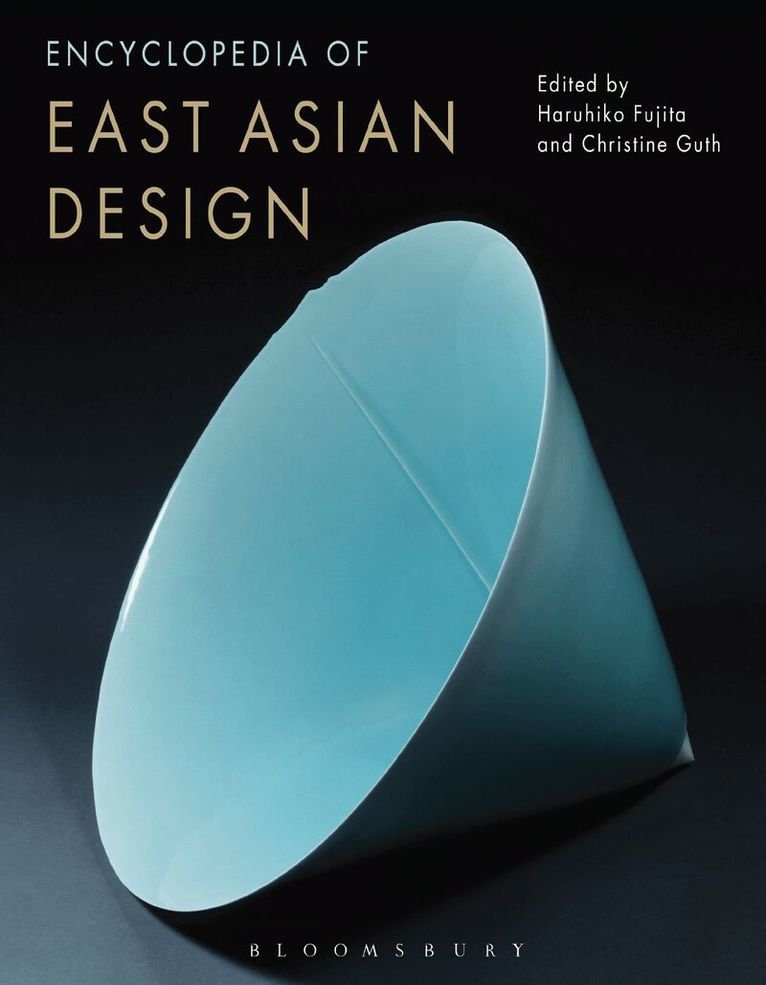
The Encyclopedia of East Asian Design is the first comprehensive publication to focus on East Asian design and its histories. Although definitions of design in Asia are multiple, fluid and historically contingent, the disparate cultures within this vast landmass have long produced arts and crafts, interior, graphic, and design objects for domestic, regional, and global consumption. The encyclopedia provides in-depth, critically informed coverage of these practices, products, and the interpretive issues pertaining to them.The work is organised by country to reflect specific regional and national histories and geographies. Within these geographies, traditions, histories, theories and practices as well as key issues in modern and contemporary design are considered. The topics covered in these volumes range from ceramics and textiles, interior and architectural design, to environmental and sustainable design.
Del 29 - Studies in Asian Art and Archaeology
Japanese Art – Transcultural Perspectives
Inbunden, Engelska, 2024
2 314 kr
Skickas inom 3-6 vardagar
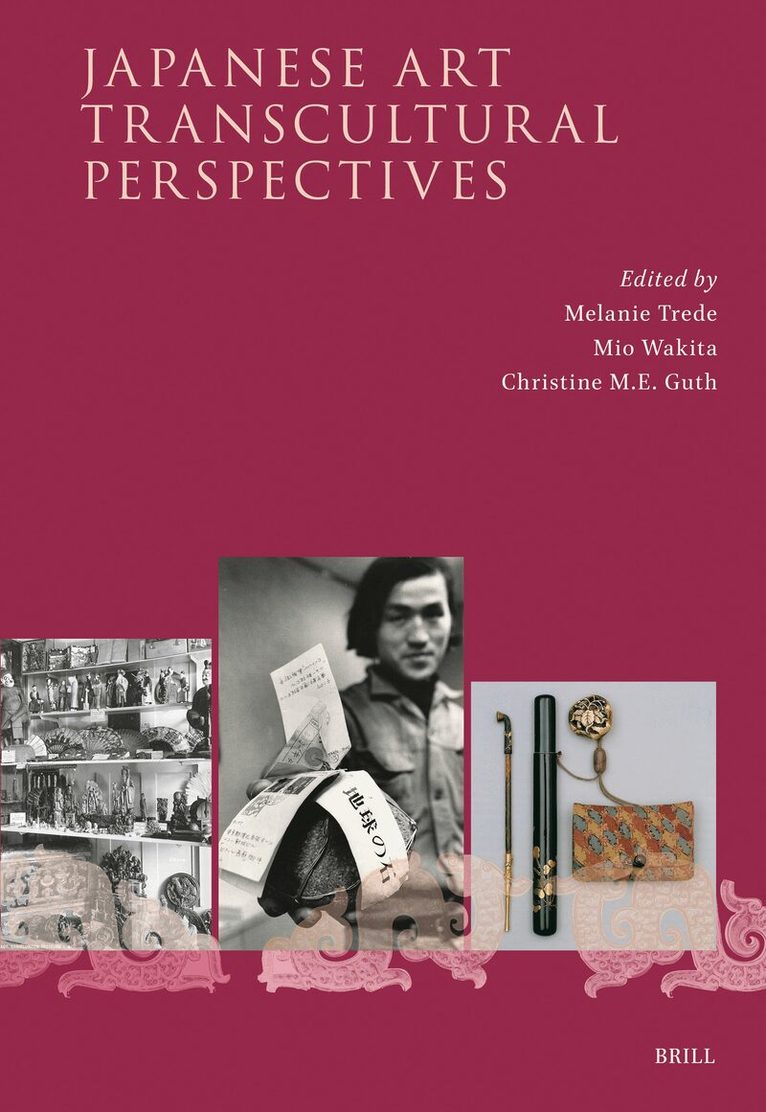
The transcultural approach to Japanese art history embraced by the contributors to this volume centers on the dynamic aesthetic, artistic, and conceptual negotiations across cultural, temporal, and spatial boundaries. It not only acknowledges material objects, people, and technologies as agents, but also intangible practices such as knowledge and concepts as vital agencies of interaction in transcultural processes. With its premise on connectivity, trans-territoriality, networks, and their transformative potential, this research destabilizes categorical configurations such as “center vs. periphery” and “high vs. low,” calling into question the classical canon of Japanese art history.