Christine Lucia – författare
Visar alla böcker från författaren Christine Lucia. Handla med fri frakt och snabb leverans.
6 produkter
6 produkter
Häftad, Engelska, 2024
400 kr
Skickas inom 5-8 vardagar
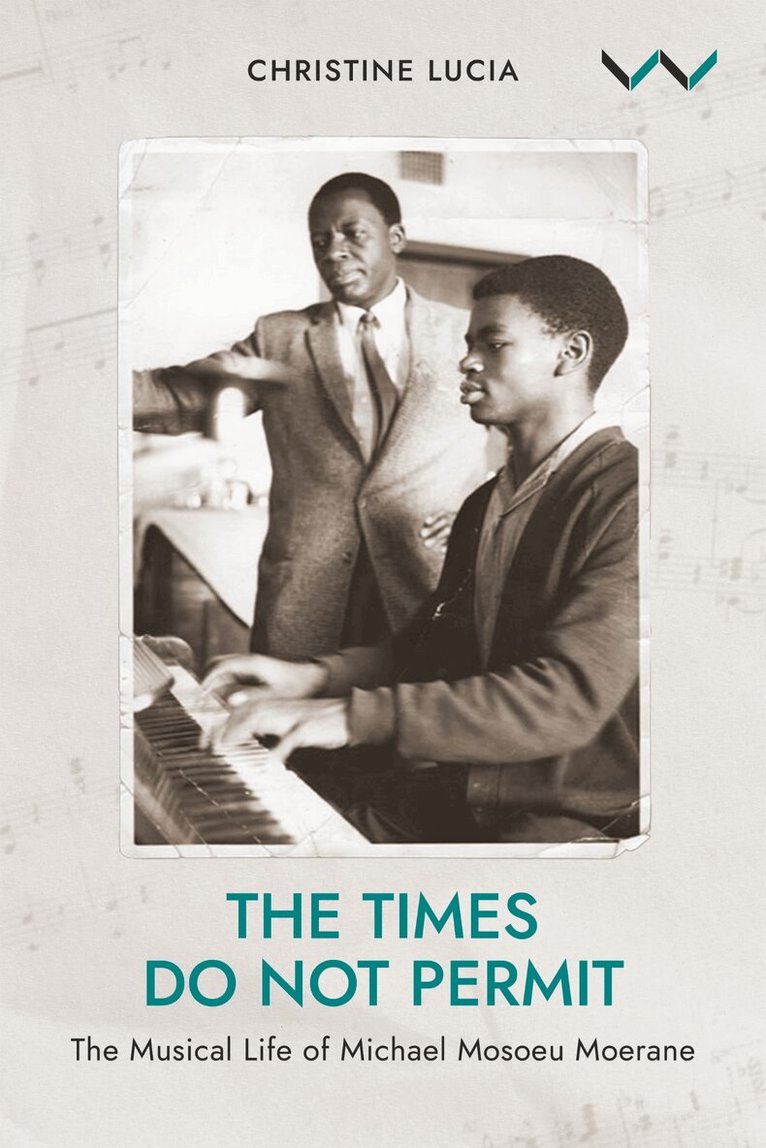
This biography of Michael Mosoeu Moerane (1904-1980) surveys the unique life, times and music of the first classically educated African composer in southern Africa.
E-bok
PDF, Engelska, 2024347 kr
Läs direkt efter köp
The Times Do Not Permit is the first extended overview of the life, times, and music of Michael Mosoeu Moerane (1904-1980), a composer brought up in rural South Africa in the early twentieth century. It offers a close study of African choral music that dates back to mission schools and colleges in the Eastern Cape, where a number of future African composers, as well as future political leaders, were educated. Moerane was one of many mission-trained musicians who wrote short a cappella choral works for churches and schools. The Times Do Not Permit explores the political changes and social conditions that made life for Moerane both possible and impossible as a composer. He was the first black South African to qualify with a BMus degree in 1941. However, this caused difficulties for him both within the African choral circuit, where his advanced modernist style was considered strange and difficult, and within white concert life, from which he was largely excluded. Only his symphonic poem for orchestra, Fatšo La Heso, attained some recognition locally and internationally during his lifetime, and the score survived, unlike many of the piano pieces and smaller instrumental works he wrote. In addition to telling the story of his ancestry, upbringing, education and teaching career, Christina Lucia offers an analysis of his music, the famous symphonic poem and four of his choral pieces, to reflect the major themes he expressed. The Times Do Not Permit is supplemented with interviews with those who knew Moerane, and ends with a coda of professional letters to, from and about him that gives his voice a presence in the absence of much personal documentation.
E-bok
Engelska, 2024335 kr
Läs direkt efter köp
The Times Do Not Permit is the first extended overview of the life, times, and music of Michael Mosoeu Moerane (1904-1980), a composer brought up in rural South Africa in the early twentieth century. It offers a close study of African choral music that dates back to mission schools and colleges in the Eastern Cape, where a number of future African composers, as well as future political leaders, were educated. Moerane was one of many mission-trained musicians who wrote short a cappella choral works for churches and schools. The Times Do Not Permit explores the political changes and social conditions that made life for Moerane both possible and impossible as a composer. He was the first black South African to qualify with a BMus degree in 1941. However, this caused difficulties for him both within the African choral circuit, where his advanced modernist style was considered strange and difficult, and within white concert life, from which he was largely excluded. Only his symphonic poem for orchestra, Fatšo La Heso, attained some recognition locally and internationally during his lifetime, and the score survived, unlike many of the piano pieces and smaller instrumental works he wrote. In addition to telling the story of his ancestry, upbringing, education and teaching career, Christina Lucia offers an analysis of his music, the famous symphonic poem and four of his choral pieces, to reflect the major themes he expressed. The Times Do Not Permit is supplemented with interviews with those who knew Moerane, and ends with a coda of professional letters to, from and about him that gives his voice a presence in the absence of much personal documentation.
Häftad, Engelska, 2008
388 kr
Skickas inom 5-8 vardagar
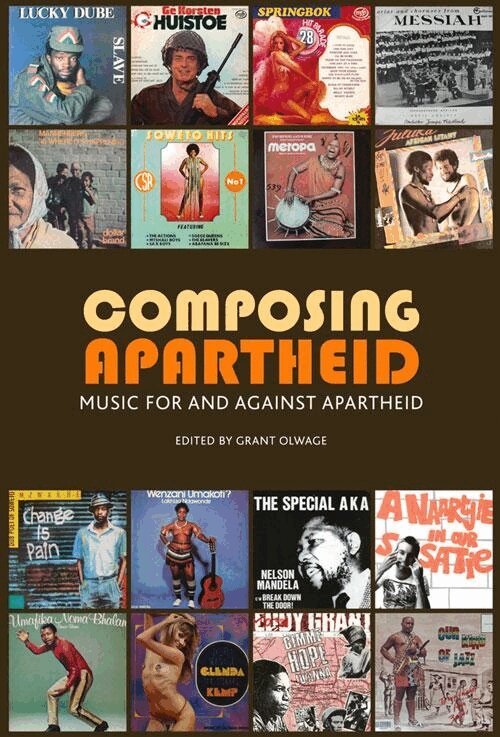
Composing Apartheid is the first book ever to chart the musical world of a notorious period in world history, apartheid South Africa. It explores how music was produced through, and was productive of, key features of apartheid's social and political topography, as well as how music and musicians contested and even helped to conquer apartheid. The collection of essays is intentionally broad, and the contributors include historians, sociologists and anthropologists, as well as ethnomusicologists, music theorists and historical musicologists. The essays focus on a variety of music (jazz, music in the Western art tradition, popular music) and on major composers (such as Kevin Volans) and works (Handel's Messiah). Musical institutions and previously little-researched performers (such as the African National Congress's troupe-in-exile, Amandla) are explored. The writers move well beyond their subject matter, intervening in debates on race, historiography, and postcolonial epistemologies and pedagogies.
E-bok
PDF, Engelska, 2008398 kr
Läs direkt efter köp
Composing Apartheid is the first book ever to chart the musical world of a notorious period in world history, apartheid South Africa. It explores how music was produced through, and was productive of, key features of apartheid’s social and political topography, as well as how music and musicians contested and even helped to conquer apartheid. The collection of essays is intentionally broad, and the contributors include historians, sociologists and anthropologists, as well as ethnomusicologists, music theorists and historical musicologists. The essays focus on a variety of music (jazz, music in the Western art tradition, popular music) and on major composers (such as Kevin Volans) and works (Handel’s Messiah). Musical institutions and previously little-researched performers (such as the African National Congress’s troupe-in-exile, Amandla) are explored. The writers move well beyond their subject matter, intervening in debates on race, historiography, and postcolonial epistemologies and pedagogies.
E-bok
Engelska, 2008398 kr
Läs direkt efter köp
Composing Apartheid is the first book ever to chart the musical world of a notorious period in world history, apartheid South Africa. It explores how music was produced through, and was productive of, key features of apartheid’s social and political topography, as well as how music and musicians contested and even helped to conquer apartheid. The collection of essays is intentionally broad, and the contributors include historians, sociologists and anthropologists, as well as ethnomusicologists, music theorists and historical musicologists. The essays focus on a variety of music (jazz, music in the Western art tradition, popular music) and on major composers (such as Kevin Volans) and works (Handel’s Messiah). Musical institutions and previously little-researched performers (such as the African National Congress’s troupe-in-exile, Amandla) are explored. The writers move well beyond their subject matter, intervening in debates on race, historiography, and postcolonial epistemologies and pedagogies.