Christof Koch – författare
267 kr
Skickas
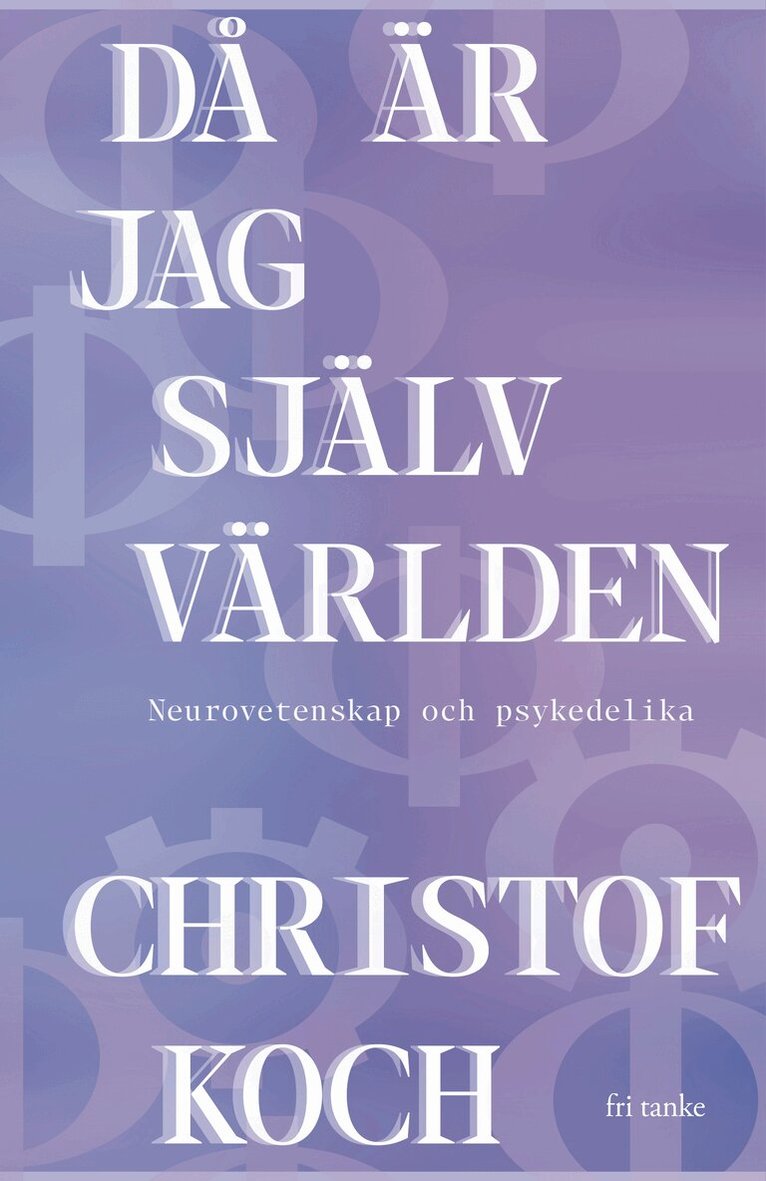
Trots att forskningen om medvetandet har expanderat avsevärt de senaste decennierna råder det fortfarande ingen vetenskaplig konsensus om vad medvetandet verkligen är.
Neurovetaren och biologen Christoph Koch har ägnat större delen av sitt forskarliv åt att försöka lösa medvetandets gåta. Men det var först efter två omvälvande händelser, en psykedelisk drogtripp och en nära döden-upplevelse som han började ana vad som faktiskt utmärker det mänskliga medvetandet. I den här boken försöker han beskriva sina upplevelser, och går i dialog med såväl neurovetenskapens senaste rön som kulturhistorien.
248 kr
Skickas
1 015 kr
Läs direkt efter köp
1 188 kr
Skickas inom 5-8 vardagar
1 015 kr
Läs direkt efter köp
239 kr
Läs direkt efter köp
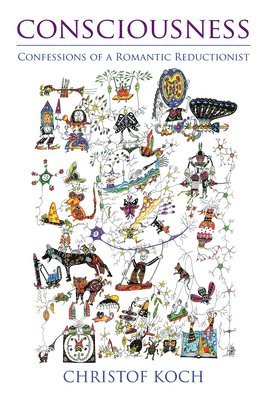
In which a scientist searches for an empirical explanation for phenomenal experience, spurred by his instinctual belief that life is meaningful.
What links conscious experience of pain, joy, color, and smell to bioelectrical activity in the brain? How can anything physical give rise to nonphysical, subjective, conscious states? Christof Koch has devoted much of his career to bridging the seemingly unbridgeable gap between the physics of the brain and phenomenal experience. This engaging book—part scientific overview, part memoir, part futurist speculation—describes Koch''s search for an empirical explanation for consciousness. Koch recounts not only the birth of the modern science of consciousness but also the subterranean motivation for his quest—his instinctual (if "romantic") belief that life is meaningful.
Koch describes his own groundbreaking work with Francis Crick in the 1990s and 2000s and the gradual emergence of consciousness (once considered a "fringy" subject) as a legitimate topic for scientific investigation. Present at this paradigm shift were Koch and a handful of colleagues, including Ned Block, David Chalmers, Stanislas Dehaene, Giulio Tononi, Wolf Singer, and others. Aiding and abetting it were new techniques to listen in on the activity of individual nerve cells, clinical studies, and brain-imaging technologies that allowed safe and noninvasive study of the human brain in action.
Koch gives us stories from the front lines of modern research into the neurobiology of consciousness as well as his own reflections on a variety of topics, including the distinction between attention and awareness, the unconscious, how neurons respond to Homer Simpson, the physics and biology of free will, dogs, Der Ring des Nibelungen, sentient machines, the loss of his belief in a personal God, and sadness. All of them are signposts in the pursuit of his life''s work—to uncover the roots of consciousness.
282 kr
Läs direkt efter köp
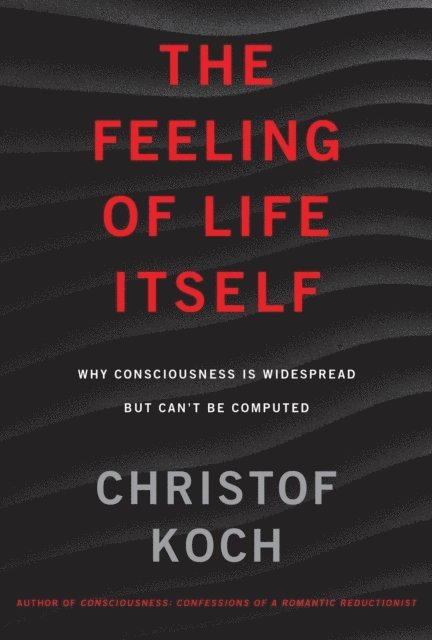
An argument that consciousness, more widespread than previously assumed, is the feeling of being alive, not a type of computation or a clever hack.
In The Feeling of Life Itself, Christof Koch offers a straightforward definition of consciousness as any subjective experience, from the most mundane to the most exalted—the feeling of being alive.
Psychologists study which cognitive operations underpin a given conscious perception. Neuroscientists track the neural correlates of consciousness in the brain, the organ of the mind. But why the brain and not, say, the liver? How can the brain, three pounds of highly excitable matter, a piece of furniture in the universe, subject to the same laws of physics as any other piece, give rise to subjective experience? Koch argues that what is needed to answer these questions is a quantitative theory that starts with experience and proceeds to the brain. In The Feeling of Life Itself, Koch outlines such a theory, based on integrated information.
Koch describes how the theory explains many facts about the neurology of consciousness and how it has been used to build a clinically useful consciousness meter. The theory predicts that many, and perhaps all, animals experience the sights and sounds of life; consciousness is much more widespread than conventionally assumed. Contrary to received wisdom, however, Koch argues that programmable computers will not have consciousness. Even a perfect software model of the brain is not conscious. Its simulation is fake consciousness. Consciousness is not a special type of computation—it is not a clever hack. Consciousness is about being.
826 kr
Skickas inom 5-8 vardagar
185 kr
Skickas
268 kr
Skickas inom 5-8 vardagar
388 kr
Skickas inom 10-15 vardagar
380 kr
Läs direkt efter köp
258 kr
Skickas inom 10-15 vardagar
253 kr
Läs direkt efter köp
368 kr
Skickas inom 10-15 vardagar
139 kr
Läs direkt efter köp
Trots att forskningen om medvetandet har expanderat avsevärt de senaste decennierna råder det fortfarande ingen vetenskaplig konsensus om vad medvetandet verkligen är.
Neurovetaren och biologen Christoph Koch har ägnat större delen av sitt forskarliv åt att försöka lösa medvetandets gåta. Men det var först efter två omvälvande händelser, en psykedelisk drogtripp och en nära döden-upplevelse som han började ana vad som faktiskt utmärker det mänskliga medvetandet. I den här boken försöker han beskriva sina upplevelser, och går i dialog med såväl neurovetenskapens senaste rön som kulturhistorien.
150 kr
Tillfälligt slut
271 kr
Tillfälligt slut