Christopher F Jones – författare
Visar alla böcker från författaren Christopher F Jones. Handla med fri frakt och snabb leverans.
4 produkter
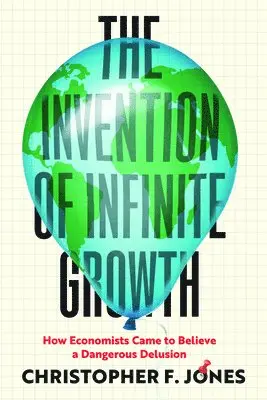
Invention of Infinite Growth
How Economists Came to Believe a Dangerous Delusion
Inbunden, 2025
291 kr
Lägg i varukorg
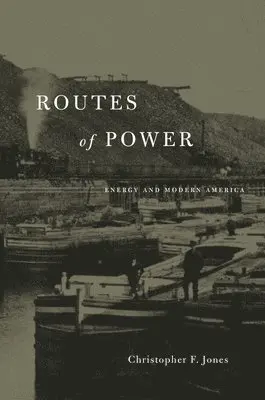
Routes of Power
Energy and Modern America
Häftad, 2020
323 kr
Lägg i varukorg
The fossil fuel revolution is usually rendered as a tale of historic advances in energy production. In this perspective-changing account, Christopher F. Jones instead tells a story of advances in energy access—canals, pipelines, and wires that delivered power in unprecedented quantities to cities …
Invention of Infinite Growth
How Economists Forgot About the Natural World
Inbunden, 2025
279 kr
Lägg i varukorg
Let’s connect mainstream economics with realityPeople in power tell us that growth is the surest path to a better life. This idea has shaped policy across the globe for the last seventy-five years, promising economic benefits that can continue without limit. Economists have clung to this premise …
Invention of Infinite Growth
How Economists Forgot About the Natural World
E-bok, 2025
226 kr
Lägg i varukorg
How mainstream economics lost touch with reality People in power tell us that growth is the surest path to a better life. This idea has shaped policy across the globe for over two hundred years, promising economic benefits to the many, without sacrifices. We have clung to this promise while …