
Christopher Heurlin – författare
Visar alla böcker från författaren Christopher Heurlin. Handla med fri frakt och snabb leverans.
4 produkter
4 produkter
E-bok
PDF, Engelska, 2026962 kr
Läs direkt efter köp
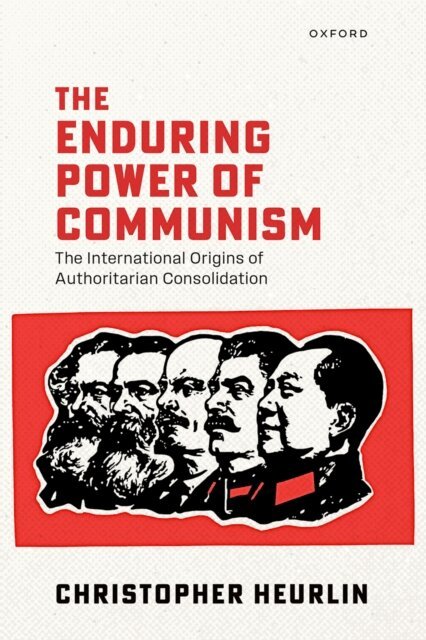
The Enduring Power of Communism explores why communist dictatorships in Asia and Latin America have been so durable, despite being relatively weak when they came to power. The book encompasses a comparative historical analysis of all seven non-European communist regimes: China, Vietnam, North Korea, Cuba, Laos, Cambodia, and Mongolia. Drawing on research in the East German archives, Heurlin argues the origins of communist durability lay in an extraordinary campaign by the Soviet Union and the Eastern Bloc to promote communism abroad. Moscow sent tens of thousands of advisors to fledgling communist regimes in the developing world, helping them to establish powerful state bureaucracies that could plan and direct economic development. Soviet economic aid financed the construction of scores of state-owned enterprises (SOEs) that granted communist rulers tremendous control of the economy. SOEs channelled tax revenues to rulers, while also serving as sites of social domination, granting communist parties tremendous authority over society. These increases in state power were made possible because of the similarities in institutions between communist donors and communist aid recipients.Once they embarked on these state-building strategies, their paths diverged markedly. Cambodia failed to consolidate its authoritarian institutions, in stark contrast to the experiences in neighbouring Vietnam and Laos. Authoritarian consolidation occurred in North Korea and China, only to be disrupted by radical campaigns like the Great Leap Forward that attacked the very state bureaucracies they had just built. Elsewhere in Mongolia and Cuba the process of authoritarian consolidation was protracted and delayed for over a decade. Most notably, communism collapsed in Mongolia and Cambodia at the end of the Cold War as ruling parties renounced their monopoly on power and initiated democratic elections. The Enduring Power of Communism explains why these divergent pathways emerged. Outside of the communist camp the results of Soviet aid were less impressive. Soviet efforts in Ghana ended in spectacular failure: the economy cratered and its ruler, Kwame Nkrumah, was overthrown by a military coup. Far from an outlier, this marked a pattern: while Soviet aid strengthened communist regimes, it made non-communist regimes more vulnerable to military coups.

E-bok
Engelska, 2026962 kr
Läs direkt efter köp
The Enduring Power of Communism explores why communist dictatorships in Asia and Latin America have been so durable, despite being relatively weak when they came to power. The book encompasses a comparative historical analysis of all seven non-European communist regimes: China, Vietnam, North Korea, Cuba, Laos, Cambodia, and Mongolia. Drawing on research in the East German archives, Heurlin argues the origins of communist durability lay in an extraordinary campaign by the Soviet Union and the Eastern Bloc to promote communism abroad. Moscow sent tens of thousands of advisors to fledgling communist regimes in the developing world, helping them to establish powerful state bureaucracies that could plan and direct economic development. Soviet economic aid financed the construction of scores of state-owned enterprises (SOEs) that granted communist rulers tremendous control of the economy. SOEs channelled tax revenues to rulers, while also serving as sites of social domination, granting communist parties tremendous authority over society. These increases in state power were made possible because of the similarities in institutions between communist donors and communist aid recipients.Once they embarked on these state-building strategies, their paths diverged markedly. Cambodia failed to consolidate its authoritarian institutions, in stark contrast to the experiences in neighbouring Vietnam and Laos. Authoritarian consolidation occurred in North Korea and China, only to be disrupted by radical campaigns like the Great Leap Forward that attacked the very state bureaucracies they had just built. Elsewhere in Mongolia and Cuba the process of authoritarian consolidation was protracted and delayed for over a decade. Most notably, communism collapsed in Mongolia and Cambodia at the end of the Cold War as ruling parties renounced their monopoly on power and initiated democratic elections. The Enduring Power of Communism explains why these divergent pathways emerged. Outside of the communist camp the results of Soviet aid were less impressive. Soviet efforts in Ghana ended in spectacular failure: the economy cratered and its ruler, Kwame Nkrumah, was overthrown by a military coup. Far from an outlier, this marked a pattern: while Soviet aid strengthened communist regimes, it made non-communist regimes more vulnerable to military coups.
Inbunden, Engelska, 2026
2 314 kr
Skickas inom 3-6 vardagar
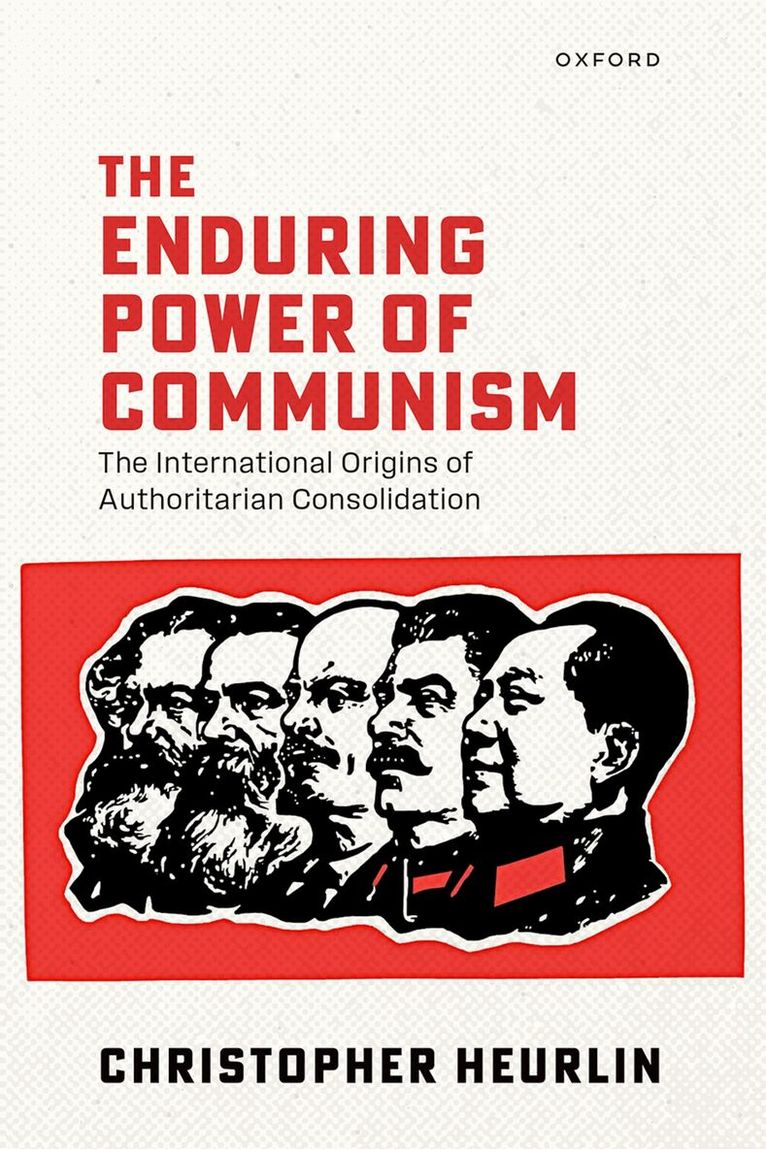
The Enduring Power of Communism explores why communist dictatorships in Asia and Latin America have been so durable, despite being relatively weak when they came to power. The book encompasses a comparative historical analysis of all seven non-European communist regimes: China, Vietnam, North Korea, Cuba, Laos, Cambodia, and Mongolia. Drawing on research in the East German archives, Heurlin argues the origins of communist durability lay in an extraordinary campaign by the Soviet Union and the Eastern Bloc to promote communism abroad. Moscow sent tens of thousands of advisors to fledgling communist regimes in the developing world, helping them to establish powerful state bureaucracies that could plan and direct economic development. Soviet economic aid financed the construction of scores of state-owned enterprises (SOEs) that granted communist rulers tremendous control of the economy. SOEs channelled tax revenues to rulers, while also serving as sites of social domination, granting communist parties tremendous authority over society. These increases in state power were made possible because of the similarities in institutions between communist donors and communist aid recipients.Once they embarked on these state-building strategies, their paths diverged markedly. Cambodia failed to consolidate its authoritarian institutions, in stark contrast to the experiences in neighbouring Vietnam and Laos. Authoritarian consolidation occurred in North Korea and China, only to be disrupted by radical campaigns like the Great Leap Forward that attacked the very state bureaucracies they had just built. Elsewhere in Mongolia and Cuba the process of authoritarian consolidation was protracted and delayed for over a decade. Most notably, communism collapsed in Mongolia and Cambodia at the end of the Cold War as ruling parties renounced their monopoly on power and initiated democratic elections. The Enduring Power of Communism explains why these divergent pathways emerged. Outside of the communist camp the results of Soviet aid were less impressive. Soviet efforts in Ghana ended in spectacular failure: the economy cratered and its ruler, Kwame Nkrumah, was overthrown by a military coup. Far from an outlier, this marked a pattern: while Soviet aid strengthened communist regimes, it made non-communist regimes more vulnerable to military coups.
Inbunden, Engelska, 2016
1 292 kr
Skickas inom 7-10 vardagar
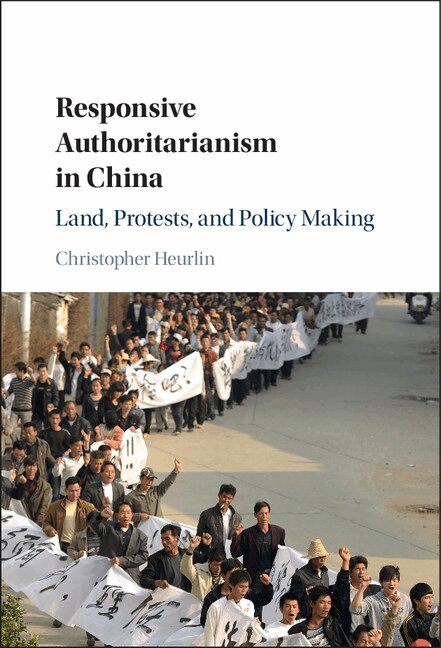
How can protests influence policymaking in a repressive dictatorship? Responsive Authoritarianism in China sheds light on this important question through case studies of land takings and demolitions - two of the most explosive issues in contemporary China. In the early 2000s, landless farmers and evictees unleashed waves of disruptive protests. Surprisingly, the Chinese government responded by adopting wide-ranging policy changes that addressed many of the protesters' grievances. Heurlin traces policy changes from local protests in the provinces to the halls of the National People's Congress (NPC) in Beijing. In doing so, he highlights the interplay between local protests, state institutions, and elite politics. He shows that the much-maligned petitioning system actually plays an important role in elevating protesters' concerns to the policymaking agenda. Delving deep into the policymaking process, the book illustrates how the State Council and NPC have become battlegrounds for conflicts between ministries and local governments over state policies.