Christopher Wakeling – författare
Visar alla böcker från författaren Christopher Wakeling. Handla med fri frakt och snabb leverans.
2 produkter
2 produkter
Inbunden, Engelska, 2024
700 kr
Skickas inom 5-8 vardagar
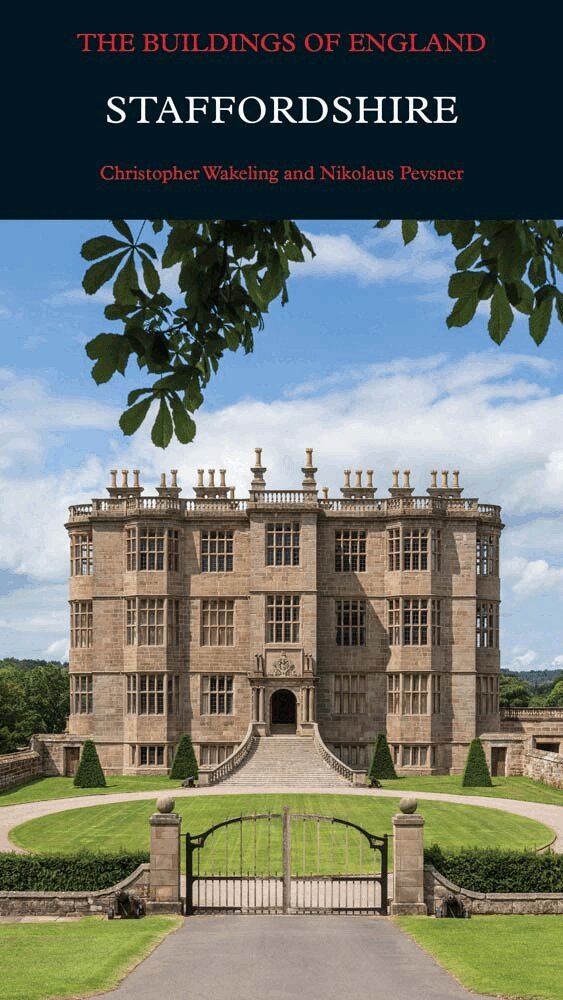
The newly revised Pevsner guide covering the very best of Staffordshire’s buildings and architectural features This expanded and updated guide to the architecture of Staffordshire completes the revised Buildings of England series. The county’s highlights include the cathedral city of Lichfield, the surprisingly little-known county town of Stafford, and outstanding country houses from the Tudor, Stuart, and Georgian centuries, such as Wootton Lodge, Weston Park, and Shugborough Hall with its internationally important garden buildings. A rich and distinctive industrial history is reflected in the pottery buildings of Stoke‑on‑Trent and the breweries of Burton‑upon‑Trent. Among the smaller towns, Leek was the centre of a thriving Arts and Crafts community. Staffordshire’s best timber-framed houses rival those of Cheshire, and its building stones reflect the varied geology of a landscape that extends to the wild country of the Peak District and Cannock Chase. The county was also a stronghold of the Gothic Revival, represented by such masterpieces as Pugin’s St Giles, Cheadle, and Bodley & Garner’s memorial church at Hoar Cross.Each city, town, or village is treated in a detailed gazetteer. A general introduction provides a historical and artistic overview. Also included are plentiful maps and plans, over 120 new colour photographs, full indexes, and an illustrated glossary. The result is both an indispensable reference work and an invaluable guide.
Inbunden, Engelska, 2017
1 019 kr
Skickas inom 5-8 vardagar
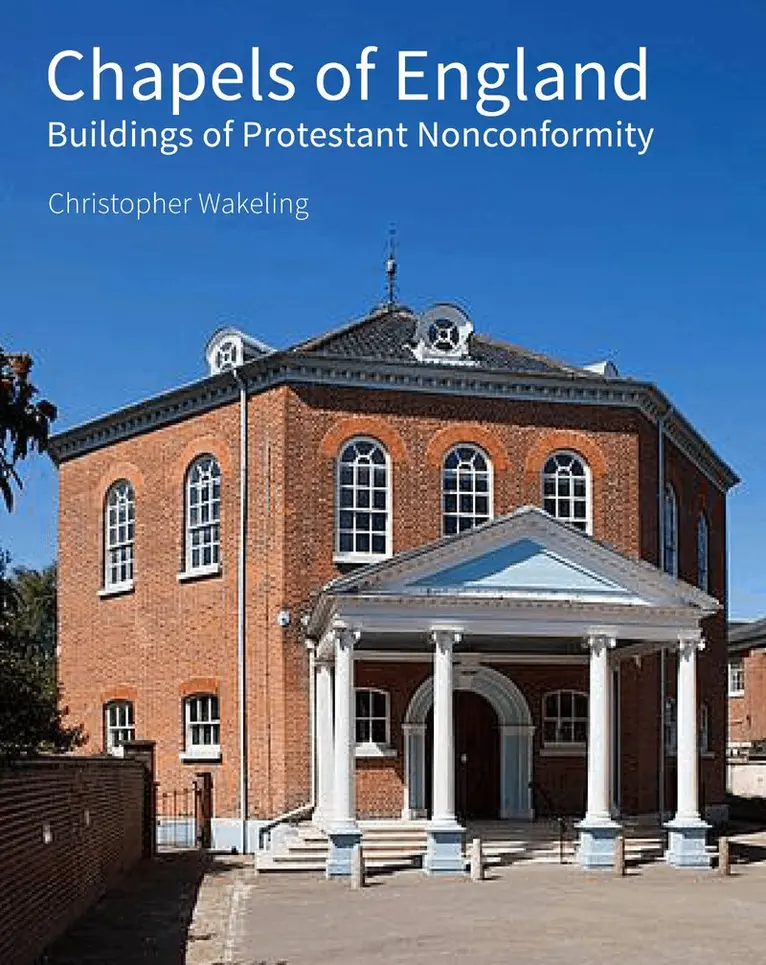
Religion in Britain after the Reformation was remarkably unstable and places of worship were the focus of dispute and regular change. This book is the first substantial synoptic account of Nonconformist church architecture in England and aims to provide a history of Nonconformist architecture, using existing buildings wherever possible. It includes examples from the 17th century to the present day, covering all parts of the country and each of the main religious traditions within Nonconformity. Despite the loss of very large numbers of chapels in the past half-century, there are still around 20,000 Nonconformist congregations in England. The book includes some of the smallest wayside chapels as well as some grand urban structures and aims to mention the most influential Nonconformist buildings as well as giving examples of the most common types. These examples are set in the architectural, religious and cultural context of the development of English Nonconformity. The chronological arrangement allows the reader to follow the main architectural development in the Nonconformist world The range and varied nature of the architecture is illustrated with new photographs of both interiors and exteriors.