Claire Elizabeth Campbell – författare
Visar alla böcker från författaren Claire Elizabeth Campbell. Handla med fri frakt och snabb leverans.
7 produkter
7 produkter
E-bok
PDF, Engelska, 2017386 kr
Läs direkt efter köp
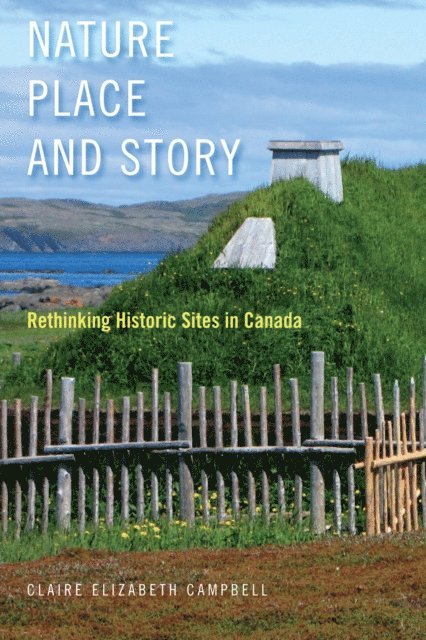
National historic sites commemorate decisive moments in the making of Canada. But seen through an environmental lens, these sites become artifacts of a bigger story: the occupation and transformation of nature into nation. In an age of pressing discussions about environmental sustainability, there is a growing need to know more about the history of our relationship with the natural world and what lessons these places of public history, regional identity, and national narrative can teach us. Nature, Place, and Story provides new interpretations for five of Canada’s largest and most iconic historic sites (two of which are UNESCO World Heritage Sites): L’Anse aux Meadows, Newfoundland; Grand Pré, Nova Scotia; Fort William, Ontario; the Forks of the Red River, Manitoba; and the Bar U Ranch, Alberta. At each location, Claire Campbell rewrites public history as environmental history, revealing the country’s debt to the power and fragility of the natural world, and the relevance of the past to understanding climate change, agricultural sustainability, wilderness protection, urban reclamation, and fossil fuel extraction. From the medieval Atlantic to modern ranchlands, environmental history speaks directly to contemporary questions about the health of Canada’s habitat. Bringing together public and environmental history in an entirely new way, Nature, Place, and Story is a lively and ambitious call for a fresh perspective on natural heritage.
E-bok
Engelska, 2017386 kr
Läs direkt efter köp
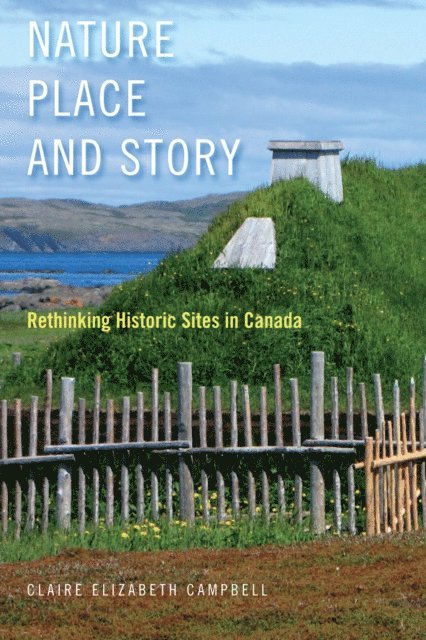
National historic sites commemorate decisive moments in the making of Canada. But seen through an environmental lens, these sites become artifacts of a bigger story: the occupation and transformation of nature into nation. In an age of pressing discussions about environmental sustainability, there is a growing need to know more about the history of our relationship with the natural world and what lessons these places of public history, regional identity, and national narrative can teach us. Nature, Place, and Story provides new interpretations for five of Canada’s largest and most iconic historic sites (two of which are UNESCO World Heritage Sites): L’Anse aux Meadows, Newfoundland; Grand Pré, Nova Scotia; Fort William, Ontario; the Forks of the Red River, Manitoba; and the Bar U Ranch, Alberta. At each location, Claire Campbell rewrites public history as environmental history, revealing the country’s debt to the power and fragility of the natural world, and the relevance of the past to understanding climate change, agricultural sustainability, wilderness protection, urban reclamation, and fossil fuel extraction. From the medieval Atlantic to modern ranchlands, environmental history speaks directly to contemporary questions about the health of Canada’s habitat. Bringing together public and environmental history in an entirely new way, Nature, Place, and Story is a lively and ambitious call for a fresh perspective on natural heritage.
Häftad, Engelska, 2020
442 kr
Skickas inom 10-15 vardagar
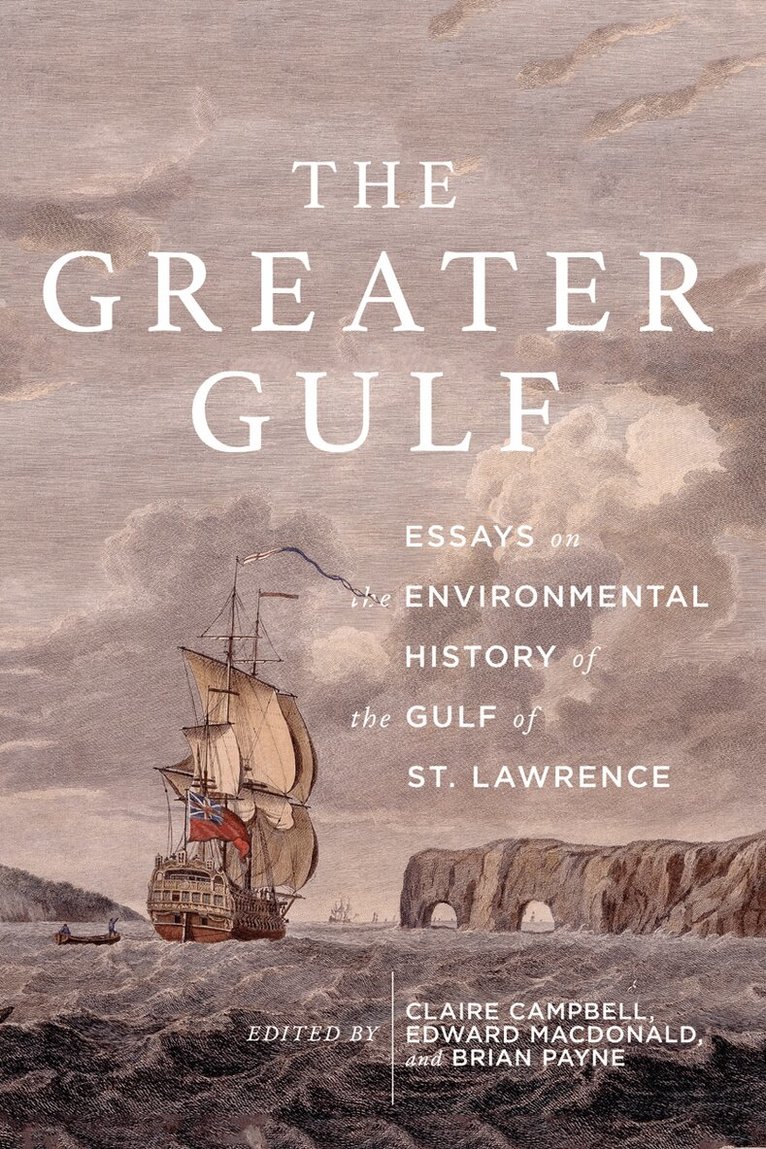
The largest estuary in the world, the Gulf of St Lawrence is defined broadly by an ecology that stretches from the upper reaches of the St Lawrence River to the Gulf Stream, and by a web of influences that reach from the heart of the continent to northern Europe. For more than a millennium, the gulf's strategic location and rich marine resources have made it a destination and a gateway, a cockpit and a crossroads, and a highway and a home. From Vinland the Good to the novels of Lucy Maud Montgomery, the Gulf has haunted the Western imagination. A transborder collaboration between Canadian and American scholars, The Greater Gulf represents the first concerted exploration of the environmental history - marine and terrestrial - of the Gulf of St Lawrence. Contributors tell many histories of a place that has been fished, fought over, explored, and exploited. The essays' defining themes resonate in today's charged atmosphere of quickening climate change as they recount stories of resilience played against ecological fragility, resistance at odds with accommodation, considered versus reckless exploitation, and real, imagined, and imposed identities. Reconsidering perceptions about borders and the spaces between and across land and sea, The Greater Gulf draws attention to a central place and part of North Atlantic and North American history.
E-bok
PDF, Engelska, 2020481 kr
Läs direkt efter köp
The largest estuary in the world, the Gulf of St Lawrence is defined broadly by an ecology that stretches from the upper reaches of the St Lawrence River to the Gulf Stream, and by a web of influences that reach from the heart of the continent to northern Europe. For more than a millennium, the gulf''s strategic location and rich marine resources have made it a destination and a gateway, a cockpit and a crossroads, and a highway and a home.From Vinland the Good to the novels of Lucy Maud Montgomery, the Gulf has haunted the Western imagination. A transborder collaboration between Canadian and American scholars, The Greater Gulf represents the first concerted exploration of the environmental history – marine and terrestrial – of the Gulf of St Lawrence. Contributors tell many histories of a place that has been fished, fought over, explored, and exploited. The essays'' defining themes resonate in today''s charged atmosphere of quickening climate change as they recount stories of resilience played against ecological fragility, resistance at odds with accommodation, considered versus reckless exploitation, and real, imagined, and imposed identities. Reconsidering perceptions about borders and the spaces between and across land and sea, The Greater Gulf draws attention to a central place and part of North Atlantic and North American history.Contributors include Rainer Baehre (Memorial University of Newfoundland), Jack Bouchard (Folger Institute), Claire Campbell (Bucknell University), Caitlin Charman (Memorial University of Newfoundland), Jack Little (Simon Fraser University), Edward MacDonald (University of Prince Edward Island), Matthew McKenzie (University of Connecticut), Suzanne Morton (McGill University), Brian Payne (Bridgewater State University), John G. Reid (St. Mary''s University), and Daniel Soucier (University of Maine).
E-bok
Engelska, 2020481 kr
Läs direkt efter köp
The largest estuary in the world, the Gulf of St Lawrence is defined broadly by an ecology that stretches from the upper reaches of the St Lawrence River to the Gulf Stream, and by a web of influences that reach from the heart of the continent to northern Europe. For more than a millennium, the gulf''s strategic location and rich marine resources have made it a destination and a gateway, a cockpit and a crossroads, and a highway and a home.From Vinland the Good to the novels of Lucy Maud Montgomery, the Gulf has haunted the Western imagination. A transborder collaboration between Canadian and American scholars, The Greater Gulf represents the first concerted exploration of the environmental history – marine and terrestrial – of the Gulf of St Lawrence. Contributors tell many histories of a place that has been fished, fought over, explored, and exploited. The essays'' defining themes resonate in today''s charged atmosphere of quickening climate change as they recount stories of resilience played against ecological fragility, resistance at odds with accommodation, considered versus reckless exploitation, and real, imagined, and imposed identities. Reconsidering perceptions about borders and the spaces between and across land and sea, The Greater Gulf draws attention to a central place and part of North Atlantic and North American history.Contributors include Rainer Baehre (Memorial University of Newfoundland), Jack Bouchard (Folger Institute), Claire Campbell (Bucknell University), Caitlin Charman (Memorial University of Newfoundland), Jack Little (Simon Fraser University), Edward MacDonald (University of Prince Edward Island), Matthew McKenzie (University of Connecticut), Suzanne Morton (McGill University), Brian Payne (Bridgewater State University), John G. Reid (St. Mary''s University), and Daniel Soucier (University of Maine).
Inbunden, Engelska, 2004
1 168 kr
Skickas inom 5-8 vardagar
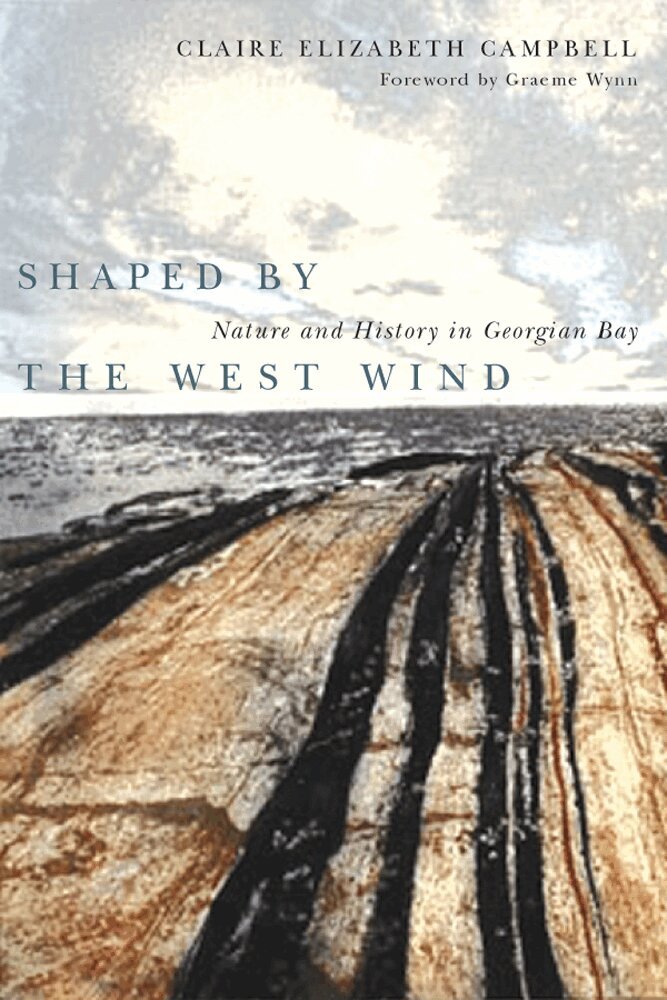
Along the east shore of Ontario's Georgian Bay lie the Thirty Thousand Islands, a granite archipelago scarred by glaciers, where the white pines cling to the ancient rock, twisted and bent by the west wind -- a symbol of a region where human history has been shaped by the natural environment. Over the last four centuries, the Bay has been visited by some of the most famous figures in Canadian history, from Samuel de Champlain to the Group of Seven. This book traces the history of Canadians' reactions to and interactions with this distinctive and often intractable landscape.Claire Campbell draws from recent work in cultural history, landscape studies in geography and art history, and environmental history to explore what happens when external agendas confront local realities -- a story central to the Canadian experience. Explorers, fishermen, artists, and park planners all were forced to respond to the unique contours of this inland sea; their encounters defined a regional identity even as they constructed a popular image for the Bay in the national imagination.Beginning with a revealing analysis of the cartographic history of the Bay, Campbell proceeds to examine changing cultural representations of landscape over time, shifts between resource development and recreational use, recurring motifs of water and rock in landscape design and representation, changing memories of place, and the environmental politics of place read through debates about resource management and parks.Campbell investigates the relationship between landscape, culture, and regional identity, and presents a case study in modern environmental thought. Each chapter presents a different type of encounter -- different ways in which people approached and interacted with the Bay. She incorporates a wide variety of sources, including art and literature, maps and survey journals, cottage architecture and boat design, government and park archives, tourism brochures, and oral interviews.This is not a narrowly conceived local history but a focused argument about how places take on shifting cultural meanings over time. The author argues that the environment of Georgian Bay is not simply an imagined geography but has been created through an active engagement between cultural readings and physical circumstances. Shaped by the West Wind speaks to a wide variety of disciplines including geography, art and design, literary criticism, environmental studies, and public history. It will appeal to anyone interested in the environmental dimensions of Canadian history.
Häftad, Engelska, 2026
442 kr
Kommande