Claire Sedgwick – författare
Visar alla böcker från författaren Claire Sedgwick. Handla med fri frakt och snabb leverans.
4 produkter
4 produkter
Inbunden, Engelska, 2020
1 524 kr
Skickas inom 10-15 vardagar
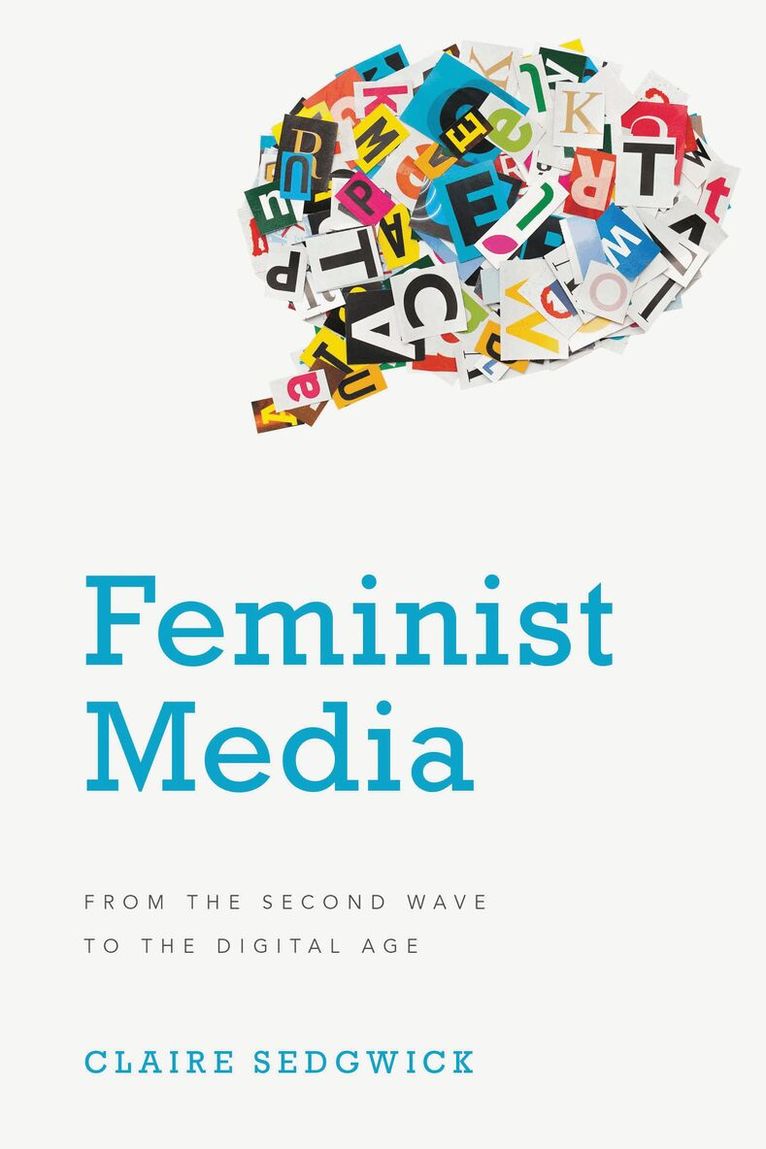
Feminist Media: From the Second Wave to the Digital Age analyses the relationship between second wave feminist media production and capitalism, as well as identifying the tradition that can be drawn between second wave feminism, Riot Grrrl and feminist blogging today. There has been a recent re-evaluation of the importance of second wave feminist media, demonstrated by the digitization of Spare Rib by the British Library in 2015. However, up until now, research on the magazine has been limited. This book analyses the relationship between Spare Rib and the capitalist publishing industry, comparing it to American feminist magazine Ms. The book argues that it is important to understand the cultural economies of the magazines as this had an impact on the assumed readership of the magazines, therefore having an impact on the issues that were privileged. The second half of the book charts a crucial and often overlooked link between feminist media production in the ‘second wave’ and more contemporary forms of feminist media activism.
Häftad, Engelska, 2020
531 kr
Skickas inom 10-15 vardagar
Feminist Media: From the Second Wave to the Digital Age analyses the relationship between second wave feminist media production and capitalism, as well as identifying the tradition that can be drawn between second wave feminism, Riot Grrrl and feminist blogging today. There has been a recent re-evaluation of the importance of second wave feminist media, demonstrated by the digitization of Spare Rib by the British Library in 2015. However, up until now, research on the magazine has been limited. This book analyses the relationship between Spare Rib and the capitalist publishing industry, comparing it to American feminist magazine Ms. The book argues that it is important to understand the cultural economies of the magazines as this had an impact on the assumed readership of the magazines, therefore having an impact on the issues that were privileged. The second half of the book charts a crucial and often overlooked link between feminist media production in the ‘second wave’ and more contemporary forms of feminist media activism.
Inbunden, Engelska, 2024
440 kr
Skickas inom 10-15 vardagar
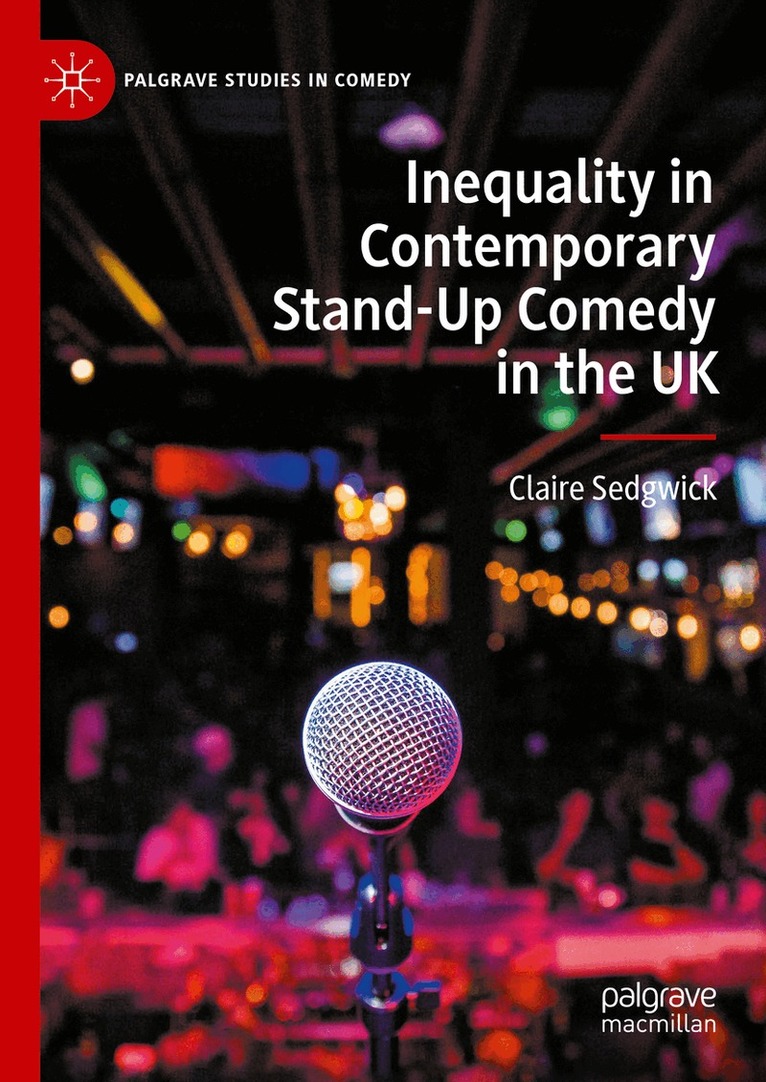
This Pivot explores the cultural economy of comedy in the UK, looking specifically at the links between industry practices and structures and who produces comedy in the UK. The research is based on interviews with comedians in the East Midlands; significantly, this demographic has been historically under-researched in studies of precarity, where the East Midlands is typically overlooked in discussions of arts funding and access in favour of a more simplistic north/south divide narrative. Similarly, whilst there has been increased discussion of the precarity of the creative and cultural industries, as well as media articles on the difficulty of breaking into comedy as a member of a marginalised group, there has been relatively little academic research to support this. While Friedman’s work in particular has been helpful for understanding the link between comedy producers, class and taste making, there has been less attention paid to the sociologies of work within comedy. This book fillsthese gaps in research by exploring the experiences of comedians in the East Midlands, contributing to the rich body of scholarship on inequality in the cultural industries and promoting a better understanding of the impact of structural inequalities and precarity on access to the cultural industries.
E-bok
Engelska, 2024535 kr
Läs direkt efter köp
This Pivot explores the cultural economy of comedy in the UK, looking specifically at the links between industry practices and structures and who produces comedy in the UK. The research is based on interviews with comedians in the East Midlands; significantly, this demographic has been historically under-researched in studies of precarity, where the East Midlands is typically overlooked in discussions of arts funding and access in favour of a more simplistic north/south divide narrative. Similarly, whilst there has been increased discussion of the precarity of the creative and cultural industries, as well as media articles on the difficulty of breaking into comedy as a member of a marginalised group, there has been relatively little academic research to support this. While Friedman’s work in particular has been helpful for understanding the link between comedy producers, class and taste making, there has been less attention paid to the sociologies of work within comedy. This book fillsthese gaps in research by exploring the experiences of comedians in the East Midlands, contributing to the rich body of scholarship on inequality in the cultural industries and promoting a better understanding of the impact of structural inequalities and precarity on access to the cultural industries.