Clare Sears – författare
Visar alla böcker från författaren . Handla med fri frakt och snabb leverans.
4 produkter
4 produkter
Häftad, Engelska, 2026
267 kr
Kommande
A searing, incisive analysis of the show that redefined queer television for a generation.The British cat-and-mouse spy thriller Killing Eve (BBC America, 2018–22) became an international sensation, captivating fans and critics alike. In this sharp and accessible study, scholar and fan Clare Sears presents a compelling queer reading of the series, examining how it appropriated and subverted thriller conventions to center the complexity and queerness of women's desires. Focusing on the show's lead characters, Sears unpacks portrayals of psychopathy that challenged familiar tropes of monstrosity and analyzes the significant controversy that surrounded the series' ending. Drawing on exclusive interviews with creator Phoebe Waller-Bridge and executive producer Sally Woodward Gentle, Sears reveals how industry conditions, audience dynamics, and broader cultural and historical factors shape contemporary television. Written for fans, scholars, and general readers, this book offers an engaging account of Killing Eve and its contributions to television history as innovative, escapist queer TV.
Inbunden, Engelska, 2014
1 253 kr
Skickas inom 5-8 vardagar
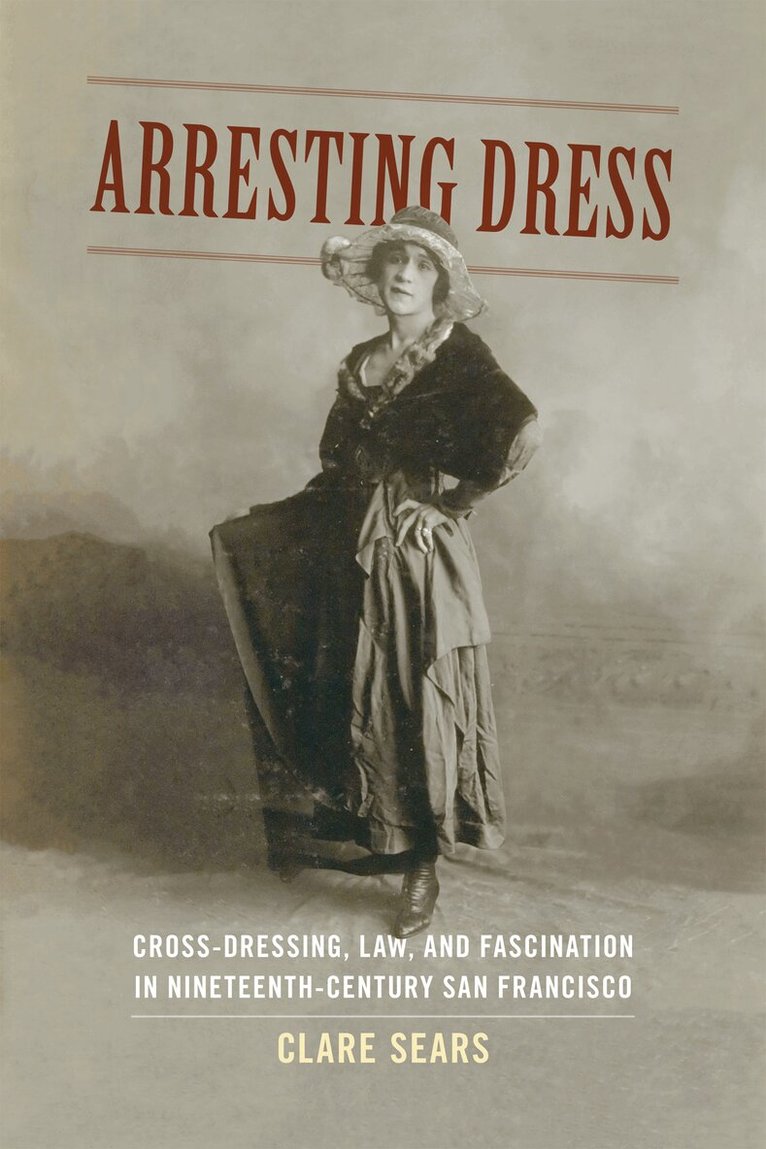
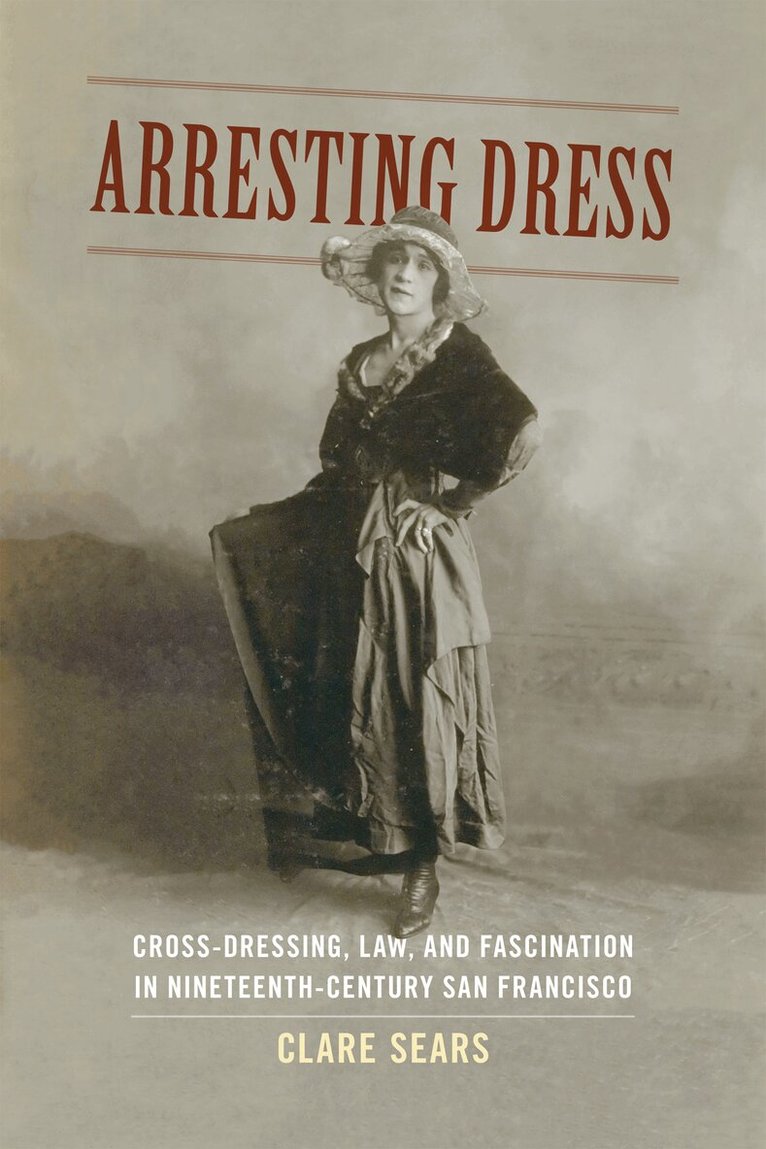
In 1863, San Francisco’s Board of Supervisors passed a law that criminalized appearing in public in “a dress not belonging to his or her sex.” Adopted as part of a broader anti-indecency campaign, the cross-dressing law became a flexible tool for policing multiple gender transgressions, facilitating over one hundred arrests before the century’s end. Over forty U.S. cities passed similar laws during this time, yet little is known about their emergence, operations, or effects. Grounded in a wealth of archival material, Arresting Dress traces the career of anti-cross-dressing laws from municipal courtrooms and codebooks to newspaper scandals, vaudevillian theater, freak-show performances, and commercial “slumming tours.” It shows that the law did not simply police normative gender but actively produced it by creating new definitions of gender normality and abnormality. It also tells the story of the tenacity of those who defied the law, spoke out when sentenced, and articulated different gender possibilities.
Häftad, Engelska, 2014
290 kr
Skickas inom 5-8 vardagar
In 1863, San Francisco’s Board of Supervisors passed a law that criminalized appearing in public in “a dress not belonging to his or her sex.” Adopted as part of a broader anti-indecency campaign, the cross-dressing law became a flexible tool for policing multiple gender transgressions, facilitating over one hundred arrests before the century’s end. Over forty U.S. cities passed similar laws during this time, yet little is known about their emergence, operations, or effects. Grounded in a wealth of archival material, Arresting Dress traces the career of anti-cross-dressing laws from municipal courtrooms and codebooks to newspaper scandals, vaudevillian theater, freak-show performances, and commercial “slumming tours.” It shows that the law did not simply police normative gender but actively produced it by creating new definitions of gender normality and abnormality. It also tells the story of the tenacity of those who defied the law, spoke out when sentenced, and articulated different gender possibilities.
E-bok
PDF, Engelska, 2015423 kr
Läs direkt efter köp
In 1863, San Francisco’s Board of Supervisors passed a law that criminalized appearing in public in “a dress not belonging to his or her sex.” Adopted as part of a broader anti-indecency campaign, the cross-dressing law became a flexible tool for policing multiple gender transgressions, facilitating over one hundred arrests before the century’s end. Over forty U.S. cities passed similar laws during this time, yet little is known about their emergence, operations, or effects. Grounded in a wealth of archival material, Arresting Dress traces the career of anti-cross-dressing laws from municipal courtrooms and codebooks to newspaper scandals, vaudevillian theater, freak-show performances, and commercial “slumming tours.” It shows that the law did not simply police normative gender but actively produced it by creating new definitions of gender normality and abnormality. It also tells the story of the tenacity of those who defied the law, spoke out when sentenced, and articulated different gender possibilities.