Clark Butler – författare
Visar alla böcker från författaren Clark Butler. Handla med fri frakt och snabb leverans.
6 produkter
6 produkter
Inbunden, Engelska, 2008
448 kr
Skickas inom 10-15 vardagar
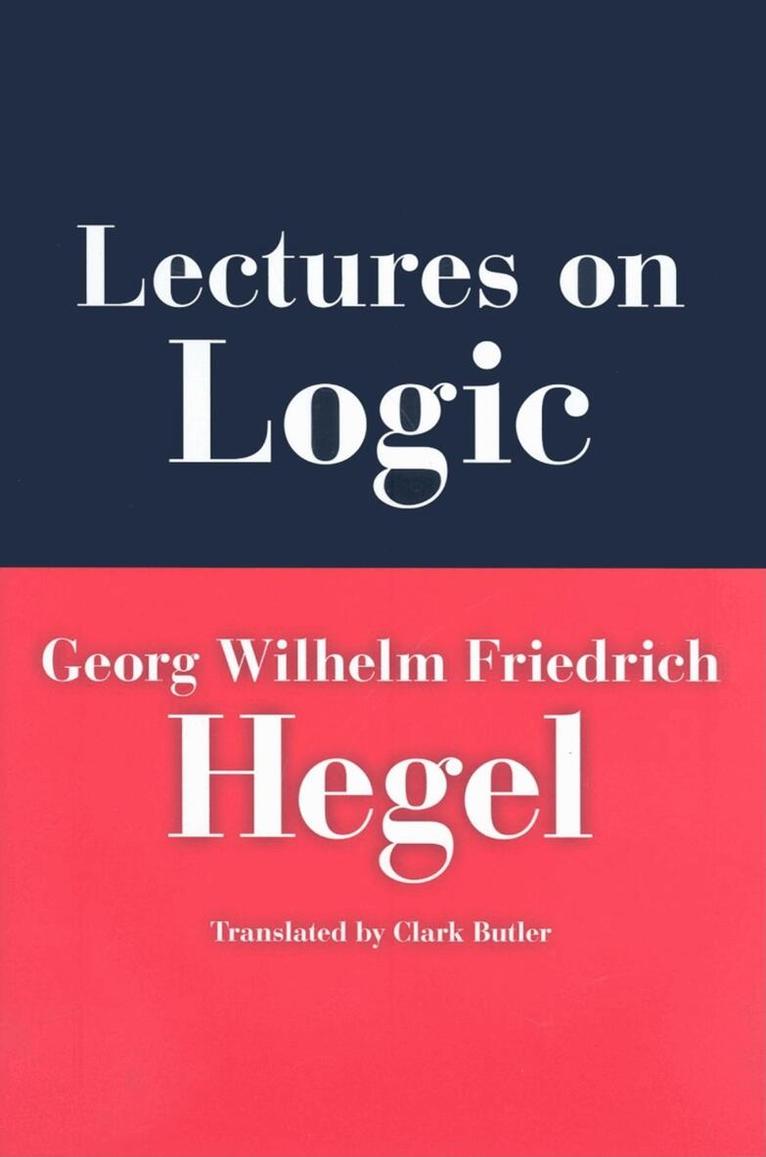
Georg Wilhelm Friedrich Hegel gave many lectures in logic at Berlin University between 1818 and his untimely death in 1831. Edited posthumously by Hegel's son, Karl, these lectures were published in German in 2001 and now appear in English for the first time. Because they were delivered orally, Lectures on Logic is more approachable and colloquial than much of Hegel's formal philosophy. The lectures provide important insight into Hegel's science of logic, dialectical method, and symbolic logic. Clark Butler's smooth translation helps readers understand the rationality of Hegel's often dark and difficult thought. Readers at all levels will find a mature and particularly clear presentation of Hegel's systematic philosophical vision.
Häftad, Engelska, 2011
320 kr
Skickas inom 5-8 vardagar
Häftad, Engelska, 2007
241 kr
Skickas inom 10-15 vardagar
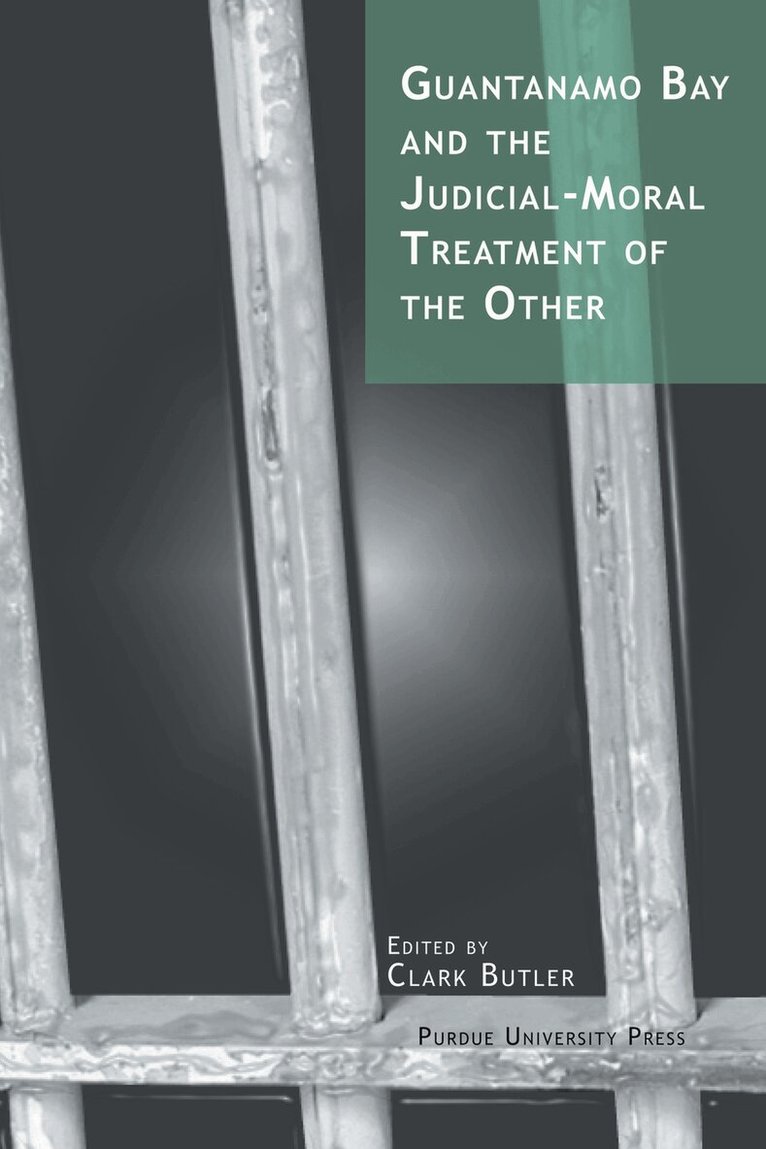
Neither journalistic nor sensationalistic eye-witness accounts, this is the first book of serious reflection on the moral background and issues of internal legality surrounding the events of Guantanamo Bay.
Häftad, Engelska, 2008
410 kr
Skickas inom 3-6 vardagar
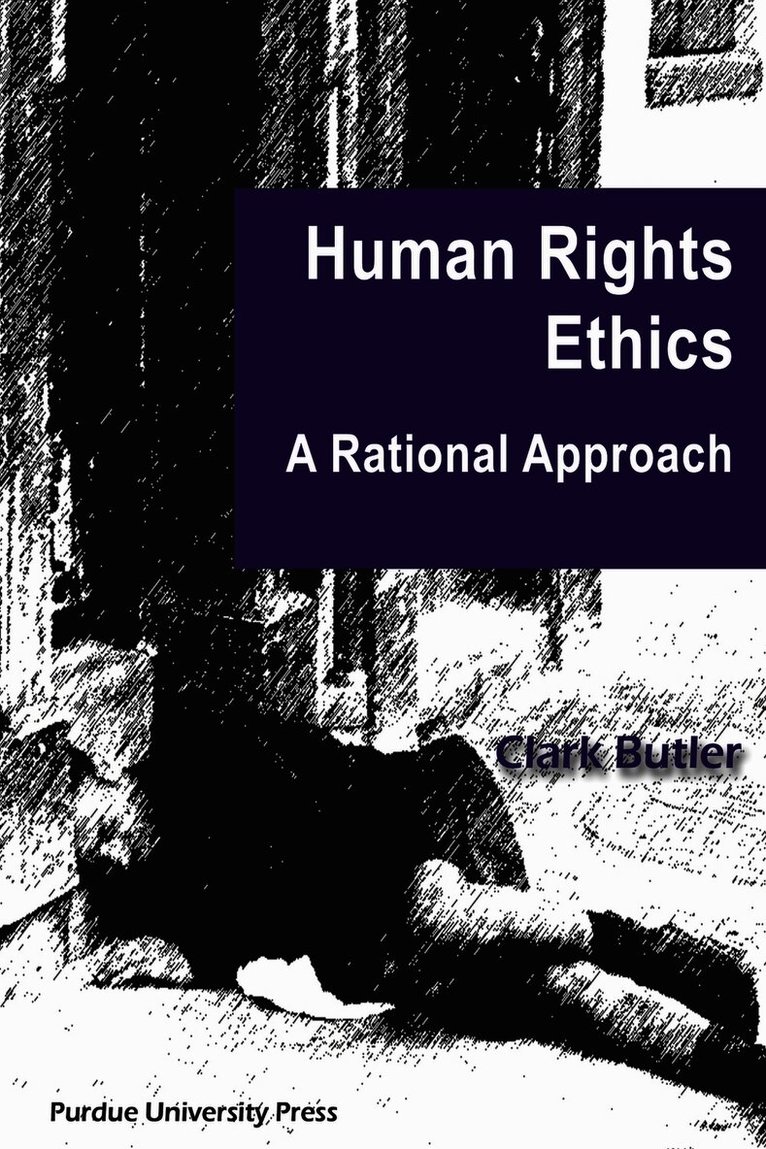
Human Rights Ethics makes an important contribution to contemporary philosophical and political debates concerning the advancement of global justice and human rights. Butler's book also lays claim to a significant place in both normative ethics and human rights studies in as much as it seeks to vindicate a universalistic, rational approach to human rights ethics. In the spirit of Hegel and Habermas. Butler proposes to vindicate a "totally rational account of human rights," but one that depends on a right to freedom of thought in its universal modes.
E-bok
PDF, Engelska, 2012239 kr
Läs direkt efter köp
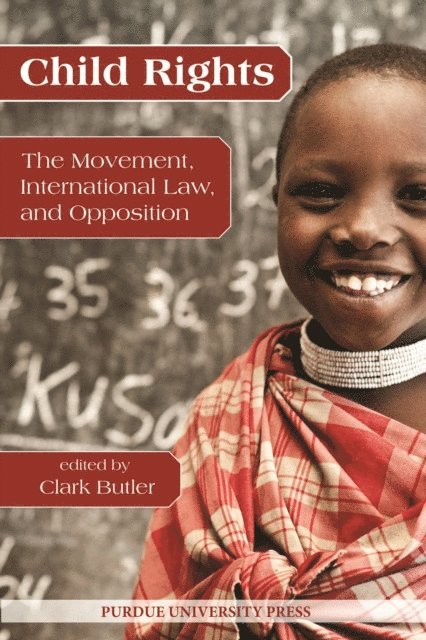
Over twenty years after the 1989 UN General Assembly vote to open the Convention on the Rights of the Child (CRC) for signature and ratification by UN member states, the United States remains one of only two UN members not to have ratified it. The other is Somalia. Child Rights: The Movement, International Law, and Opposition explores the reasons for this resistance. It details the objections that have arisen to accepting this legally binding international instrument, which presupposes indivisible universal civil, political, economic, social, and cultural rights, and gives children special protection due to their vulnerability. The resistance ranges from isolationist attitudes toward international law and concerns over the fiscal impact of implementation, to the value attached to education in a faith tradition and fears about the academic deterioration of public education. The contributors to the book reveal the significant positive influence that the CRC has had, despite not being ratified, on subjects such as educational research, child psychology, development ethics, normative ethics, and anthropology. The book also explores the growing homeschooling trend, which is often evangelically led in the US, but which is at loggerheads with an equally growing social science-based movement of experts and ethicists pressing for greater autonomy and freedom of expression for children. Looking beyond the US, the book also addresses some of the practical obstacles that have emerged to implementing the CRC in both developed countries (for example, Canada and the United Kingdom) and in poorer nations. This book, polemical and yet balanced, helps the reader evaluate both positive and the negative implications of this influential piece of international legislation from a variety of ethical, legal, and social science perspectives.
E-bok
PDF, Engelska, 20212 058 kr
Läs direkt efter köp
The purpose of this book is to advance responsible rehabilitation of the speculative philosophy of history. It challenges the idea popularized by thinkers such as and Claude Levi-Strauss and Jean-Francois Lyotard that historical meta-mythology and meta-narrative are philosophically obsolete. As long as humanity, viewed anthropologically, lives by over-arching narrative, the quest for a version that survives rational criticism remains vital. Here human rights serve as the key to unlock such a version. Despite the fact that the Hegelian philosophy of history has often been derided, something very similar currently functions as the official ideology of the world community: the idea of history as the story of freedom. This book does not retell the world-historical story of freedom. Rather, it uncovers it, beginning with the current age of human rights and working backward through the great role-model civilizations of history. Its conclusion is that a forward retelling of the story of freedom as the story of human rights can be justified by dewesternizing the story. The book contains critical responses from specialized scholars and re-presentative of selected world cultures. The volume includes illustrations, and a guest Afterword by Donald Phillip Verene. It is a companion-volume to the author's Hegel's Logic: Between History and Dialectic (North-western University Press, 1996).