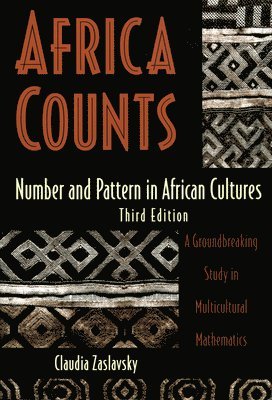
This fascinating study of mathematical thinking among sub-Saharan African peoples covers counting in words and in gestures; measuring time, distance, weight, and other quantities; manipulating money and keeping accounts; number systems; patterns in music, poetry, art, and architecture; and number magic and taboos. African games such as mankala and elaborate versions of tic-tac-toe show how complex this thinking can be. An invaluable resource for students, teachers, and others interested in African cultures and multiculturalism, this third edition is updated with an introduction covering two decades of new research in the ethnomathematics of Africa.
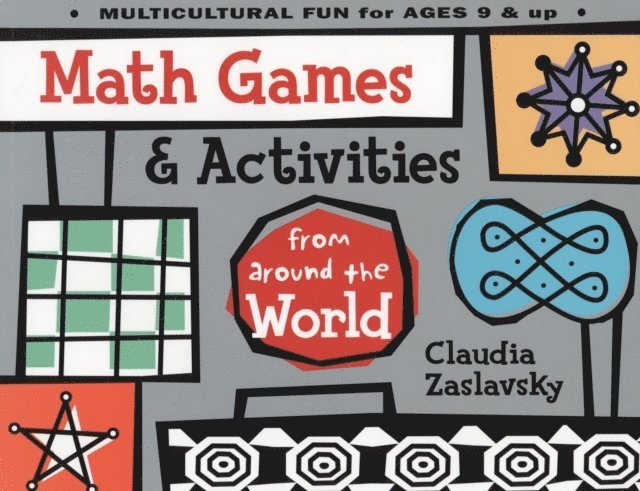
In this updated edition of classic a math resource, more than 80 games and activities help kids ages 8 and older go beyond just memorizing rules! They will instead learn to think critically about math and how numbers work. Group and individual games teach fun, useful ways to manipulate odd and even numbers, prime and composite numbers, common and decimal fractions, and factors, divisors and multiples of numbers. Counting, calculating and writing numbers in languages from other cultures, such as China and Egypt, provide more understanding of basic math systems. Riddles, puzzles, number tricks and calculator games are fun ways to boost estimating and computation skills for every math student.