Clemens Maier-Wolthausen – författare
755 kr
Läs direkt efter köp
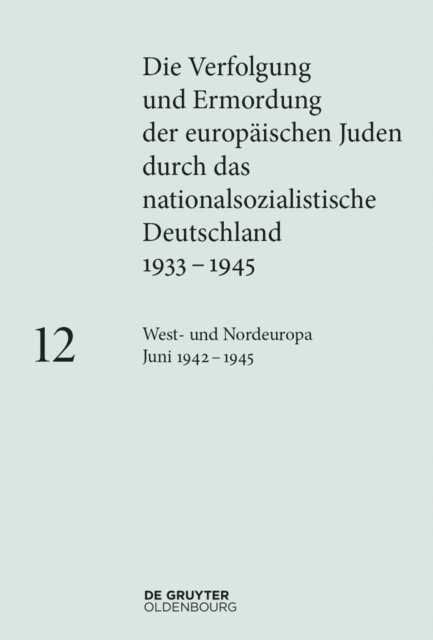
Im Sommer 1942 begannen die deutschen Besatzer mit der systematischen Deportation der Juden aus West- und Nordeuropa. Anfangs gaben sie vor, nur bestimmte Gruppen zum „Arbeitseinsatz“ heranziehen zu wollen und hofften, sich auf diese Weise die Mitarbeit der einheimischen Verwaltung in den besetzten Ländern zu sichern. Doch binnen weniger Monate wurden immer mehr Juden erfasst, verhaftet und in Sammellager gesperrt, um sie von dort aus zu deportieren. Im Lager Westerbork schilderte Bob Cahen, der selbst dort inhaftiert war, die Ankunft von 17.000 niederländischen Juden im Oktober 1942: „Die Menschen kamen hier an, gejagt wie Vieh, einige begraben unter ihrem Gepäck, andere ohne jeden Besitz, einige nicht einmal richtig gekleidet. Kranke Frauen, die man aus dem Bett geholt hatte, in dünnen Nachthemden, Kinder in Hemdhöschen und barfuß, alte Leute, Kranke, Gebrechliche – immer mehr neue Menschen kamen in das Lager.“
Auf der Basis der Edition realisiert der Bayerische Rundfunk die dokumentarische Höredition „Die Quellen sprechen“, die in Staffeln gesendet wird und unter www.die-quellen-sprechen.de nachzuhören ist.
Youtube-Link zur VEJ-Abschlusskonferenz: Westeuropa (Panel 3, 10. Mai 2023)
Vom 9. bis zum 11. Mai 2023 fand mit "Der Holocaust als europäisches Ereignis" die Abschlusskonferenz der Edition "Die Verfolgung und Ermordung der europäischen Juden durch das nationalsozialistische Deutschland 1933–1945" im Dokumentationszentrum Topographie des Terrors in Berlin statt.
777 kr
Läs direkt efter köp
Executive editors: Katja Happe, Barbara Lambauer, and Clemens Maier-Wolthausen, with Maja Peers; English-language edition prepared by: Elizabeth Harvey, Johannes Gamm, Georg Felix Harsch, Dorothy Mas, and Caroline Pearce
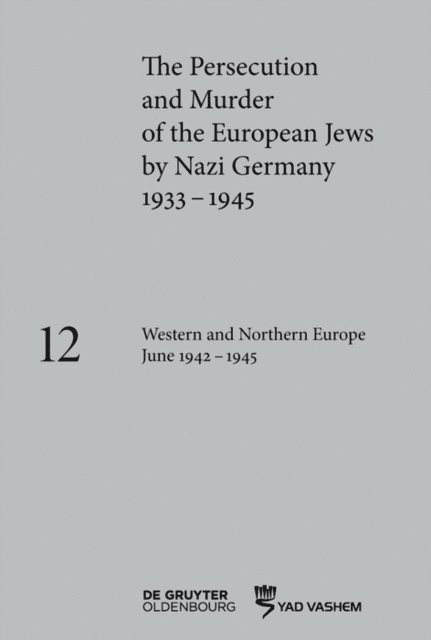
In summer 1942 the Germans escalated the systematic deportations of Jews from Western and Northern Europe to the extermination camps. In most of the countries under German control, the occupying forces initially focused on arresting foreign and stateless Jews, thereby securing the cooperation of local authorities. However, before long the entire Jewish population was targeted for deportation. This volume documents the parallels and differences in the persecution of Jews in occupied Norway, Denmark, the Netherlands, Belgium, Luxembourg and France in the period from summer 1942 to liberation; it records the implementation of the systematic deportation and murder of Jews from Western and Northern Europe, and it also records the rescue of more than 5,000 Danish Jews. In letters and diary entries the persecuted Jews describe their attempts to flee, life in hiding, the transit camps, and deportation transports that often took several days. In Westerbork camp in the occupied Netherlands, Bob Cahen, himself an inmate, recorded in his diary the arrival in the camp of 17,000 Jews from across the Netherlands in October 1942: ‘People arrived here herded like livestock. Some were buried beneath their luggage, others without any possessions at all, not even properly dressed. Women in poor health who had been hauled out of bed in thin nightgowns, children in undergarments and barefoot, the elderly, the ill, the infirm – more and more new people came to the camp.’ The sources in the volume show how the perpetrators attempted to dupe their victims regarding the destination of the transports, and how Jewish organizations attempted to alleviate the suffering of the deportees. The documents additionally illustrate how the resistance movement gained momentum during this period.
Learn more about the PMJ on https://pmj-documents.org/
777 kr
Läs direkt efter köp
Executive editors: Katja Happe, Barbara Lambauer, and Clemens Maier-Wolthausen, with Maja Peers; English-language edition prepared by: Elizabeth Harvey, Johannes Gamm, Georg Felix Harsch, Dorothy Mas, and Caroline Pearce
In summer 1942 the Germans escalated the systematic deportations of Jews from Western and Northern Europe to the extermination camps. In most of the countries under German control, the occupying forces initially focused on arresting foreign and stateless Jews, thereby securing the cooperation of local authorities. However, before long the entire Jewish population was targeted for deportation. This volume documents the parallels and differences in the persecution of Jews in occupied Norway, Denmark, the Netherlands, Belgium, Luxembourg and France in the period from summer 1942 to liberation; it records the implementation of the systematic deportation and murder of Jews from Western and Northern Europe, and it also records the rescue of more than 5,000 Danish Jews. In letters and diary entries the persecuted Jews describe their attempts to flee, life in hiding, the transit camps, and deportation transports that often took several days. In Westerbork camp in the occupied Netherlands, Bob Cahen, himself an inmate, recorded in his diary the arrival in the camp of 17,000 Jews from across the Netherlands in October 1942: ‘People arrived here herded like livestock. Some were buried beneath their luggage, others without any possessions at all, not even properly dressed. Women in poor health who had been hauled out of bed in thin nightgowns, children in undergarments and barefoot, the elderly, the ill, the infirm – more and more new people came to the camp.’ The sources in the volume show how the perpetrators attempted to dupe their victims regarding the destination of the transports, and how Jewish organizations attempted to alleviate the suffering of the deportees. The documents additionally illustrate how the resistance movement gained momentum during this period.
Learn more about the PMJ on https://pmj-documents.org/
728 kr
Läs direkt efter köp
Im Sommer 1942 begannen die deutschen Besatzer mit der systematischen Deportation der Juden aus West- und Nordeuropa. Anfangs gaben sie vor, nur bestimmte Gruppen zum „Arbeitseinsatz“ heranziehen zu wollen und hofften, sich auf diese Weise die Mitarbeit der einheimischen Verwaltung in den besetzten Ländern zu sichern. Doch binnen weniger Monate wurden immer mehr Juden erfasst, verhaftet und in Sammellager gesperrt, um sie von dort aus zu deportieren. Im Lager Westerbork schilderte Bob Cahen, der selbst dort inhaftiert war, die Ankunft von 17.000 niederländischen Juden im Oktober 1942: „Die Menschen kamen hier an, gejagt wie Vieh, einige begraben unter ihrem Gepäck, andere ohne jeden Besitz, einige nicht einmal richtig gekleidet. Kranke Frauen, die man aus dem Bett geholt hatte, in dünnen Nachthemden, Kinder in Hemdhöschen und barfuß, alte Leute, Kranke, Gebrechliche – immer mehr neue Menschen kamen in das Lager.“
Auf der Basis der Edition realisiert der Bayerische Rundfunk die dokumentarische Höredition „Die Quellen sprechen“, die in Staffeln gesendet wird und unter www.die-quellen-sprechen.de nachzuhören ist.
Youtube-Link zur VEJ-Abschlusskonferenz: Westeuropa (Panel 3, 10. Mai 2023)
Vom 9. bis zum 11. Mai 2023 fand mit "Der Holocaust als europäisches Ereignis" die Abschlusskonferenz der Edition "Die Verfolgung und Ermordung der europäischen Juden durch das nationalsozialistische Deutschland 1933–1945" im Dokumentationszentrum Topographie des Terrors in Berlin statt.
357 kr
Skickas inom 3-6 vardagar