Cliff Goddard – författare
670 kr
Läs direkt efter köp
670 kr
Läs direkt efter köp
584 kr
Läs direkt efter köp
709 kr
Skickas inom 7-10 vardagar
749 kr
Skickas inom 5-8 vardagar
1 312 kr
Skickas inom 7-10 vardagar
581 kr
Skickas inom 5-8 vardagar
1 483 kr
Skickas inom 5-8 vardagar
2 151 kr
Skickas inom 10-15 vardagar
643 kr
Skickas inom 10-15 vardagar
769 kr
Läs direkt efter köp
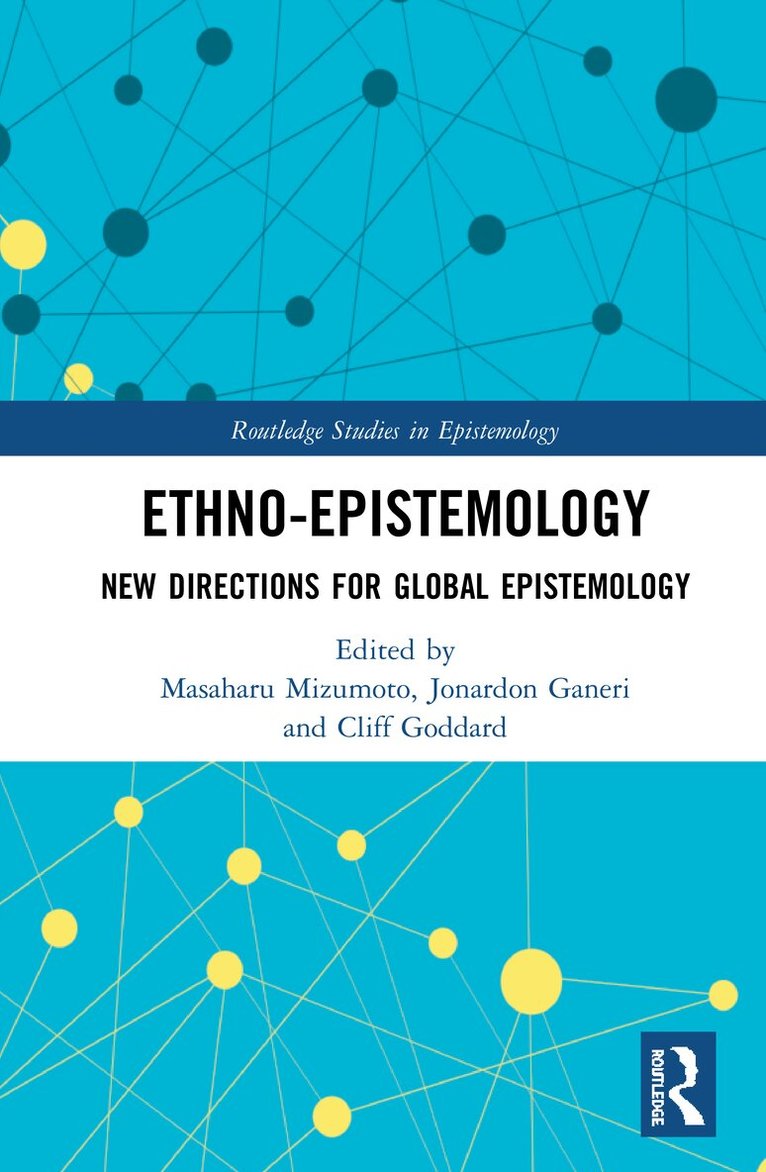
This volume features new perspectives on the implications of cross-linguistic and cultural diversity for epistemology. It brings together philosophers, linguists, and scholars working on knowledge traditions to advance work in epistemology that moves beyond the Anglophone sphere.
The first group of chapters provide evidence of cross-linguistic or cultural diversity relevant to epistemology and discuss its possible implications. These essays defend epistemic pluralism based on Sanskrit data as a commitment to pluralism about epistemic stances, analyze the use of two Japanese knowledge verbs in relation to knowledge how, explore the Confucian notion of justification, and surveys cultural differences about the testimonial knowledge. The second group of chapters defends "core monism"—which claims that despite the cross-linguistic diversity of knowledge verbs, there is certain core epistemological meaning shared by all languages—from both a Natural Semantic Metalanguage (NSM) and skeptical perspective. The third cluster of essays considers the implications of cultural diversity for epistemology based on anthropological studies. These chapters explore real disparities in folk epistemology across cultures. Finally, the last two chapters discuss methods or perspectives to unify epistemology despite and based on the diversity of folk intuitions and epistemological concepts.
Ethno-Epistemology is an essential resource for philosophers working in epistemology and comparative philosophy, as well as linguists and cultural anthropologists interested in the cultural-linguistic diversity of knowledge traditions.
769 kr
Läs direkt efter köp
This volume features new perspectives on the implications of cross-linguistic and cultural diversity for epistemology. It brings together philosophers, linguists, and scholars working on knowledge traditions to advance work in epistemology that moves beyond the Anglophone sphere.
The first group of chapters provide evidence of cross-linguistic or cultural diversity relevant to epistemology and discuss its possible implications. These essays defend epistemic pluralism based on Sanskrit data as a commitment to pluralism about epistemic stances, analyze the use of two Japanese knowledge verbs in relation to knowledge how, explore the Confucian notion of justification, and surveys cultural differences about the testimonial knowledge. The second group of chapters defends "core monism"—which claims that despite the cross-linguistic diversity of knowledge verbs, there is certain core epistemological meaning shared by all languages—from both a Natural Semantic Metalanguage (NSM) and skeptical perspective. The third cluster of essays considers the implications of cultural diversity for epistemology based on anthropological studies. These chapters explore real disparities in folk epistemology across cultures. Finally, the last two chapters discuss methods or perspectives to unify epistemology despite and based on the diversity of folk intuitions and epistemological concepts.
Ethno-Epistemology is an essential resource for philosophers working in epistemology and comparative philosophy, as well as linguists and cultural anthropologists interested in the cultural-linguistic diversity of knowledge traditions.
1 082 kr
Skickas inom 10-15 vardagar
1 367 kr
Läs direkt efter köp
This edited book explores the rising interest in minimal languages – radically simplified languages using cross-translatable words and grammar, fulfilling the widely-recognised need to use language which is clear, accessible and easy to translate. The authors draw on case studies from around the world to demonstrate how early adopters have been putting Minimal English, Minimal Finnish, and other minimal languages into action: in language teaching and learning, ‘easy language’ projects, agricultural development training, language revitalisation, intercultural education, paediatric assessment, and health messaging. As well as reporting how minimal languages are being put into service, the contributors explore how minimal languages can be adapted, localised and implemented differently for different purposes. Like its predecessor Minimal English for a Global World: Improved Communication Using Fewer Words (Palgrave Macmillan, 2018), the book will appeal to students and scholars of applied linguistics, language education and translation studies, as well as to professionals in any field where accessibility and translatability matter.
1 082 kr
Skickas inom 10-15 vardagar
1 778 kr
Skickas inom 10-15 vardagar
2 194 kr
Läs direkt efter köp
1 587 kr
Skickas inom 5-8 vardagar
1 452 kr
Läs direkt efter köp
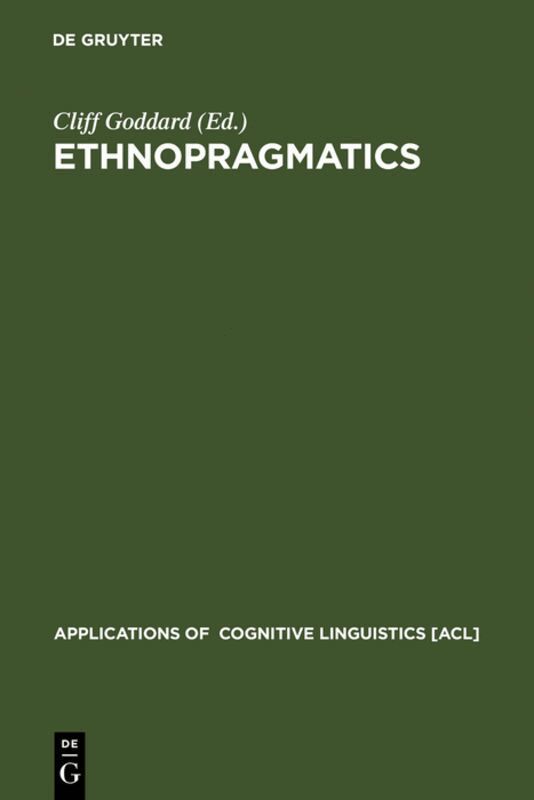
The studies in this volume show how speech practices can be understood from a culture-internal perspective, in terms of values, norms and beliefs of the speech communities concerned. Focusing on examples from many different cultural locations, the contributing authors ask not only: ''What is distinctive about these particular ways of speaking?'', but also: ''Why - from their own point of view - do the people concerned speak in these particular ways? What sense does it make to them?''.
The ethnopragmatic approach stands in opposition to the culture-external universalist pragmatics represented by neo-Gricean pragmatics and politeness theory. Using "cultural scripts" and semantic explications - techniques developed over 20 years work in cross-cultural semantics by Anna Wierzbicka and colleagues - the authors examine a wide range of phenomena, including: speech acts, terms of address, phraseological patterns, jocular irony, facial expressions, interactional routines, discourse particles, expressive derivation, and emotionality. The authors and languages are: Anna Wierzbicka (English), Cliff Goddard (Australian English), Jock Wong (Singapore English), Zhengdao Ye (Chinese), Catherine Travis (Colombian Spanish), Rie Hasada (Japanese) and Felix Ameka (Ewe). Taken together, these studies demonstrate both the profound "cultural shaping" of speech practices, and the power and subtlety of new methods and techniques of a semantically grounded ethnopragmatics.
The book will appeal not only to linguists and anthropologists, but to all scholars and students with an interest in language, communication and culture.
1 335 kr
Skickas inom 10-15 vardagar
1 722 kr
Läs direkt efter köp
1 335 kr
Skickas inom 10-15 vardagar
Ten Lectures on Natural Semantic MetaLanguage
Exploring language, thought and culture using simple, translatable words
1 738 kr
Skickas inom 5-8 vardagar
1 789 kr
Läs direkt efter köp