Clive Glaser - Böcker
Visar alla böcker från författaren Clive Glaser. Handla med fri frakt och snabb leverans.
2 produkter
2 produkter
214 kr
Skickas inom 10-15 vardagar
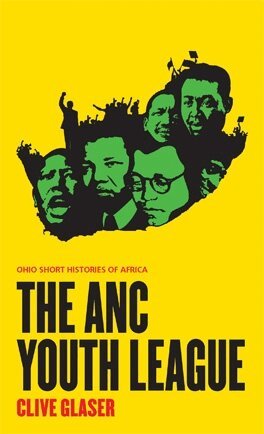
This brilliant little book tells the story of the African National Congress (ANC) Youth League from its origins in the 1940s to the present and the controversies over Julius Malema and his influence in contemporary youth politics. Glaser analyzes the ideology and tactics of its founders, some of whom (notably Nelson Mandela and Oliver Tambo) later became iconic figures in South African history as well as inspirational figures such as A. P. Mda (father of author Zakes Mda) and Anton Lembede. It shows how the early Youth League gave birth not only to the modern ANC but also to its rival, the Pan Africanist Congress. Dormant for many years, the Youth League reemerged in the transition era under the leadership of Peter Mokaba—infused with the tradition of the militant youth politics of the 1980s. Throughout its history the Youth League has tried to "dynamize" and criticize the ANC from within, while remaining devoted to the mother body and struggling to find a balance between loyalty and rebellion.
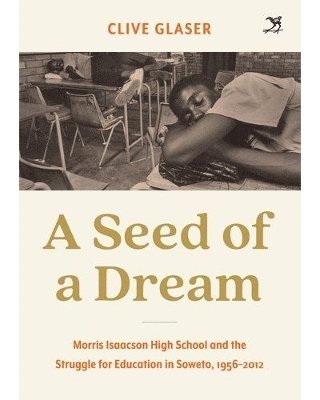
Seed of a Dream
Morris Isaacson High School and the Struggle for Education in Soweto, 1956-2012
Häftad, Engelska, 2024
223 kr
Kommande
Morris Isaacson High School (MIHS) in Jabavu is widely known as the epicentre of the 1976 Soweto uprising. However, its legacy extends far beyond this singular event. This book delves into the rich, untold story of MIHS, revealing its profound impact on secondary education in Soweto. While the 1976 uprising cemented MIHS's place in history, this book argues that its true significance lies in its unwavering commitment to quality education during a tumultuous period. Located in the heart of Soweto, MIHS faced immense challenges - poverty, a repressive education system (Bantu Education) and political unrest. Yet, it defied the odds, nurturing generations of successful professionals throughout the 1960s and 1970s. The book tackles two central questions: how did MIHS flourish under Bantu Education, and why did its performance not reach its full potential in the democratic era? By examining the interplay between dedicated leadership, a strong alumni network and shifting socio-economic realities, the book sheds light on these complex issues. Drawing on extensive interviews with alumni, teachers and historical records, the book weaves a captivating narrative. It unveils the perspectives of those who shaped MIHS's legacy, giving voice to the struggles and triumphs of a remarkable institution.This book is not just about MIHS; it is a testament to the enduring power of education in the fight for social justice. MIHS's story serves as an inspiration, demonstrating the transformative potential of education, even under the most challenging circumstances.