
Colin Storer – författare
Visar alla böcker från författaren . Handla med fri frakt och snabb leverans.
7 produkter
7 produkter
E-bok
PDF, Engelska, 2010530 kr
Läs direkt efter köp
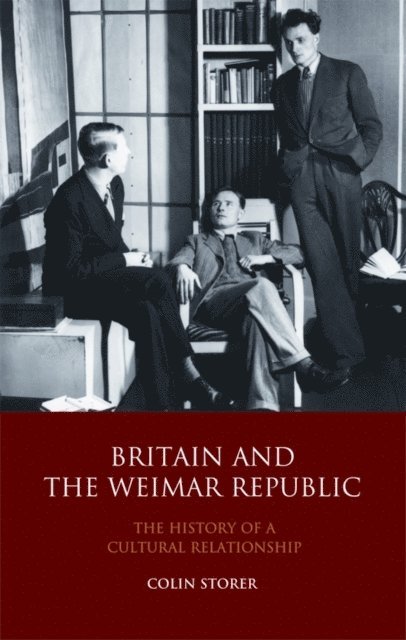
Between the two world wars, Germany managed - despite all the political upheavals it was experiencing - to attract extremely large numbers of British travellers and tourists. During the Weimar period in particular, Germany attracted visitors from virtually every section of British society. In this book, Colin Storer moves beyond the traditional scholarly focus on figures such as Christopher Isherwood and John Maynard Keynes to provide the first broad comparative study of British intellectual attitudes towards Weimar Germany. Based on original research and using striking examples from intellectual life and literature it highlights the diversity of British attitudes, challenges received opinions on areas such as the 'inevitable collapse' of the Republic, and seeks to establish why Weimar Germany was so appealing to such a variety of individuals.
Häftad, Engelska, 2020
492 kr
Skickas inom 10-15 vardagar
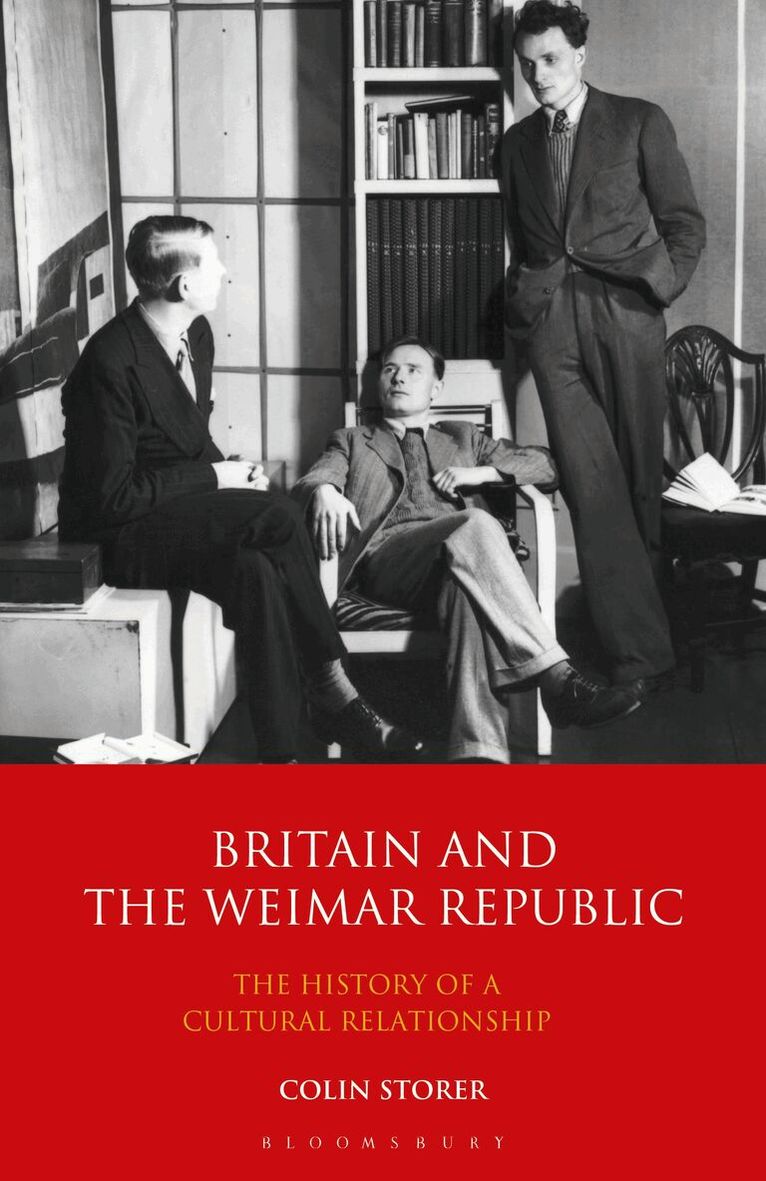
Between the two world wars, Germany managed, despite all the political upheavals it was experiencing, to attract extremely large numbers of British travellers and tourists. During the Weimar period in particular, Germany attracted visitors from virtually every section of British society.Based on original research and using striking examples from intellectual life and literature, Colin Storer moves beyond the traditional scholarly focus on figures such as Christopher Isherwood and John Maynard Keynes to provide the first broad comparative study of British intellectual attitudes towards Weimar Germany. This book highlights the diversity of British attitudes, challenges received opinions on areas such as the 'inevitable collapse' of the Republic, and seeks to establish why Weimar Germany was so appealing to such a variety of individuals.
Inbunden, Engelska, 2024
721 kr
Skickas inom 10-15 vardagar
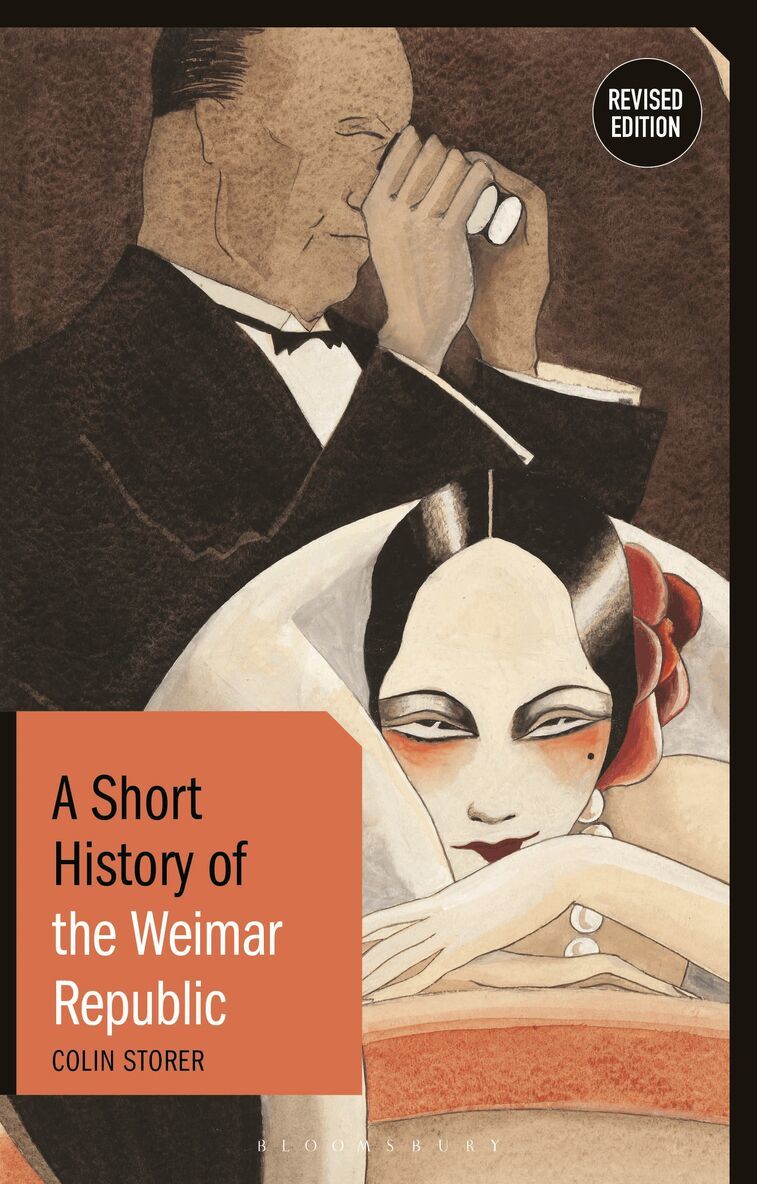
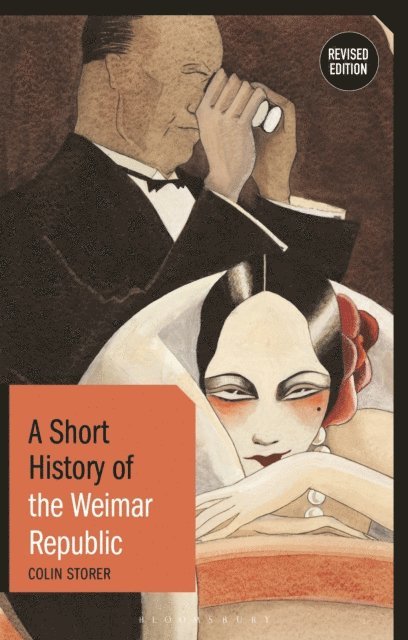
It is impossible to understand the history of modern Europe without some knowledge of the Weimar Republic. The brief fourteen-year period of democracy between the Treaty of Versailles and the advent of the Third Reich was marked by unstable government, economic crisis and hyperinflation and the rise of extremist political movements. At the same time, however, a vibrant cultural scene flourished, which continues to influence the international art world through the aesthetics of Expressionism and the Bauhaus movement. In the fields of art, literature, theatre, cinema, music and architecture – not to mention science – Germany became a world leader during the 1920s, while her perilous political and economic position ensured that no US or European statesman could afford to ignore her. Incorporating original research and a synthesis of the existing historiography, this revised edition will provide students and a general readership with a clear and concise introduction to the history of the first German Republic.
Häftad, Engelska, 2024
232 kr
Skickas inom 5-8 vardagar
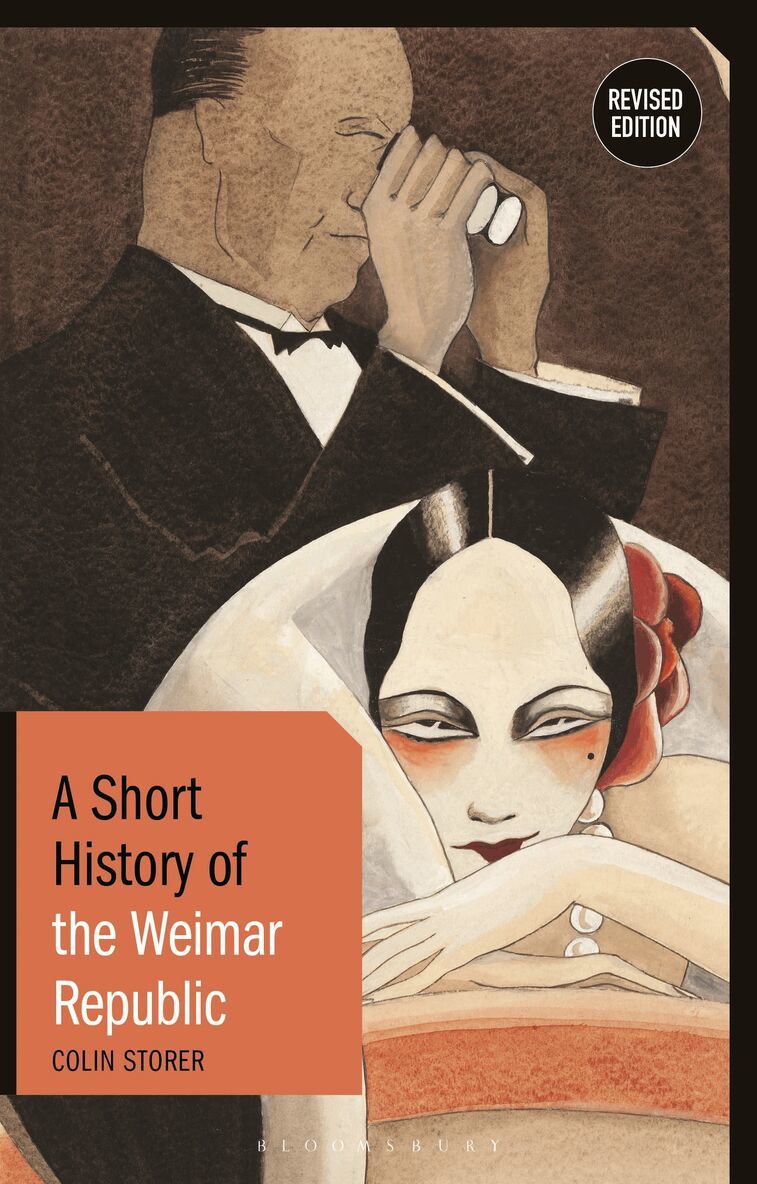
It is impossible to understand the history of modern Europe without some knowledge of the Weimar Republic. The brief fourteen-year period of democracy between the Treaty of Versailles and the advent of the Third Reich was marked by unstable government, economic crisis and hyperinflation and the rise of extremist political movements. At the same time, however, a vibrant cultural scene flourished, which continues to influence the international art world through the aesthetics of Expressionism and the Bauhaus movement. In the fields of art, literature, theatre, cinema, music and architecture – not to mention science – Germany became a world leader during the 1920s, while her perilous political and economic position ensured that no US or European statesman could afford to ignore her. Incorporating original research and a synthesis of the existing historiography, this revised edition will provide students and a general readership with a clear and concise introduction to the history of the first German Republic.
E-bok
Engelska, 2024250 kr
Läs direkt efter köp
It is impossible to understand the history of modern Europe without some knowledge of the Weimar Republic. The brief fourteen-year period of democracy between the Treaty of Versailles and the advent of the Third Reich was marked by unstable government, economic crisis and hyperinflation and the rise of extremist political movements. At the same time, however, a vibrant cultural scene flourished, which continues to influence the international art world through the aesthetics of Expressionism and the Bauhaus movement. In the fields of art, literature, theatre, cinema, music and architecture – not to mention science – Germany became a world leader during the 1920s, while her perilous political and economic position ensured that no US or European statesman could afford to ignore her. Incorporating original research and a synthesis of the existing historiography, this revised edition will provide students and a general readership with a clear and concise introduction to the history of the first German Republic.
E-bok
PDF, Engelska, 2024250 kr
Läs direkt efter köp
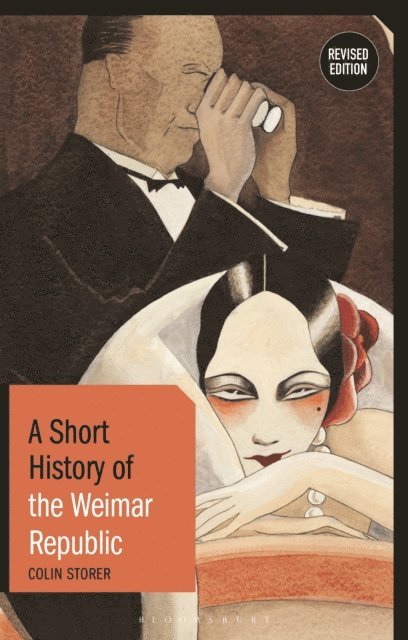
It is impossible to understand the history of modern Europe without some knowledge of the Weimar Republic. The brief fourteen-year period of democracy between the Treaty of Versailles and the advent of the Third Reich was marked by unstable government, economic crisis and hyperinflation and the rise of extremist political movements. At the same time, however, a vibrant cultural scene flourished, which continues to influence the international art world through the aesthetics of Expressionism and the Bauhaus movement. In the fields of art, literature, theatre, cinema, music and architecture – not to mention science – Germany became a world leader during the 1920s, while her perilous political and economic position ensured that no US or European statesman could afford to ignore her. Incorporating original research and a synthesis of the existing historiography, this revised edition will provide students and a general readership with a clear and concise introduction to the history of the first German Republic.
Inbunden, Engelska, 2010
1 863 kr
Skickas inom 10-15 vardagar
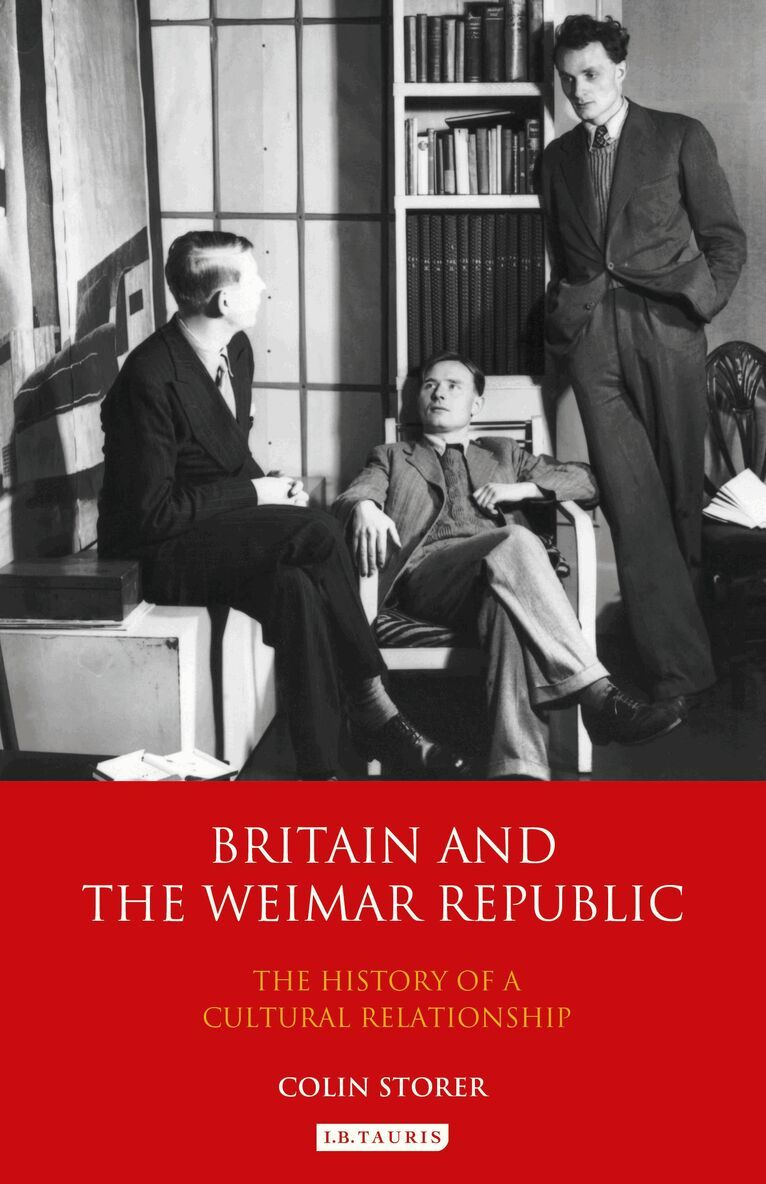
Between the two world wars, Germany managed - despite all the political upheavals it was experiencing - to attract extremely large numbers of British travellers and tourists. During the Weimar period in particular, Germany attracted visitors from virtually every section of British society. In this book, Colin Storer moves beyond the traditional scholarly focus on figures such as Christopher Isherwood and John Maynard Keynes to provide the first broad comparative study of British intellectual attitudes towards Weimar Germany. Based on original research and using striking examples from intellectual life and literature it highlights the diversity of British attitudes, challenges received opinions on areas such as the 'inevitable collapse' of the Republic, and seeks to establish why Weimar Germany was so appealing to such a variety of individuals.