Constantin A. Rebeiz - Böcker
Visar alla böcker från författaren Constantin A. Rebeiz. Handla med fri frakt och snabb leverans.
4 produkter
4 produkter
2 101 kr
Skickas inom 10-15 vardagar
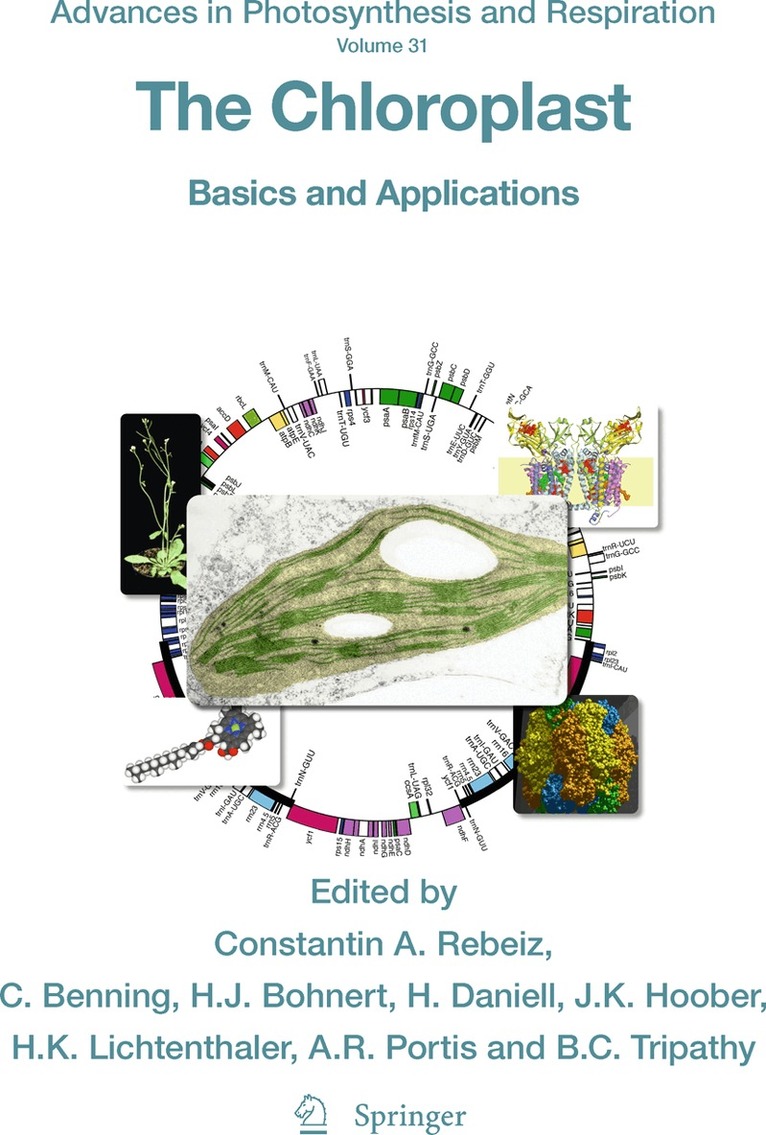
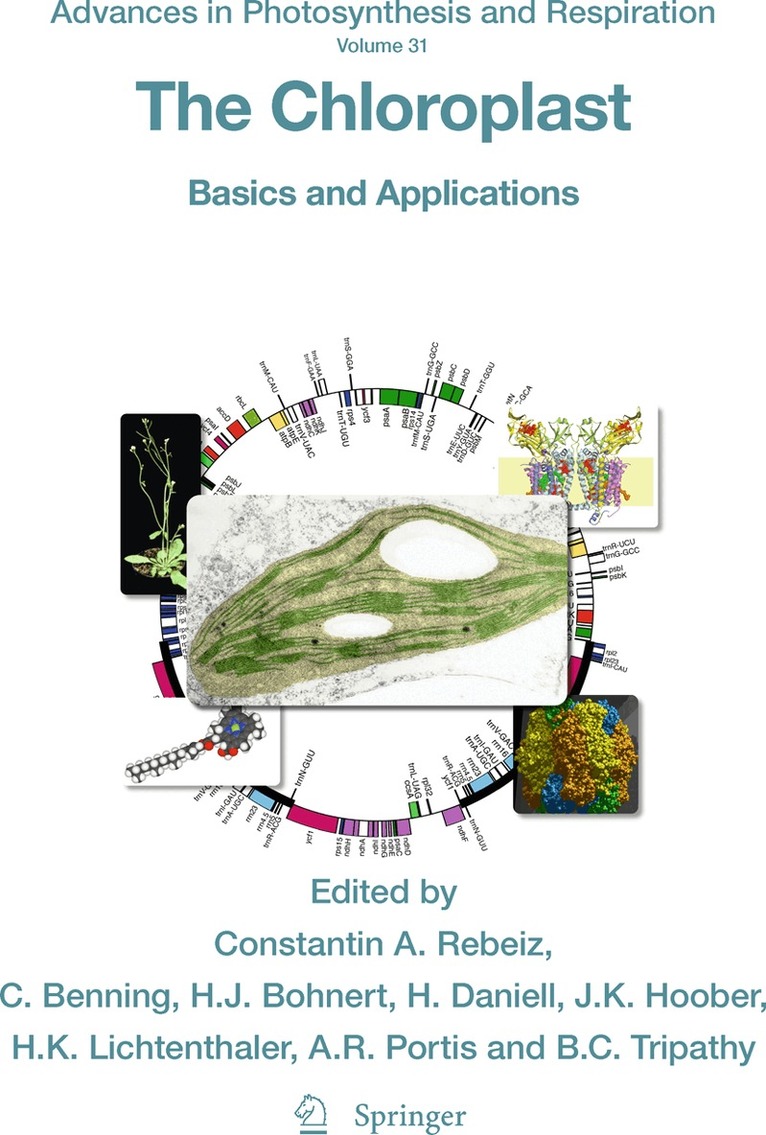
As the industrial revolution that has been based on by higher photosynthetic efficiencies and more utilization of fossil fuels nears its end [R. A. Ker biomass production per unit area. (2007) Even oil optimists expect energy demand to According to Times Magazine (April 30, 2007 outstrip supply. Science 317: 437], the next indus- issue), one fifth of the US corn crop is presently trial revolution will most likely need development converted into ethanol, which is considered to burn of alternate sources of clean energy. In addition cleaner than gasoline and to produce less gre- to the development of hydroelectric power, these house gases. In order to meet a target of 35 billion efforts will probably include the conversion of gallons of ethanol produced by the year 2017, the wind, sea wave motion and solar energy [Solar Day entire US corn crop would need to be turned into in the Sun (2007) Business week, October 15, pp fuel. But crops such as corn and sugarcane cannot 69–76] into electrical energy. The most promising yield enough to produce all the needed fuel. F- of those will probably be based on the full usage thermore, even if all available starch is converted of solar energy. The latter is likely to be plenti- into fuel, it would only produce about 10% of ful for the next 2–3 billion years. Most probably, our gasoline needs [R. F.
2 101 kr
Skickas inom 10-15 vardagar
As the industrial revolution that has been based on by higher photosynthetic efficiencies and more utilization of fossil fuels nears its end [R. A. Ker biomass production per unit area. (2007) Even oil optimists expect energy demand to According to Times Magazine (April 30, 2007 outstrip supply. Science 317: 437], the next indus- issue), one fifth of the US corn crop is presently trial revolution will most likely need development converted into ethanol, which is considered to burn of alternate sources of clean energy. In addition cleaner than gasoline and to produce less gre- to the development of hydroelectric power, these house gases. In order to meet a target of 35 billion efforts will probably include the conversion of gallons of ethanol produced by the year 2017, the wind, sea wave motion and solar energy [Solar Day entire US corn crop would need to be turned into in the Sun (2007) Business week, October 15, pp fuel. But crops such as corn and sugarcane cannot 69–76] into electrical energy. The most promising yield enough to produce all the needed fuel. F- of those will probably be based on the full usage thermore, even if all available starch is converted of solar energy. The latter is likely to be plenti- into fuel, it would only produce about 10% of ful for the next 2–3 billion years. Most probably, our gasoline needs [R. F.
1 578 kr
Skickas inom 10-15 vardagar
Heme and chlorophyll (Chl) are porphyrins. Porphyrins (also referred to as tetrapyrroles) are essential for life in the biosphere. Chlorophyll catalyzes the conversion of solar energy to chemical energy via the process of photosynthesis. Organic life in the biosphere is made possible by consumption of the chemical energy generated by photosynthesis. Hemes are the prosthetic groups of cytochromes which are involved in electron transport during oxidative phosphorylation and photosynthetic phosphorylation which generate ATP and NADPH. The latter are essential for many cellular functions. Chlorophyll on the other hands catalyzes the process of photosynthesis. Indeed, life in the biosphere depends on the process of photosynthesis which converts light energy, carbon dioxide and water into the chemical energy, required for the formation of food and fiber. Photosynthetic efficiency is controlled by extrinsic factors such as the availability of water, CO2, inorganic nutrients, ambient temperature and the metabolic and developmental state of the plant, as well as by intrinsic factors (Lien and San Pietro, 1975). The most important intrinsic factor is the efficiency of the photosynthetic electron transport system (PETS).Conventional agriculture is one of the few human activities that have not undergone a revolution to join other activities such as overcoming gravity by flying, and landing on the moon, crossing underwater the polar cap, and communicating wirelessly over long distances via electromagnetic waves. We now feel that enough biochemical and molecular biological knowledge has accumulated to render this dream amenable to experimentation. We believe that the time has come to bioengineer chloroplasts capable of synthesizing a short chain carbohydrate such as glycerol at rates that approach the upper theoretical limits of photosynthesis [Rebeiz, C. A. (2010) Investigations of possible relationships between the chlorophyll biosynthetic pathway and the assembly of chlorophyll-protein complexes and photosynthetic efficiency. In: Rebeiz, C. A. Benning, C., Bohnert, H.J., Daniell, H., Hoober J. K., Lichtenthaler, H. K., Portis , A. R., and Tripathy, B. C. eds. The chloroplast: Basics and Applications. Springer. The Netherlands, p 1-24]. In order to achieve this goal a thorough knowledge of the Chl biosynthetic pathway is needed along with knowledge in other domains (Rebeiz 2010). In this context, this monograph is devoted to an in depth discussion of our present knowledge of the Chl biosynthetic pathway. The complexity and biochemical heterogeneity of the Chl biosynthetic pathway and the relationship of this complexity to the structural and biosynthetic complexity of photosynthetic membranes will be emphasized. We will also emphasize in historical perspective, key stages in our understanding of the Chl biosynthetic heterogeneity. The reader should keep in mind that a complex biosynthetic process is only fully understood when it becomes possible to reconstitute in vitro every step of the process. We are not yet at this stage of understanding of thylakoid membrane biogenesis. Considerable progress has been achieved however, in the understanding of numerous facets of the Chl biosynthetic pathway, namely (a) detection and identification of various major and minor metabolic intermediates (b) precursor-product relationships between various intermediates, (c) structure and regulation of many enzymes of the pathway, and (d) the relationship of the Chl biosynthetic heterogeneity to the structural and functional heterogeneity of thylakoid membranes.In addition topics related to the development of Analytical techniques, Cell-free systems, Herbicides, Insecticides, and Cancericides are also discussed.
1 578 kr
Skickas inom 10-15 vardagar
Heme and chlorophyll (Chl) are porphyrins. Porphyrins (also referred to as tetrapyrroles) are essential for life in the biosphere. Chlorophyll catalyzes the conversion of solar energy to chemical energy via the process of photosynthesis. Organic life in the biosphere is made possible by consumption of the chemical energy generated by photosynthesis. Hemes are the prosthetic groups of cytochromes which are involved in electron transport during oxidative phosphorylation and photosynthetic phosphorylation which generate ATP and NADPH. The latter are essential for many cellular functions. Chlorophyll on the other hands catalyzes the process of photosynthesis. Indeed, life in the biosphere depends on the process of photosynthesis which converts light energy, carbon dioxide and water into the chemical energy, required for the formation of food and fiber. Photosynthetic efficiency is controlled by extrinsic factors such as the availability of water, CO2, inorganic nutrients, ambient temperature and the metabolic and developmental state of the plant, as well as by intrinsic factors (Lien and San Pietro, 1975). The most important intrinsic factor is the efficiency of the photosynthetic electron transport system (PETS).Conventional agriculture is one of the few human activities that have not undergone a revolution to join other activities such as overcoming gravity by flying, and landing on the moon, crossing underwater the polar cap, and communicating wirelessly over long distances via electromagnetic waves. We now feel that enough biochemical and molecular biological knowledge has accumulated to render this dream amenable to experimentation. We believe that the time has come to bioengineer chloroplasts capable of synthesizing a short chain carbohydrate such as glycerol at rates that approach the upper theoretical limits of photosynthesis [Rebeiz, C. A. (2010) Investigations of possible relationships between the chlorophyll biosynthetic pathway and the assembly of chlorophyll-protein complexes and photosynthetic efficiency. In: Rebeiz, C. A. Benning, C., Bohnert, H.J., Daniell, H., Hoober J. K., Lichtenthaler, H. K., Portis , A. R., and Tripathy, B. C. eds. The chloroplast: Basics and Applications. Springer. The Netherlands, p 1-24]. In order to achieve this goal a thorough knowledge of the Chl biosynthetic pathway is needed along with knowledge in other domains (Rebeiz 2010). In this context, this monograph is devoted to an in depth discussion of our present knowledge of the Chl biosynthetic pathway. The complexity and biochemical heterogeneity of the Chl biosynthetic pathway and the relationship of this complexity to the structural and biosynthetic complexity of photosynthetic membranes will be emphasized. We will also emphasize in historical perspective, key stages in our understanding of the Chl biosynthetic heterogeneity. The reader should keep in mind that a complex biosynthetic process is only fully understood when it becomes possible to reconstitute in vitro every step of the process. We are not yet at this stage of understanding of thylakoid membrane biogenesis. Considerable progress has been achieved however, in the understanding of numerous facets of the Chl biosynthetic pathway, namely (a) detection and identification of various major and minor metabolic intermediates (b) precursor-product relationships between various intermediates, (c) structure and regulation of many enzymes of the pathway, and (d) the relationship of the Chl biosynthetic heterogeneity to the structural and functional heterogeneity of thylakoid membranes.In addition topics related to the development of Analytical techniques, Cell-free systems, Herbicides, Insecticides, and Cancericides are also discussed.