Constantin Bona – författare
Visar alla böcker från författaren Constantin Bona. Handla med fri frakt och snabb leverans.
4 produkter
4 produkter
E-bok
PDF, Engelska, 2012692 kr
Läs direkt efter köp
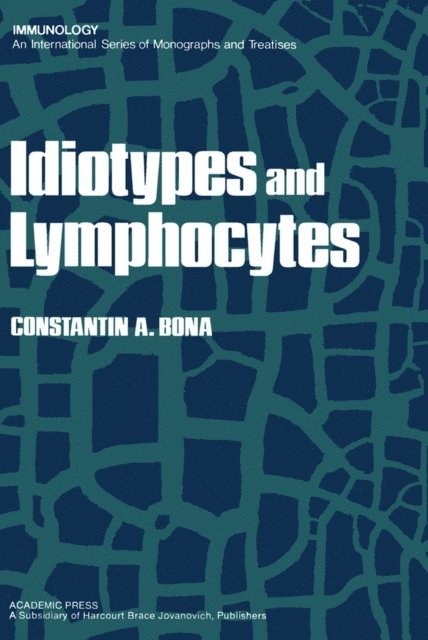
Idiotypes and Lymphocytes reviews the progress made in the study of the idiotypes of lymphocytes, particularly the discovery that a vast spectrum of possible relationships between cells and antibodies and communications between various subsets of T- and B-lymphocytes exist within the immune system. The book explores autoanti-idiotype antibodies and the antigen-mimicking properties of anti-idiotype antibodies, along with the idiotypic determinants borne by the lymphocyte''s receptor that serve as regulatory sites. Organized into seven chapters, this volume begins with an overview of idiotypy, from its discovery to the localization of idiotypic determinants in the variable regions. This book also explains how idiotypic specificity is associated with a particular antigenic specificity of the antibody molecule, the diversity of antibodies, and the regulation of the immune response. The next chapters introduce the reader to the ontogeny of idiotypic expression, touching on topics such as the development of B cells and sequential activation of V genes, along with the variability of idiotypic specificities during immune response. The book also explores the expression of idiotypes in B-lymphocytes and of idiotypic determinants of humoral antibodies in the antigenic receptors of T cells, as well as the mechanisms that allow anti-idiotype antibodies to regulate lymphocyte functions. The final chapter looks into the therapeutic implications of the immune network, with emphasis on the effects of anti-idiotypes antibodies in autoimmune diseases. This book is an essential reading for immunologists.
Inbunden, Engelska, 2004
1 681 kr
Skickas inom 10-15 vardagar
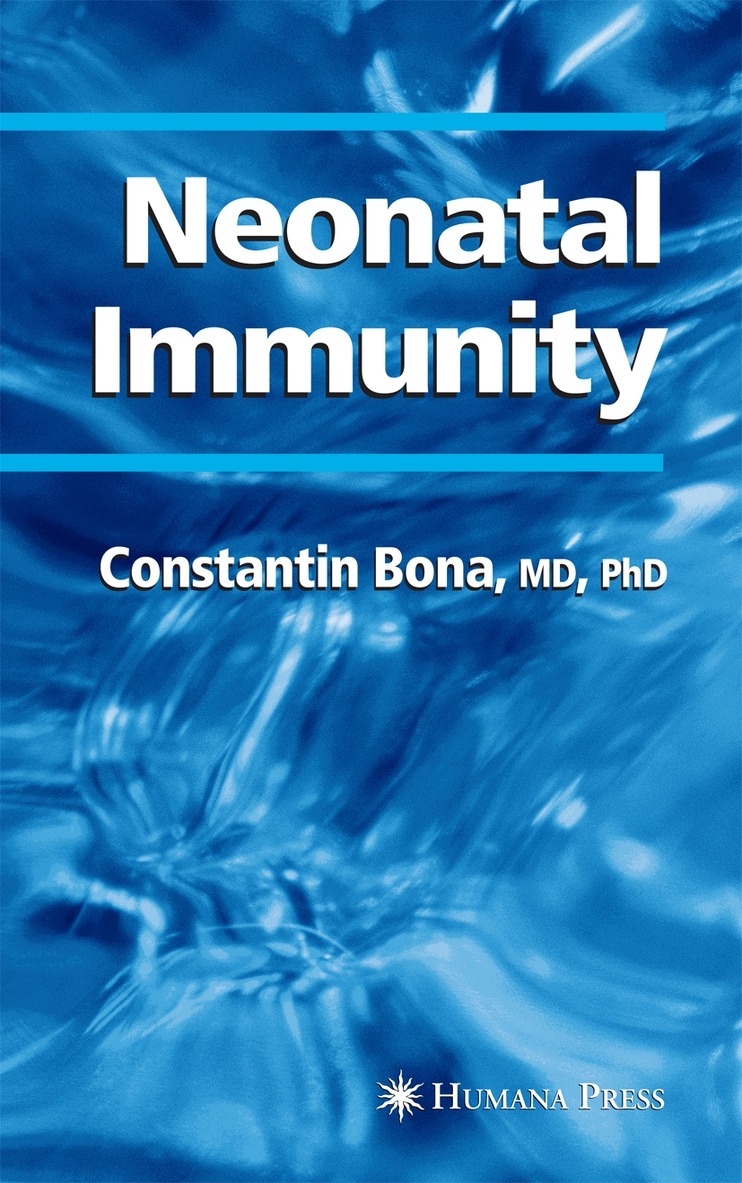
A critical review of the classic, as wells as most recent-and quite seminal-findings concerning the phenotypic and molecular characteristics of both fetal and neonatal B and T cells, the cells that mediate antibody and cellular immune responses in newborns and infants. Dr. Bona shows how the antibody response of neonates is modulated by maternal antibodies and how, in certain cases, this can cause transient or life-threatening neonatal autoimmune disease. He also describes the characteristics of neonatal tolerance induced by foreign allo- and self-antigens, which are the basis for understanding impaired infant immune response and which provide a rationale for the development of efficient neonatal vaccines. By making clear the characteristics and differences between the immune system and the immune responses of both newborns and infants, compared to those of adults, Dr. Bona offers insights and challenging hypotheses that promise to help overcome the poor responses of neonates to various antigens.
E-bok
PDF, Engelska, 20072 054 kr
Läs direkt efter köp
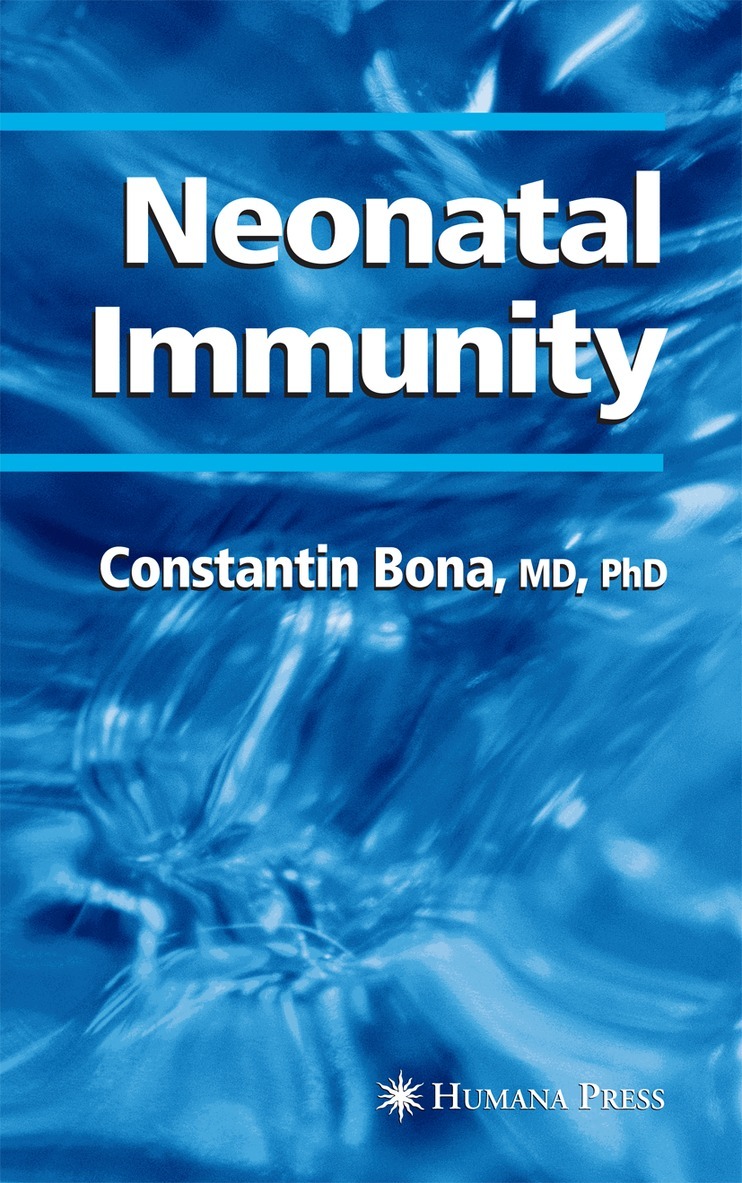
A critical review of the classic, as wells as most recent-and quite seminal-findings concerning the phenotypic and molecular characteristics of both fetal and neonatal B and T cells, the cells that mediate antibody and cellular immune responses in newborns and infants. Dr. Bona shows how the antibody response of neonates is modulated by maternal antibodies and how, in certain cases, this can cause transient or life-threatening neonatal autoimmune disease. He also describes the characteristics of neonatal tolerance induced by foreign allo- and self-antigens, which are the basis for understanding impaired infant immune response and which provide a rationale for the development of efficient neonatal vaccines. By making clear the characteristics and differences between the immune system and the immune responses of both newborns and infants, compared to those of adults, Dr. Bona offers insights and challenging hypotheses that promise to help overcome the poor responses of neonates to various antigens.
Häftad, Engelska, 2010
1 681 kr
Skickas inom 10-15 vardagar
A critical review of the classic, as wells as most recent-and quite seminal-findings concerning the phenotypic and molecular characteristics of both fetal and neonatal B and T cells, the cells that mediate antibody and cellular immune responses in newborns and infants. Dr. Bona shows how the antibody response of neonates is modulated by maternal antibodies and how, in certain cases, this can cause transient or life-threatening neonatal autoimmune disease. He also describes the characteristics of neonatal tolerance induced by foreign allo- and self-antigens, which are the basis for understanding impaired infant immune response and which provide a rationale for the development of efficient neonatal vaccines. By making clear the characteristics and differences between the immune system and the immune responses of both newborns and infants, compared to those of adults, Dr. Bona offers insights and challenging hypotheses that promise to help overcome the poor responses of neonates to various antigens.