Craig Morris – författare
Visar alla böcker från författaren Craig Morris. Handla med fri frakt och snabb leverans.
6 produkter
6 produkter
Häftad, Engelska, 2017
165 kr
Skickas
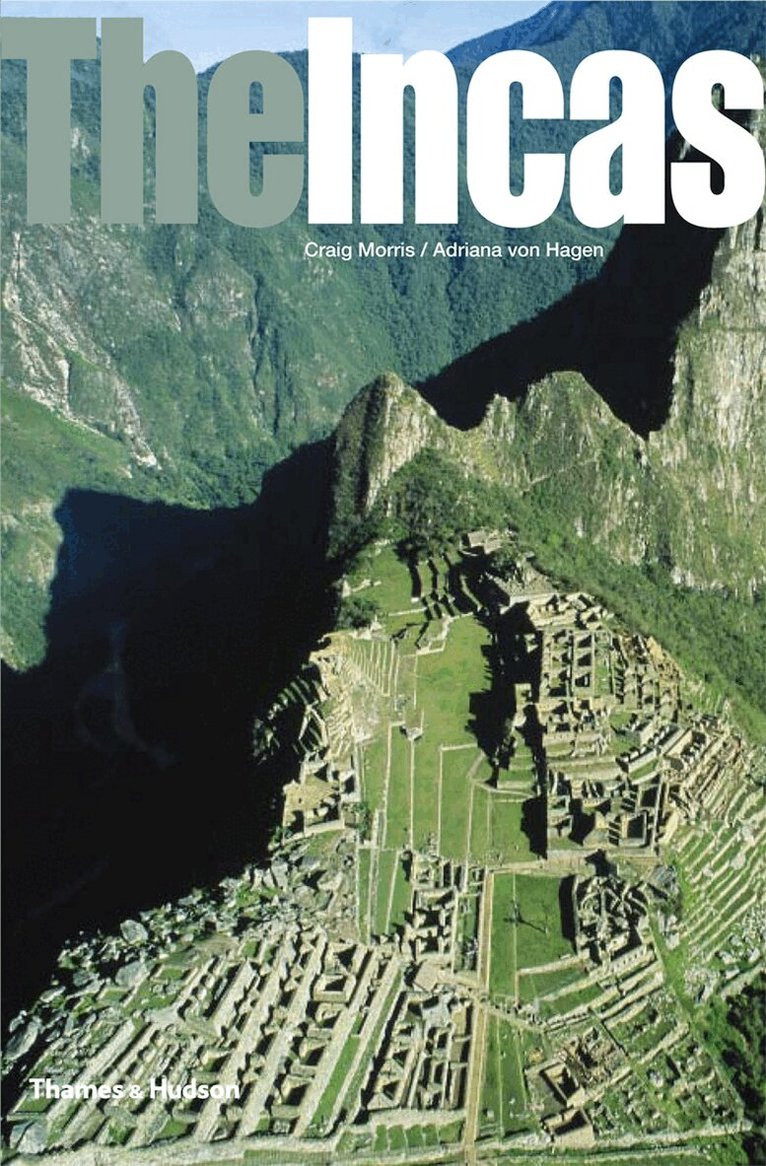
The Incas built one of the largest empires of the ancient world. The sheer scale makes their achievement truly remarkable. At its zenith it extended northwards from the Inca capital Cusco along the Andes to embrace parts of modern Peru and Ecuador, and southwards into Bolivia, Chile and Argentina. Uniquely, the authors look in detail at Cusco and at the four parts of the empire, following the vast road system to explore not just famous sites such as Machu Picchu, but all the major regional settlements. This vivid portrait shows how the Incas ruled some peoples directly but allowed others to maintain their traditional leaders with little interference. The concluding chapter is devoted to the end of the empire: the arrival of the Spaniards, the assassination of the Inca ruler Atawallpa, and the final years of the rebellious, neo-Inca state in the tropical forest of Vilcabamba.
Inbunden, Engelska, 2007
477 kr
Skickas inom 5-8 vardagar
E-bok
PDF, Engelska, 2006193 kr
Läs direkt efter köp
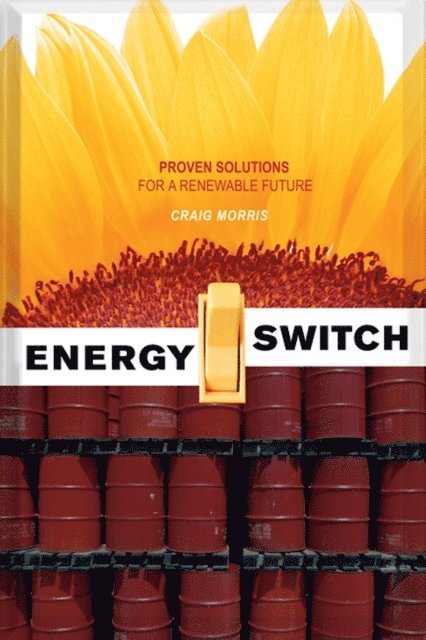
Declining oil supplies and the environmental impact of coal dictate a switch to renewable energy sources for a sustainable future. Written for a popular audience, Energy Switch details this momentous transition and proposes that the remaining non-renewable resources be used to develop a long-term supply of renewable energy.A renewable energy leader two decades ago, the US now lags behind Germany and Japan. Energy Switch pays special attention to Europe’s success, especially that of Germany, exploring what can be learned from their experience. It asks whether a mix of renewables is feasible as a major source of energy, at what cost, with what drawbacks, and in what time period. The book examines: The shortcomings and benefits of sources that might constitute a largely renewable energy platform: oil, nuclear, coal, biomass, natural gas, wind, PV, geothermal, hydrogen, wave and tidal power• Ecological tax reform and tax rebates, quotas and net metering, and the role of privatization The success of efficiency measures, the vision of demand management — tailoring power consumption to intermittent supply — and the phenomenon of virtual power plants The secret of success being in attitudes and policies, rather than in technology How the US could once again become a renewable energy leader Craig Morris is a journalist and translator specializing in renewable energy. The author of a book in German that presents the rationale behind Germany’s turn to renewable energy, he writes on energy policies and lives in Freiburg, Germany’s solar capital.
Inbunden, Engelska, 2016
492 kr
Skickas inom 10-15 vardagar
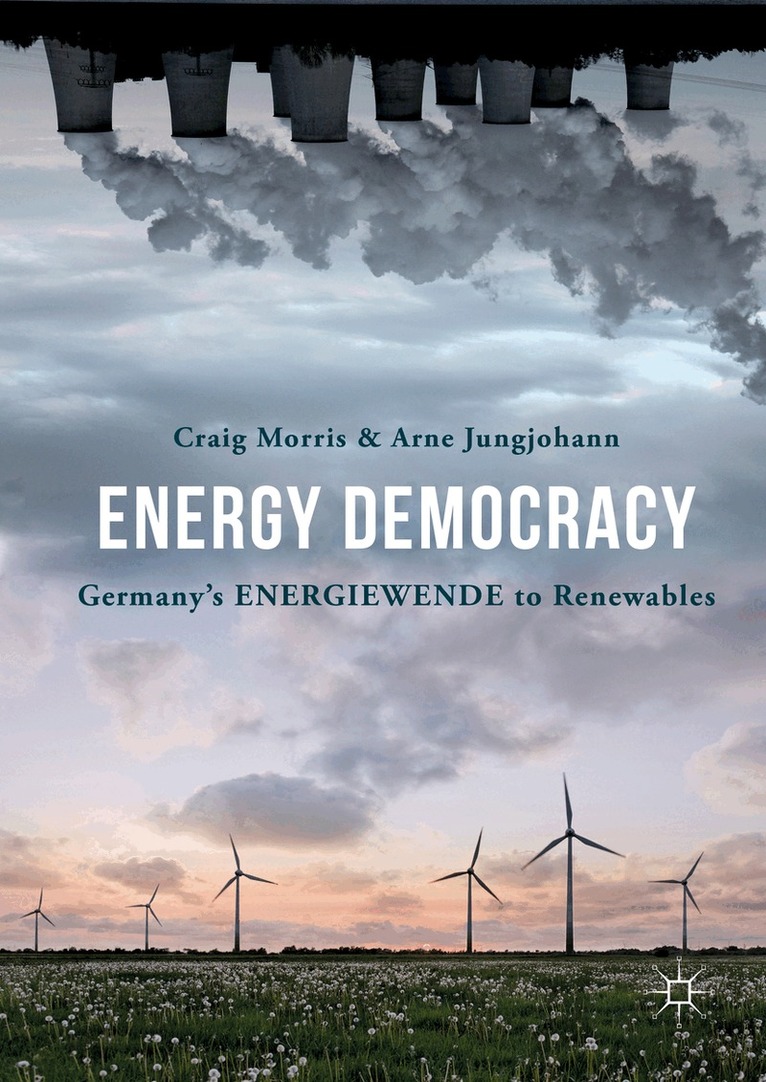
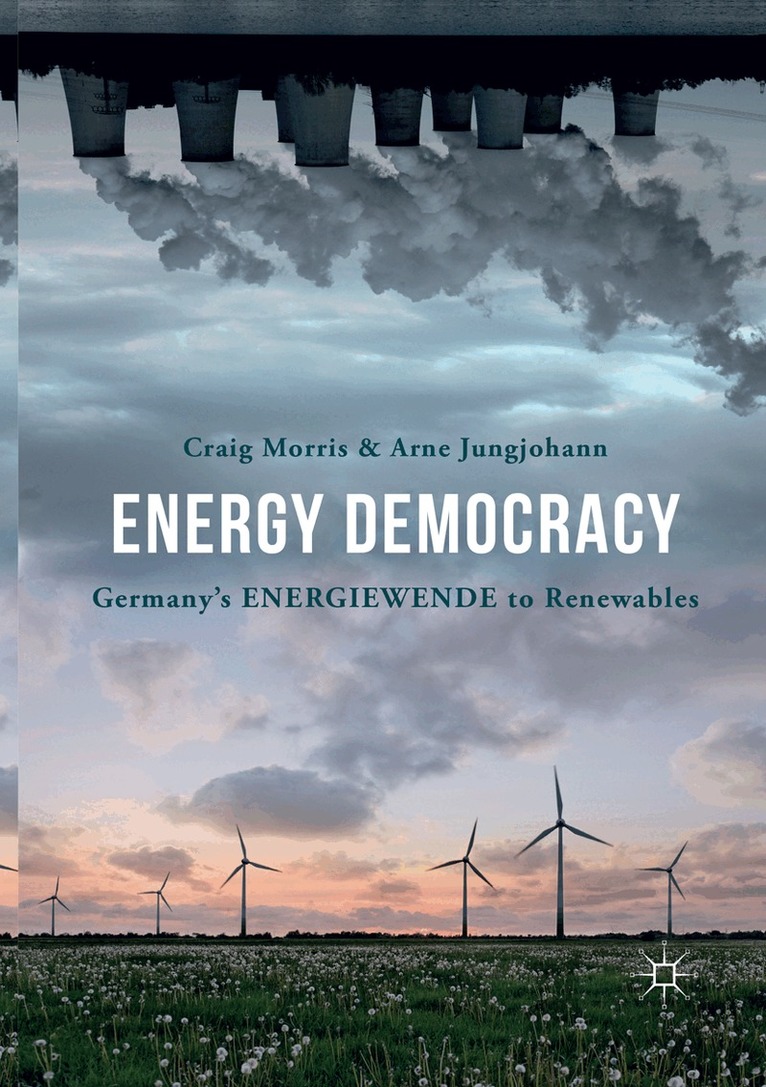
This book outlines how Germans convinced their politicians to pass laws allowing citizens to make their own energy, even when it hurt utility companies to do so. It traces the origins of the Energiewende movement in Germany from the Power Rebels of Schönau to German Chancellor Angela Merkel’s shutdown of eight nuclear power plants following the 2011 Fukushima nuclear accident. The authors explore how, by taking ownership of energy efficiency at a local level, community groups are key actors in the bottom-up fight against climate change. Individually, citizens might install solar panels on their roofs, but citizen groups can do much more: community wind farms, local heat supply, walkable cities and more. This book offers evidence that the transition to renewables is a one-time opportunity to strengthen communities and democratize the energy sector – in Germany and around the world.
E-bok
PDF, Engelska, 2016583 kr
Läs direkt efter köp
This book outlines how Germans convinced their politicians to pass laws allowing citizens to make their own energy, even when it hurt utility companies to do so. It traces the origins of the Energiewende movement in Germany from the Power Rebels of Schönau to German Chancellor Angela Merkel’s shutdown of eight nuclear power plants following the 2011 Fukushima nuclear accident. The authors explore how, by taking ownership of energy efficiency at a local level, community groups are key actors in the bottom-up fight against climate change. Individually, citizens might install solar panels on their roofs, but citizen groups can do much more: community wind farms, local heat supply, walkable cities and more. This book offers evidence that the transition to renewables is a one-time opportunity to strengthen communities and democratize the energy sector – in Germany and around the world.
Häftad, Engelska, 2018
452 kr
Skickas inom 10-15 vardagar
This book outlines how Germans convinced their politicians to pass laws allowing citizens to make their own energy, even when it hurt utility companies to do so. It traces the origins of the Energiewende movement in Germany from the Power Rebels of Schönau to German Chancellor Angela Merkel’s shutdown of eight nuclear power plants following the 2011 Fukushima nuclear accident. The authors explore how, by taking ownership of energy efficiency at a local level, community groups are key actors in the bottom-up fight against climate change. Individually, citizens might install solar panels on their roofs, but citizen groups can do much more: community wind farms, local heat supply, walkable cities and more. This book offers evidence that the transition to renewables is a one-time opportunity to strengthen communities and democratize the energy sector – in Germany and around the world.