Cristián Bellei – författare
Visar alla böcker från författaren Cristián Bellei. Handla med fri frakt och snabb leverans.
7 produkter
7 produkter
Inbunden, Engelska, 2018
1 883 kr
Skickas inom 10-15 vardagar
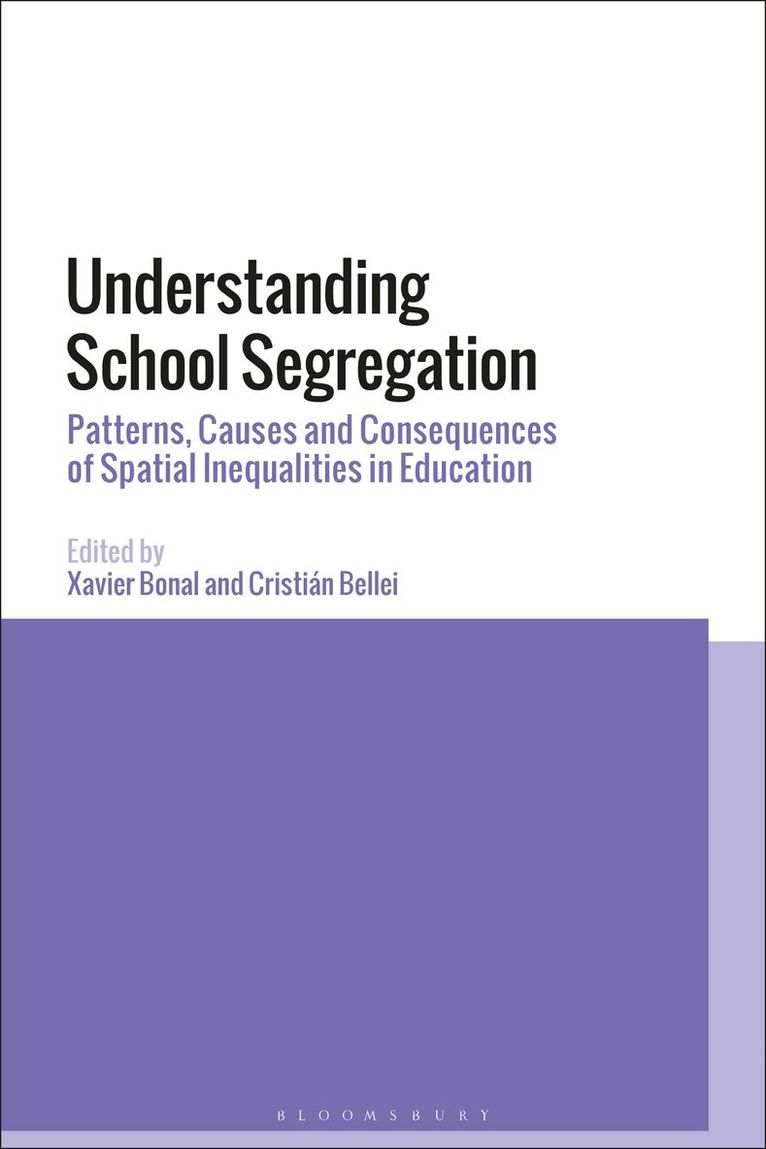
During recent decades, social inequalities have increased in many urban spaces in the globalized world, and education has not been immune to these tendencies. Urban segregation, migration movements and education policies themselves have produced an increasing process of school segregation between the most disadvantaged social groups and the middle classes. Exploring school segregation patterns in Argentina, Belgium, Brazil, Chile, England, France, Peru, Spain, Sweden and the USA, this volume provides an overview of the main characteristics and causes of school segregation, as well as its consequences for issues such as education inequalities, students’ performance, social cohesion and intercultural contact. The book is organized in three parts, with Part 1 exploring the systemic dimensions of education inequalities that shape different patterns of school segregation, and the extent to which public policies have addressed this challenge. Part 2 focuses on the consequences of school segregation on student performance and other educational aspects, and the Part 3 explores how school segregation dynamics are shaped by market forces and privatization of education. Whilst focusing on different dimensions of school segregation, each chapter explores the magnitude, trends and consequences of school segregation, providing readers with a comprehensive overview of the phenomenon and facilitating cross-country comparisons. Moreover, the volume provides important evidence about the dynamics and characteristics of school segregation, which is key for the planning and implementation of de-segregation policies.
E-bok
PDF, Engelska, 2018483 kr
Läs direkt efter köp
During recent decades, social inequalities have increased in many urban spaces in the globalized world, and education has not been immune to these tendencies. Urban segregation, migration movements and education policies themselves have produced an increasing process of school segregation between the most disadvantaged social groups and the middle classes. Exploring school segregation patterns in Argentina, Belgium, Brazil, Chile, England, France, Peru, Spain, Sweden and the USA, this volume provides an overview of the main characteristics and causes of school segregation, as well as its consequences for issues such as education inequalities, students'' performance, social cohesion and intercultural contact. The book is organized in three parts, with Part 1 exploring the systemic dimensions of education inequalities that shape different patterns of school segregation, and the extent to which public policies have addressed this challenge. Part 2 focuses on the consequences of school segregation on student performance and other educational aspects, and the Part 3 explores how school segregation dynamics are shaped by market forces and privatization of education. Whilst focusing on different dimensions of school segregation, each chapter explores the magnitude, trends and consequences of school segregation, providing readers with a comprehensive overview of the phenomenon and facilitating cross-country comparisons. Moreover, the volume provides important evidence about the dynamics and characteristics of school segregation, which is key for the planning and implementation of de-segregation policies.
E-bok
Engelska, 2018483 kr
Läs direkt efter köp
During recent decades, social inequalities have increased in many urban spaces in the globalized world, and education has not been immune to these tendencies. Urban segregation, migration movements and education policies themselves have produced an increasing process of school segregation between the most disadvantaged social groups and the middle classes. Exploring school segregation patterns in Argentina, Belgium, Brazil, Chile, England, France, Peru, Spain, Sweden and the USA, this volume provides an overview of the main characteristics and causes of school segregation, as well as its consequences for issues such as education inequalities, students'' performance, social cohesion and intercultural contact. The book is organized in three parts, with Part 1 exploring the systemic dimensions of education inequalities that shape different patterns of school segregation, and the extent to which public policies have addressed this challenge. Part 2 focuses on the consequences of school segregation on student performance and other educational aspects, and the Part 3 explores how school segregation dynamics are shaped by market forces and privatization of education. Whilst focusing on different dimensions of school segregation, each chapter explores the magnitude, trends and consequences of school segregation, providing readers with a comprehensive overview of the phenomenon and facilitating cross-country comparisons. Moreover, the volume provides important evidence about the dynamics and characteristics of school segregation, which is key for the planning and implementation of de-segregation policies.
Häftad, Engelska, 2020
462 kr
Skickas inom 10-15 vardagar
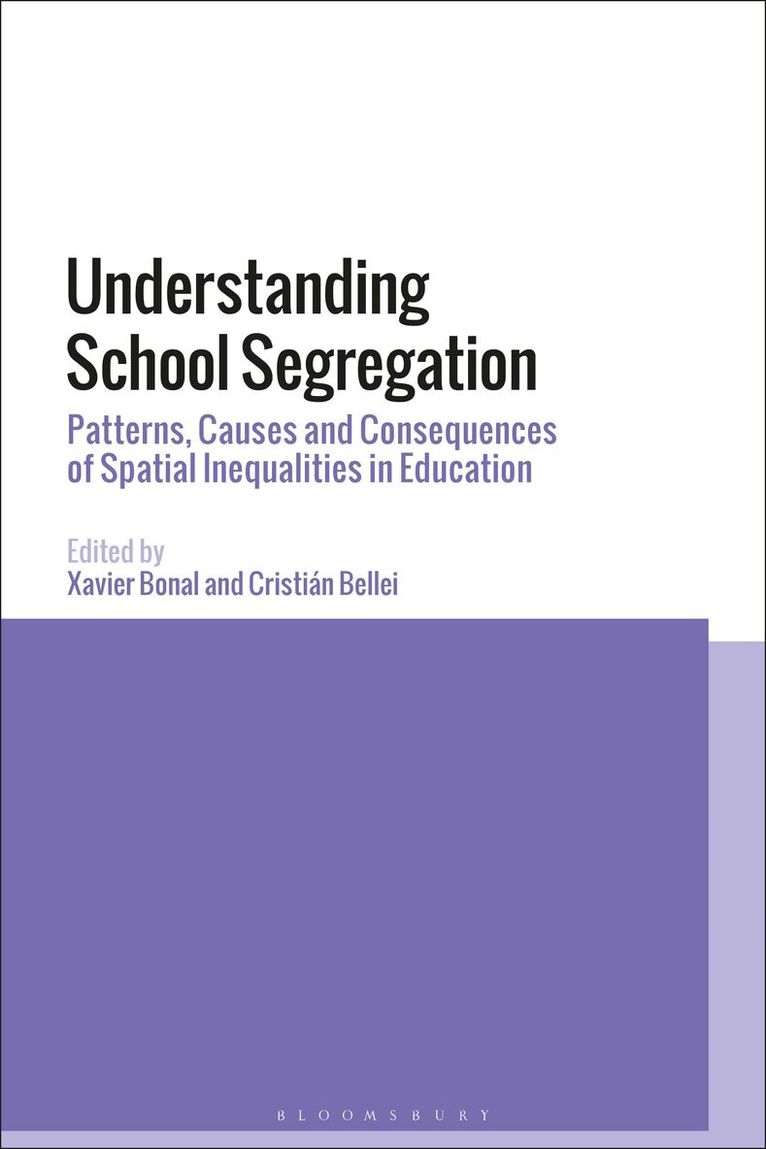
During recent decades, social inequalities have increased in many urban spaces in the globalized world, and education has not been immune to these tendencies. Urban segregation, migration movements and education policies themselves have produced an increasing process of school segregation between the most disadvantaged social groups and the middle classes. Exploring school segregation patterns in Argentina, Belgium, Brazil, Chile, England, France, Peru, Spain, Sweden and the USA, this volume provides an overview of the main characteristics and causes of school segregation, as well as its consequences for issues such as education inequalities, students’ performance, social cohesion and intercultural contact. The book is organized in three parts, with Part 1 exploring the systemic dimensions of education inequalities that shape different patterns of school segregation, and the extent to which public policies have addressed this challenge. Part 2 focuses on the consequences of school segregation on student performance and other educational aspects, and the Part 3 explores how school segregation dynamics are shaped by market forces and privatization of education. Whilst focusing on different dimensions of school segregation, each chapter explores the magnitude, trends and consequences of school segregation, providing readers with a comprehensive overview of the phenomenon and facilitating cross-country comparisons. Moreover, the volume provides important evidence about the dynamics and characteristics of school segregation, which is key for the planning and implementation of de-segregation policies.

E-bok
Spanska, 2019133 kr
Läs direkt efter köp
En este libro se analizan dos de los rasgos más sobresalientes de la educación chilena, íntimamente relacionados entre sí: su elevado nivel de privatización y el hecho de organizarse abiertamente como un mercado. El propósito del libro es entregar elementos conceptuales, empíricos y de comparación internacional, para realizar una discusión crítica sobre la experiencia chilena de reformar su educación escolar para hacerla funcionar como un mercado educativo.
183 kr
Läs direkt efter köp
El énfasis puesto en la competencia de mercado y las pruebas estandarizadas, han contribuido a dificultar la innovación, debilitar el profesionalismo docente y empobrecer la experiencia formativa de los estudiantes.
E-bok
Spanska, 2022139 kr
Läs direkt efter köp
«La educación está, si tú pagai tenís buena educación, si no pagai, no po». «¿Cómo le explicas a tu hija de cuatro años que no quedó por el DICOM?». «Son los colegios los que te eligen a ti; o sea, la libertad de elección no existe». «Me tiré al suelo, iba todos los días, llamaba por teléfono; o sea, mostré todas mis ganas de estar en el colegio, estaba desesperada, me arrastré como un gusano». «Como está muy de moda el déficit atencional, los niños tienen que ir al colegio prácticamente empastillados». «El colegio es bueno para los chicos que tienen buenas notas, pero los que no, los van dejando de lado y los aburren, para que se vayan». En Educación, la promesa incumplida hablan padres y madres que han tenido que aprender a navegar en un sistema escolar regido por lógicas de mercado, con un fuerte componente de pago, competencia, privatización y selección. Son testimonios y reflexiones íntimas, realidades en las que creemos una gran mayoría se sentirá reflejada. ¿Cómo ven la educación pública? ¿Qué piensan de los colegios privados? ¿Cómo se sienten ante los procesos de admisión escolar? ¿Cómo imaginan el futuro de sus hijas e hijos? ¿Qué les parece el trato que se da a los estudiantes «problemáticos»? Esperamos que este libro contribuya a generar una conversación nueva sobre educación en Chile; una donde la escuela sea un lugar de aprendizaje, creación y encuentro de una sociedad diversa, que aspira a construir espacios justos y amables para todxs lxs estudiantes.