Cristina Rovera – författare
1 559 kr
Skickas inom 10-15 vardagar
1 679 kr
Läs direkt efter köp
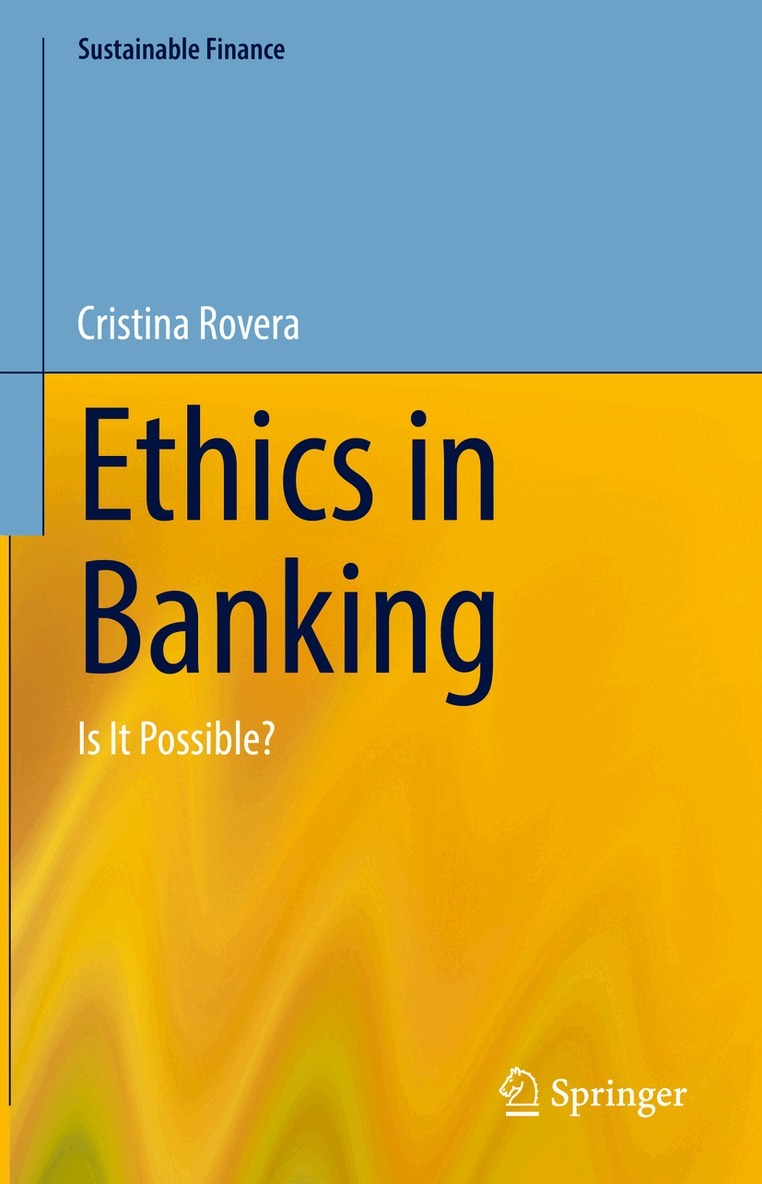
Banks are frequently considered usurers. Is it possible to talk about ethics when you analyse banking activity? This book focuses on this question and starts with the history and the philosophy. Philosophers like Aristotle, Immanuel Kant and John Stuart Mill proposed different theories about the need for ethics in finance. If we accept Mill''s thought, the production of wealth in society is driven by the personal pursuit of profit. But - unfortunately - this does not, on its own, ensure collective well-being. It must be guided by a superior mechanism which transforms it into wealth for all. This introduces the role of financial institutions, which often have to comply with legal obligations. The book focuses on the role that these institutions have in supporting the ‘ethical’ use of money. The author analyses a number of cases in banks and the financial industry and discusses topics like anti-money laundering, anti-usury, islamic finance, microcredit and bank rescue systems, including not only best practices but also examples of unethical financial management.
644 kr
Skickas inom 5-8 vardagar
1 559 kr
Skickas inom 10-15 vardagar
1 115 kr
Skickas inom 10-15 vardagar
1 415 kr
Läs direkt efter köp
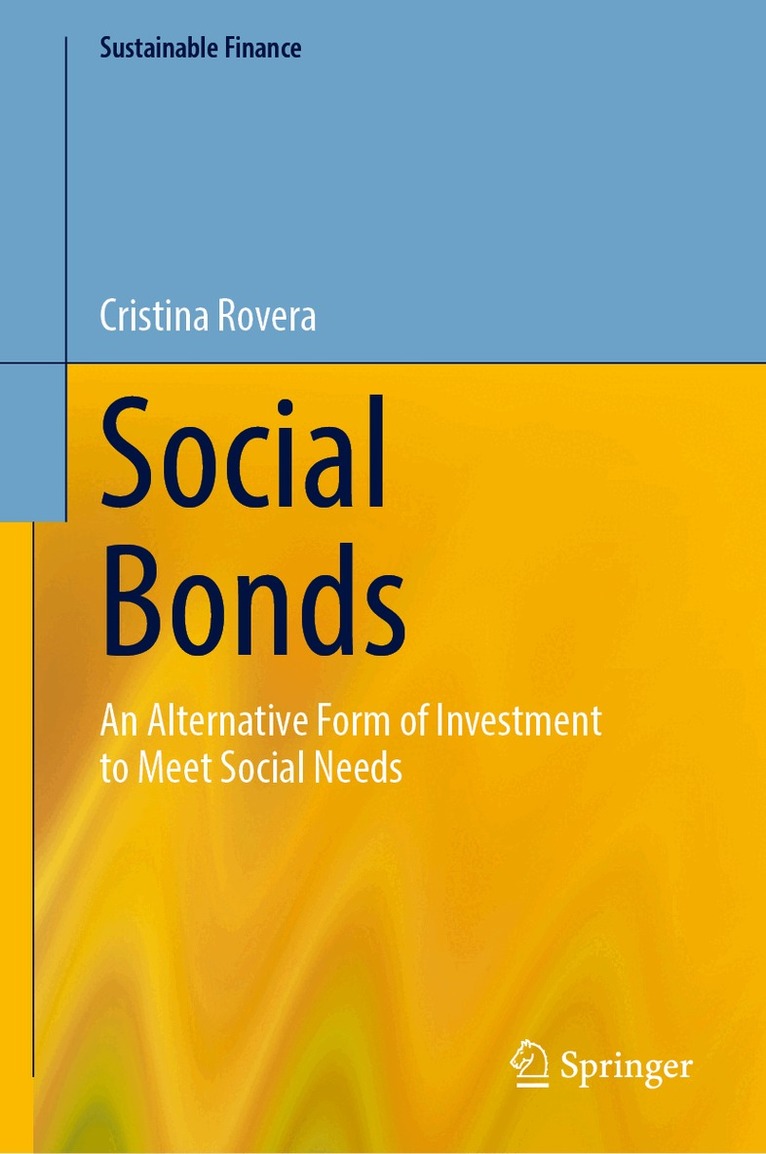
Can finance help mankind? We are accustomed to reading sad news about money. Apparently, money is often associated exclusively with illicit trafficking, and it seems that only the wicked benefit from it, while good people are crushed by a system that exploits them. Is this true? Is this the reality of our world? Perhaps money is merely a tool. What truly matters is the intention behind its use. Consider the positive impact that can be achieved through charitable acts.
This book introduces and discusses the concept of social bonds as instruments created to enhance collective welfare. Nevertheless, the characteristics of social bonds allow for individual well-being as well. Social bonds can yield a return and ensure repayment of the principal upon maturity. They can be perceived as an alternative to donations for those who support them or as a means of diversification for those interested in personal gain. The ultimate purpose of the investment holds little significance. What truly matters is the allocation of resources towards ethical endeavors.
Currently, social bonds constitute a niche market, yet they harbor significant potential for development. This book proposes a global examination of the subject matter. The analysis delves into the social reality implemented worldwide, focusing on economic aspects such as risk and return, fundraising, successes, and failures. Additionally, the author explores the advantages and disadvantages of these instruments to provide a comprehensive study of the sector.