Cynthia Richards – författare
Visar alla böcker från författaren Cynthia Richards. Handla med fri frakt och snabb leverans.
6 produkter
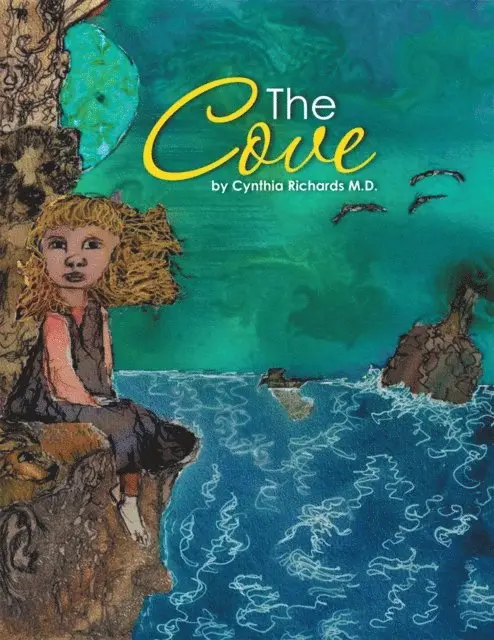
Cove
E-bok, 2012
61 kr
Lägg i varukorg
He suggested, look into the mirror and fi nd what changes mightplacate the gods and make this journey a bit easier. But themirror was theirs, the gods of mediocrity and the status quo! Lokicertainly knew this was wrong. Loki, the god of change whocould wreak havoc, knew this would be a superfi cial …
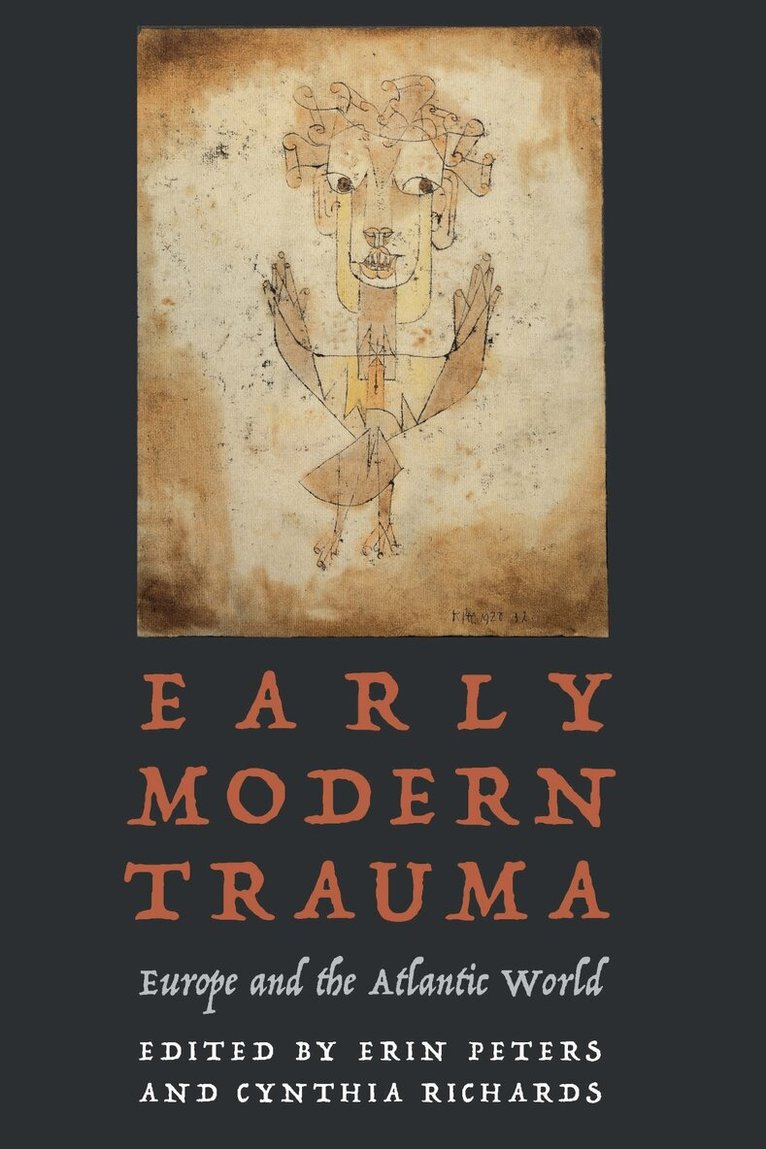
Early Modern Trauma
Europe and the Atlantic World
Av Erin Peters, Cynthia Richards
Inbunden, 2021
878 kr
Lägg i varukorg
The term trauma refers to a wound or rupture that disorients, causing suffering and fear. Trauma theory has been heavily shaped by responses to modern catastrophes, and as such trauma is often seen as inherently linked to modernity. Yet psychological and cultural trauma as a result of distressing …
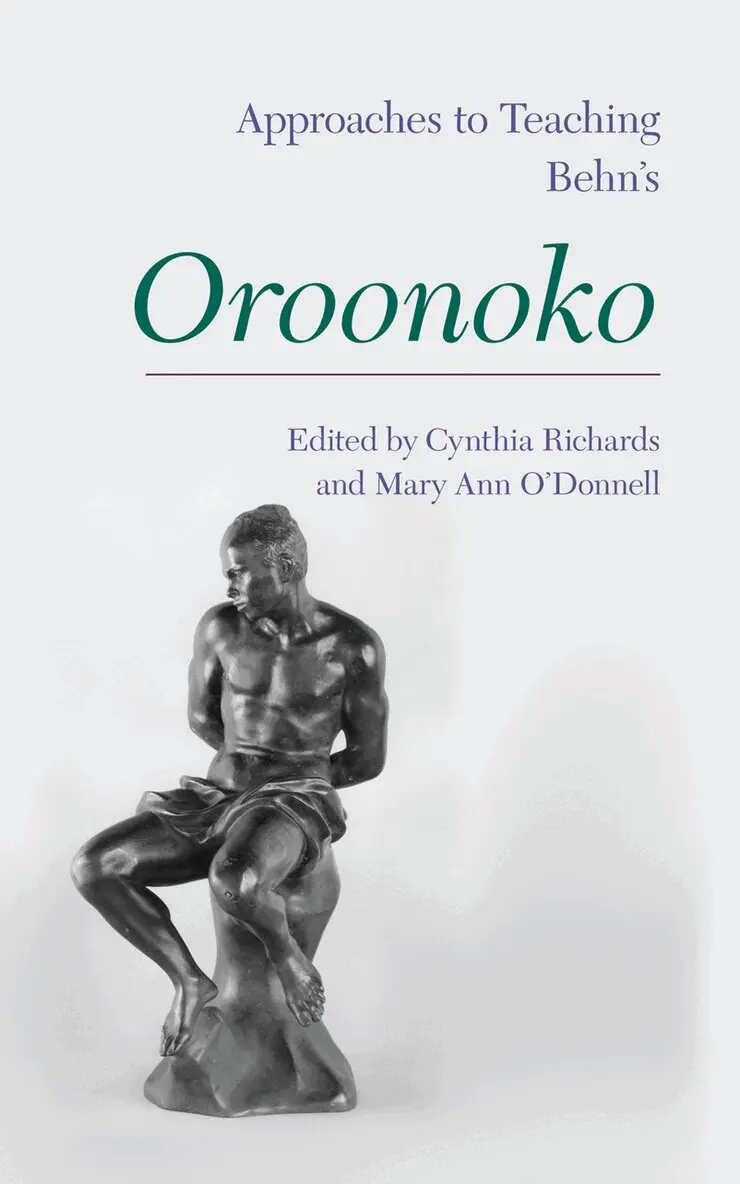
Approaches to Teaching Aphra Behn's 'Oroonoko'
Av Cynthia Richards, Mary Ann O'Donnell
Inbunden, 2013
1230 kr
Tillfälligt slut
Once merely a footnote in Restoration and eighteenth century studies and rarely taught, Oroonoko; or, The Royal Slave (1688), by Aphra Behn, is now essential reading for scholars and a classroom favourite. It appears in general surveys and in courses on early modern British writers, postcolonial …
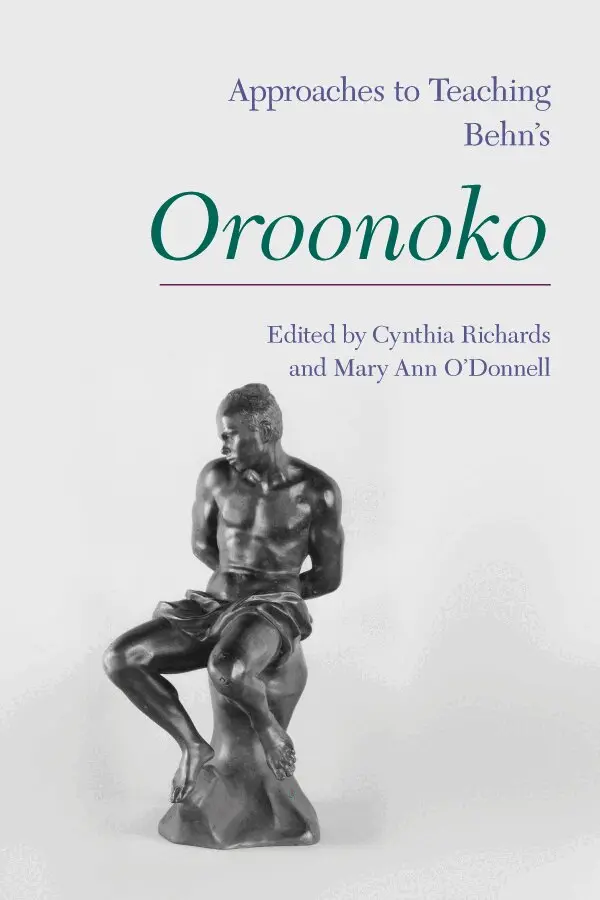
Approaches to Teaching Aphra Behn's 'Oroonoko'
Av Cynthia Richards, Mary Ann O'Donnell
Häftad, 2013
507 kr
Tillfälligt slut
Once merely a footnote in Restoration and eighteenth century studies and rarely taught, Oroonoko; or, The Royal Slave (1688), by Aphra Behn, is now essential reading for scholars and a classroom favourite. It appears in general surveys and in courses on early modern British writers, postcolonial …