
D. G. Charlton – författare
Visar alla böcker från författaren D. G. Charlton. Handla med fri frakt och snabb leverans.
2 produkter
2 produkter
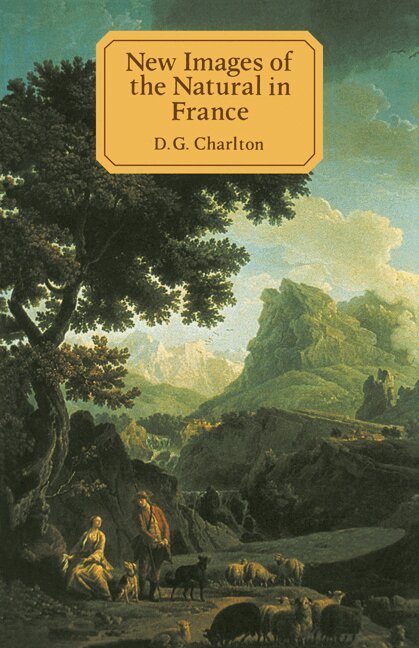
New Images of the Natural in France
A Study in European Cultural History 1750-1800
Häftad, Engelska, 1984
477 kr
Skickas inom 7-10 vardagar
The latter half of the eighteenth century saw radical changes in the way nature - both external and human nature - was perceived. It is these new perceptions, these new images of the 'the natural' that this book examines: new appreciations of the 'sublime' wildness of landscape; new revelations by the life sciences of natural creative fecundity; new assertions of the innocence of 'natural man', as illustrated by the noble savage, the contented peasant, the happy family; a new sense of harmony between man and nature, reflected in changing moral, psychological, economic, and religious attitudes. Professor Charlton concentrates on French examples, for in France the contrast between old and new views was particularly vivid; but there are also numerous comparisons with England and other European countries, making this a major study in the cultural history of Europe at an especially crucial time for the formation of many of our modem assumptions about man and nature.
493 kr
Skickas inom 7-10 vardagar
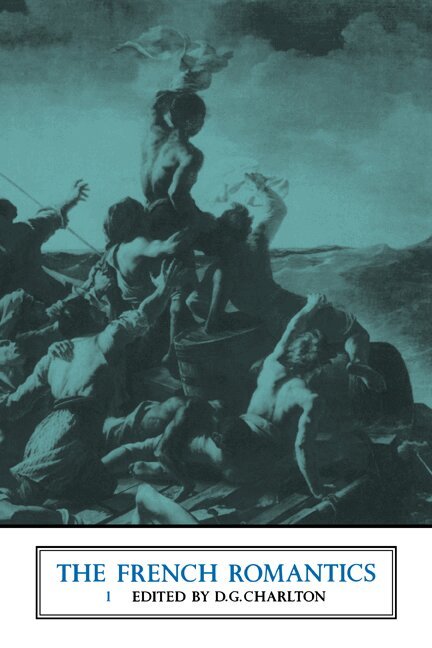
This collaborative, two-volume work offers a full survey of the French Romantics as a whole, and seeks to reassess their collective achievement and continuing value. The movement they created is considered within the broad terms of intellectual and cultural history as well as of literary criticism. Alongside chapters on the poetry, the novel, the drama and literary theory, there are therefore studies of the religious and political thought, historical writings, art, music and opera that are no less central to a full appreciation of French Romanticism. Volume 1 begins with a discussion of the movement's rise, development and aims, and this is followed by two chapters devoted to different aspects of the Romantics' fundamental intellectual commitment as embodied in their ideas on religion, politics and society. The other two chapters in this volume consider the two central literary genres of poetry and prose fiction.