D. K. Renton – författare
Visar alla böcker från författaren D. K. Renton. Handla med fri frakt och snabb leverans.
9 produkter
9 produkter
E-bok
PDF, Engelska, 2026812 kr
Läs direkt efter köp
This book explores the anti fascist novel in Britain: its origins in activists' experience, its solutions to questions of how to organise.Some of the works Renton discusses are classics of twentieth century literature including Muriel Spark's The Prime of Miss Jean Brodie, Kazuo Ishiguro's The Remains of the Day and Hanif Kureishi's The Buddha of Suburbia. Some are or were best sellers - including Len Deighton's SS GB. The novels share certain themes: a central character is radicalised towards fascism and that decision shapes the protagonist's life for the worse. Alternatively, in a mirror version of the same pattern, a protagonist becomes an anti fascist and seeks to improve the world around them. Renton explains the real life history that these novels reflect and the committed anti fascist politics with which they engage.This book will be of interest to researchers of antifascism and social, cultural, and political history.
E-bok
Engelska, 2026812 kr
Läs direkt efter köp
This book explores the anti fascist novel in Britain: its origins in activists' experience, its solutions to questions of how to organise.Some of the works Renton discusses are classics of twentieth century literature including Muriel Spark's The Prime of Miss Jean Brodie, Kazuo Ishiguro's The Remains of the Day and Hanif Kureishi's The Buddha of Suburbia. Some are or were best sellers - including Len Deighton's SS GB. The novels share certain themes: a central character is radicalised towards fascism and that decision shapes the protagonist's life for the worse. Alternatively, in a mirror version of the same pattern, a protagonist becomes an anti fascist and seeks to improve the world around them. Renton explains the real life history that these novels reflect and the committed anti fascist politics with which they engage.This book will be of interest to researchers of antifascism and social, cultural, and political history.
Häftad, Engelska, 2026
686 kr
Skickas inom 10-15 vardagar
This book explores the anti‑fascist novel in Britain: its origins in activists’ experience, its solutions to questions of how to organise.Some of the works Renton discusses are classics of twentieth‑century literature including Muriel Spark’s The Prime of Miss Jean Brodie, Kazuo Ishiguro’s The Remains of the Day and Hanif Kureishi’s The Buddha of Suburbia. Some are or were best‑sellers – including Len Deighton’s SS‑GB. The novels share certain themes: a central character is radicalised towards fascism and that decision shapes the protagonist’s life for the worse. Alternatively, in a mirror version of the same pattern, a protagonist becomes an anti‑fascist and seeks to improve the world around them. Renton explains the real‑life history that these novels reflect and the committed anti‑fascist politics with which they engage.This book will be of interest to researchers of antifascism and social, cultural, and political history.
Inbunden, Engelska, 2026
2 509 kr
Skickas inom 10-15 vardagar
This book explores the anti‑fascist novel in Britain: its origins in activists’ experience, its solutions to questions of how to organise.Some of the works Renton discusses are classics of twentieth‑century literature including Muriel Spark’s The Prime of Miss Jean Brodie, Kazuo Ishiguro’s The Remains of the Day and Hanif Kureishi’s The Buddha of Suburbia. Some are or were best‑sellers – including Len Deighton’s SS‑GB. The novels share certain themes: a central character is radicalised towards fascism and that decision shapes the protagonist’s life for the worse. Alternatively, in a mirror version of the same pattern, a protagonist becomes an anti‑fascist and seeks to improve the world around them. Renton explains the real‑life history that these novels reflect and the committed anti‑fascist politics with which they engage.This book will be of interest to researchers of antifascism and social, cultural, and political history.
Häftad, Engelska, 2019
180 kr
Skickas
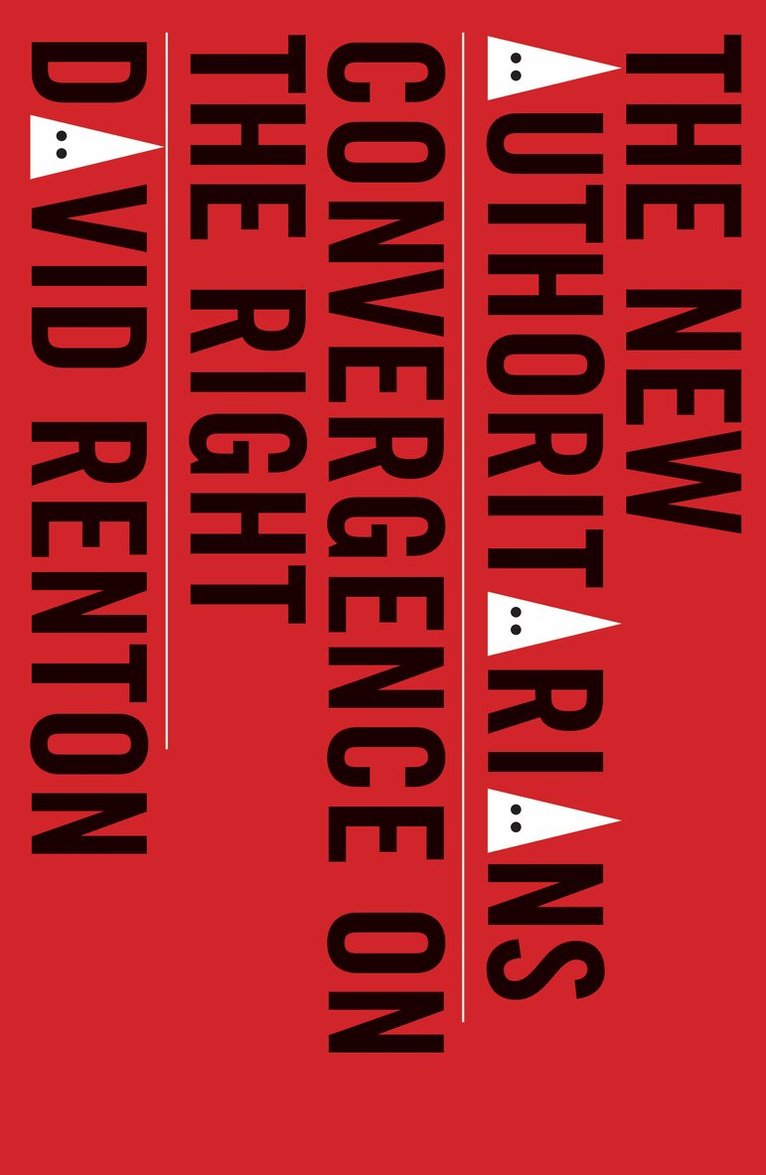
The eighteen months between June 2016 and the end of 2017 saw the victory of Leave in Britain’s EU referendum, the election of Donald Trump as President of the United States, and unprecedented support for Marine Le Pen of the Front National in her campaign for the same office in France. Nearly a decade after the great financial crash, it is these figures and the alarmingly confident and radical version of right-wing politics they represent that have gained the initiative over a moribund center and a still weak left.But what exactly does this new reality represent? While some argue that we are hurtling towards fascism in a replay of the 1930s, and others insist there is little substantial change from “politics as usual,” Renton takes a different and more nuanced view. In country after country, under the clouds of economic austerity and post-9/11 Islamophobia, we have seen a convergence between traditional conservatives, the authoritarian far-right, and previously marginal fascists. The result is a new, still emergent, and deeply troubling form of right-wing radicalism, at once more moderate than classical fascism in its political strategy, yet indulgent of the racism of its most extreme components.
Häftad, Engelska, 2026
332 kr
Kommande
Häftad, Engelska, 2026
179 kr
Skickas inom 5-8 vardagar
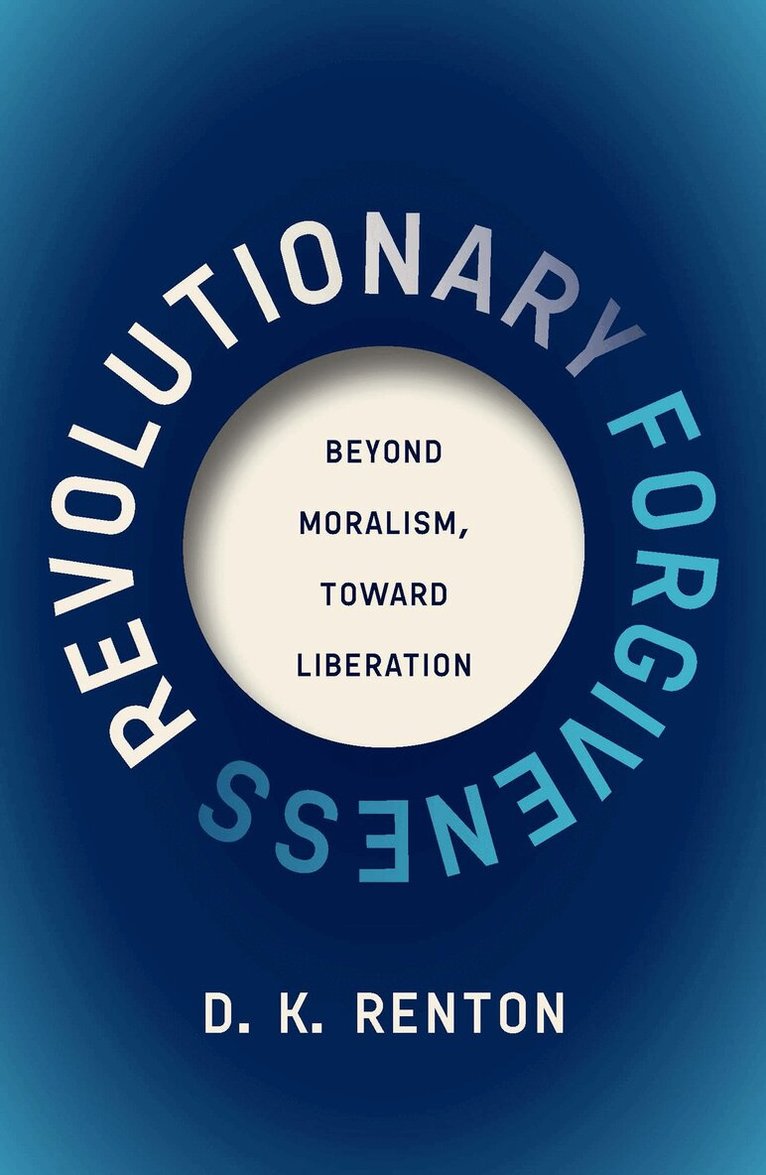
Forgiveness is necessary in the long fight for a just world—but it is only possible after the oppressed are victoriousFor too long, revolutionary social movements have reconciled to defeat. We must start winning again. Forgiveness is a crucial strategy for remaking the world, to secure and sustain victories, to transform one-time enemies into friends.With deep political commitment, D. K. Renton makes the case for forgiveness—but of a particularly unruly sort. Tracing the tragic abuse of Eleanor Marx and Jane Wells, the mistakes of the South African Truth and Reconciliation Commission, and the redemption of televangelist Tammy Faye, Renton urges us to forgive, but only after tearing down the citadels of the rich.Revolutionary Forgiveness connects collective struggle with the individual’s search for justice to demand a better future for all—when the oppressed will be magnanimous in power, and even former oppressors will be free.“Renton rescues ‘forgiveness' from the pulpit and returns it, bloodied but lucid, to history.”—Richard Seymour, author of Disaster Nationalism
E-bok
Engelska, 2026129 kr
Läs direkt efter köp
Forgiveness is necessary in the long fight for a just world-but it is only possible after the oppressed are victoriousFor too long, revolutionary social movements have reconciled to defeat. We must start winning again. Forgiveness is a crucial strategy for remaking the world, to secure and sustain victories, to transform one-time enemies into friends.With deep political commitment, D. K. Renton makes the case for forgiveness but of a particularly unruly sort. Tracing the tragic abuse of Eleanor Marx and Jane Wells, the mistakes of the South African Truth and Reconciliation Commission, and the redemption of televangelist Tammy Faye, Renton urges us to forgive, but only after tearing down the citadels of the rich.Revolutionary Forgiveness connects collective struggle with the individual s search for justice to demand a better future for all when the oppressed will be magnanimous in power, and even former oppressors will be free. Renton rescues forgiveness' from the pulpit and returns it, bloodied but lucid, to history. Richard Seymour, author of Disaster Nationalism
Inbunden, Engelska, 2026
862 kr
Kommande
Forgiveness is necessary in the long fight for a just world—but it is only possible after the oppressed are victoriousFor too long, revolutionary social movements have reconciled to defeat. We must start winning again. Forgiveness is a crucial strategy for remaking the world, to secure and sustain victories, to transform one-time enemies into friends.With deep political commitment, D. K. Renton makes the case for forgiveness—but of a particularly unruly sort. Tracing the tragic abuse of Eleanor Marx and Jane Wells, the mistakes of the South African Truth and Reconciliation Commission, and the redemption of televangelist Tammy Faye, Renton urges us to forgive, but only after tearing down the citadels of the rich.Revolutionary Forgiveness connects collective struggle with the individual’s search for justice to demand a better future for all—when the oppressed will be magnanimous in power, and even former oppressors will be free.“Renton rescues ‘forgiveness' from the pulpit and returns it, bloodied but lucid, to history.”—Richard Seymour, author of Disaster Nationalism