D. Lo – författare
Visar alla böcker från författaren D. Lo. Handla med fri frakt och snabb leverans.
5 produkter
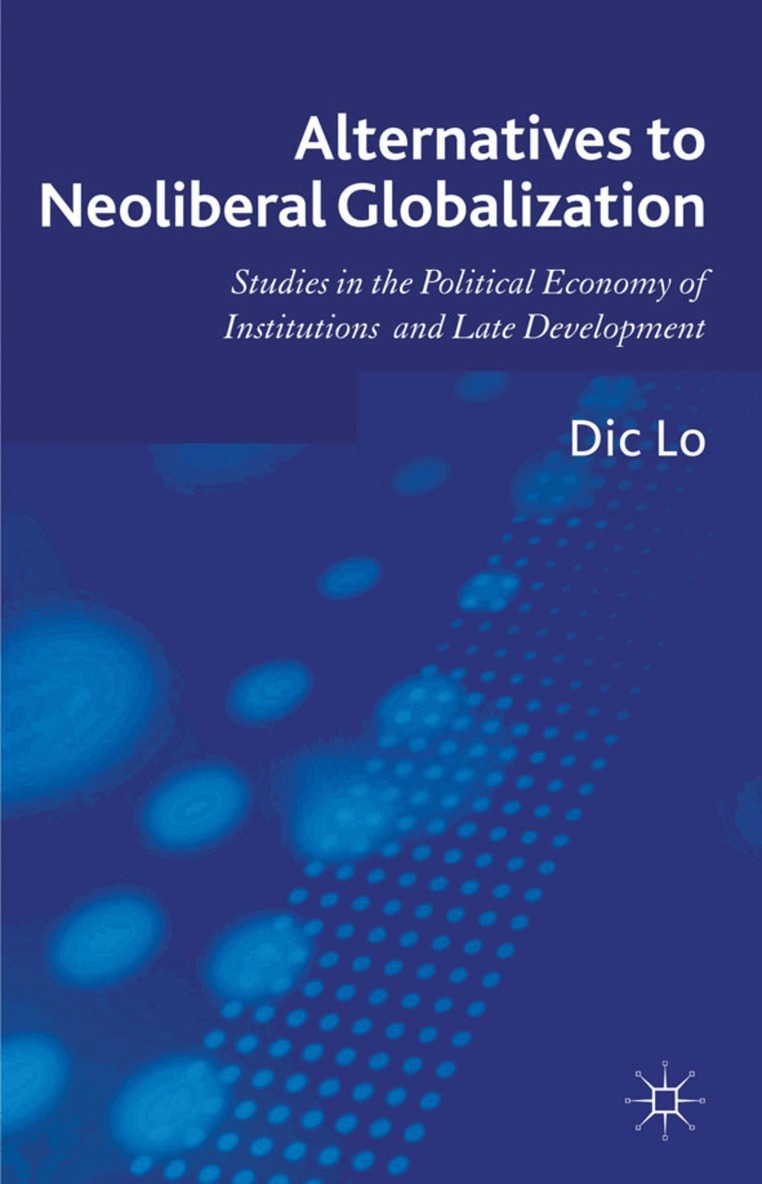
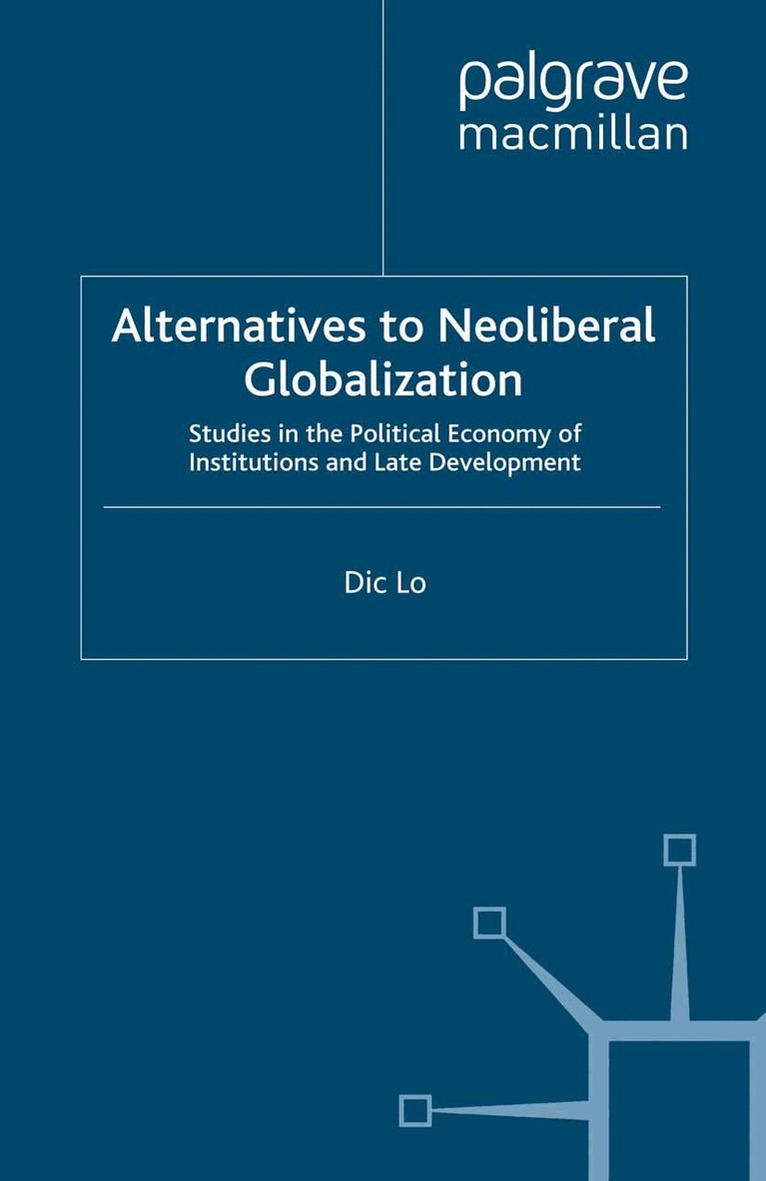
Alternatives to Neoliberal Globalization
Studies in the Political Economy of Institutions and Late Development
Av D. Lo
Inbunden, 2011
1095 kr
Lägg i varukorg
This book seeks to clarify the positive and negative lessons in the experiences of late development under neoliberal globalization. Dic Lo explores competing theories, with a view to constructing an alternative synthesis that transcends neoliberalism, placing greater emphasis on solidarity and …
Alternatives to Neoliberal Globalization
Studies in the Political Economy of Institutions and Late Development
Av D. Lo
E-bok, 2011
1516 kr
Lägg i varukorg
This book seeks to clarify the positive and negative lessons in the experiences of late development under neoliberal globalization. Dic Lo explores competing theories, with a view to constructing an alternative synthesis that transcends neoliberalism, placing greater emphasis on solidarity and …
Market and Institutional Regulation in Chinese Industrialization,1978-94
Av D. Lo
E-bok, 1997
1550 kr
Lägg i varukorg
There is now a vast and still rapidly expanding literature of scholarly studies on the Chinese experience of economic growth and systemic transformation over the past 16 years. By and large, most of the studies tend to conceptualize the experience as a process of transition to the market economy. …
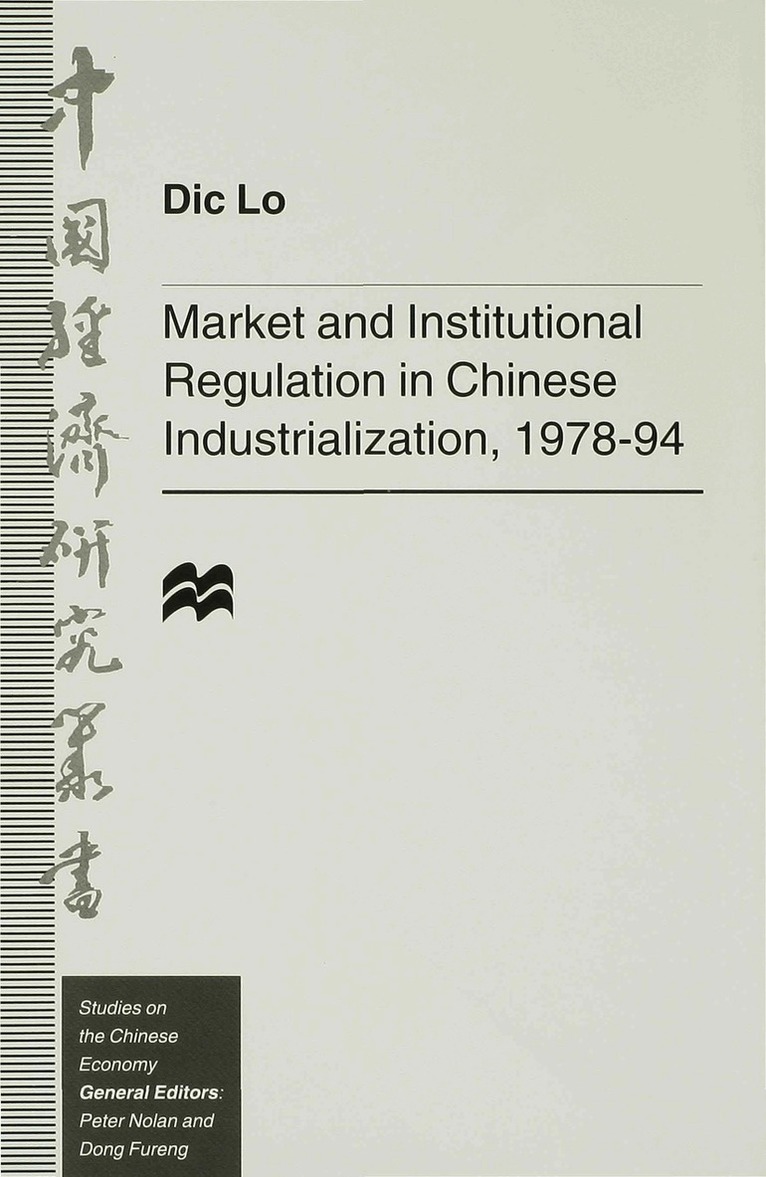
Market and Institutional Regulation in Chinese Industrialization,1978-94
Av D. Lo
Inbunden, 1997
1128 kr
Lägg i varukorg
There is now a vast and still rapidly expanding literature of scholarly studies on the Chinese experience of economic growth and systemic transformation over the past 16 years. By and large, most of the studies tend to conceptualize the experience as a process of transition to the market economy. …
Alternatives to Neoliberal Globalization
Studies in the Political Economy of Institutions and Late Development
Av D. Lo
Häftad, 2012
1095 kr
Lägg i varukorg
This book seeks to clarify the positive and negative lessons in the experiences of late development under neoliberal globalization. Dic Lo explores competing theories, with a view to constructing an alternative synthesis that transcends neoliberalism, placing greater emphasis on solidarity and …