D.A.C. Manning - Böcker
Visar alla böcker från författaren D.A.C. Manning. Handla med fri frakt och snabb leverans.
2 produkter
2 produkter
3 172 kr
Skickas inom 10-15 vardagar
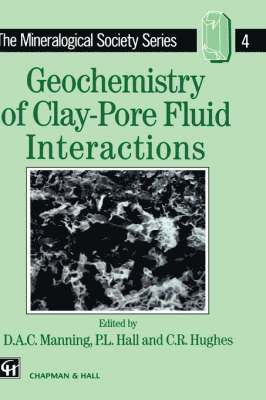
Clay minerals play an important part in everyday life. They are used by petroleum engineers to make up drilling muds and in waste disposal to isolate tips from the surrounding environment. Clay minerals occur naturally within petroleum reservoirs and can cause extraction problems; they can also influence the behaviour of geothermal power systems. This book contains selected research and review chapters which deal with theoretical and applied aspects of clay minerals. The four review chapters cover the geochemical characterization of porous solids and aggregates using synchroton radiation techniques, the phenomenon of overpressuring, primary global distributions of clay minerals, and the use of clays as barriers in waste disposal. Examples of how current research bears on current problems vary from computer simulation of the atomic structure of clays at the molecular level, through to experimental studies of clay mineral stability in surface and diagenetic environments to evidence for clay-fluid reactions in natural mudrocks and chemical studies of pore waters from clay sequences and adjacent to radioactive waste disposal sites.This interdisciplinary book aims to provide the opportunity for geochemists and mineralogists to learn about applications of their work within a number of different fields. It should provide a valuable source of information for senior undergraduate and postgraduate students, as well as acting as a useful reference book for more experienced scientists.
1 062 kr
Skickas inom 10-15 vardagar
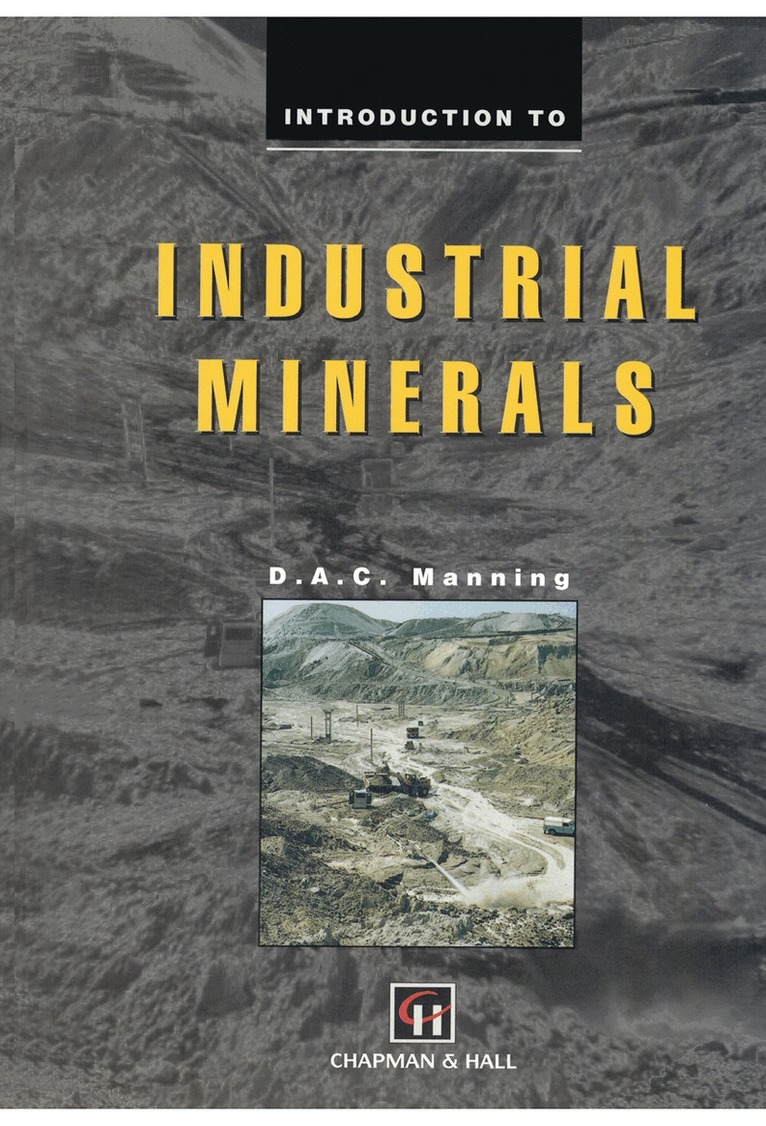
This text emphasizes the way in which the requirements of industry control mineral exploitation, and the way in which fundamental mineral properties are exploited for particular applications. It describes aggregates, industrial clays and raw materials for the chemical industry. The book also addresses the need for high temperature processing with a chapter on mineralogical phase diagrams and time-temperature-transformation diagrams. It describes the evalutation of geological reserves, in the context of computer modelling of deposit quality. Finally, it considers the use of a site after extraction, for waste disposal and other purposes. By integrating mineral extraction, landfill waste disposal and site remediation, the work illustrates the big picture. It concentrates on the applied mineralogy of industrial and constructional raw materials. The text should be of interest to advanced undergraduates and postgraduates studying industrial minerals, applied geology and environmental geology, as well as to professionals in mineral extractive companies and waste disposal.