Dale C. Copeland – författare
Visar alla böcker från författaren Dale C. Copeland. Handla med fri frakt och snabb leverans.
7 produkter
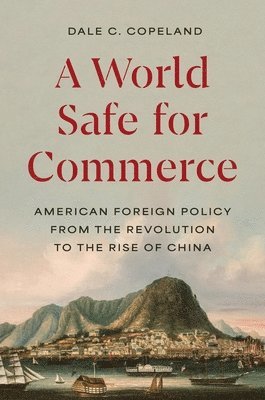
World Safe for Commerce
American Foreign Policy from the Revolution to the Rise of China
Häftad, 2025
247 kr
Lägg i varukorg
An Economist Biggest Book of the YearHow commerce determines whether America preserves the peace or goes to warWhen the Cold War ended, many believed that expanding trade would usher in an era of peace. Yet today the United States finds itself confronting not just Russia in Europe but China in the …
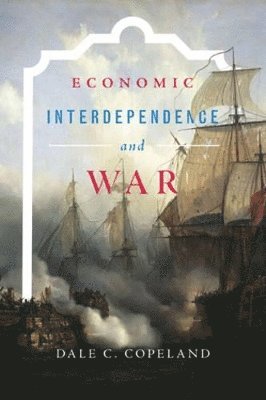
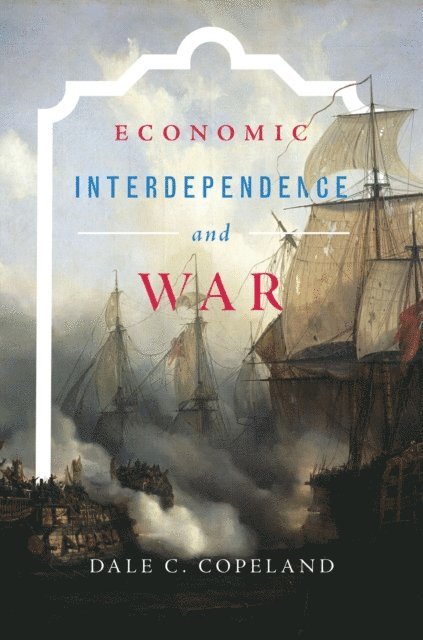
Economic Interdependence and War
Häftad, 2014
385 kr
Lägg i varukorg
Does growing economic interdependence among great powers increase or decrease the chance of conflict and war? Liberals argue that the benefits of trade give states an incentive to stay peaceful. Realists contend that trade compels states to struggle for vital raw materials and markets. Moving …
World Safe for Commerce
American Foreign Policy from the Revolution to the Rise of China
Inbunden, 2024
350 kr
Lägg i varukorg
An Economist Biggest Book of the YearHow commerce determines whether America preserves the peace or goes to warWhen the Cold War ended, many believed that expanding trade would usher in an era of peace. Yet today the United States finds itself confronting not just Russia in Europe but China in the …
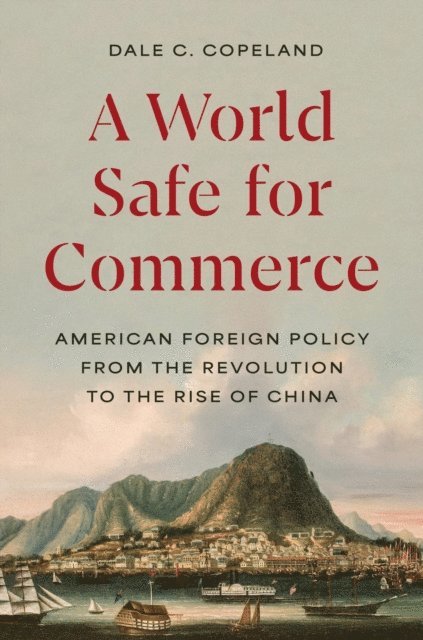
World Safe for Commerce
American Foreign Policy from the Revolution to the Rise of China
E-bok, 2024
314 kr
Lägg i varukorg
An Economist Biggest Book of the Year How commerce determines whether America preserves the peace or goes to war When the Cold War ended, many believed that expanding trade would usher in an era of peace. Yet today the United States finds itself confronting not just Russia in Europe but China in …
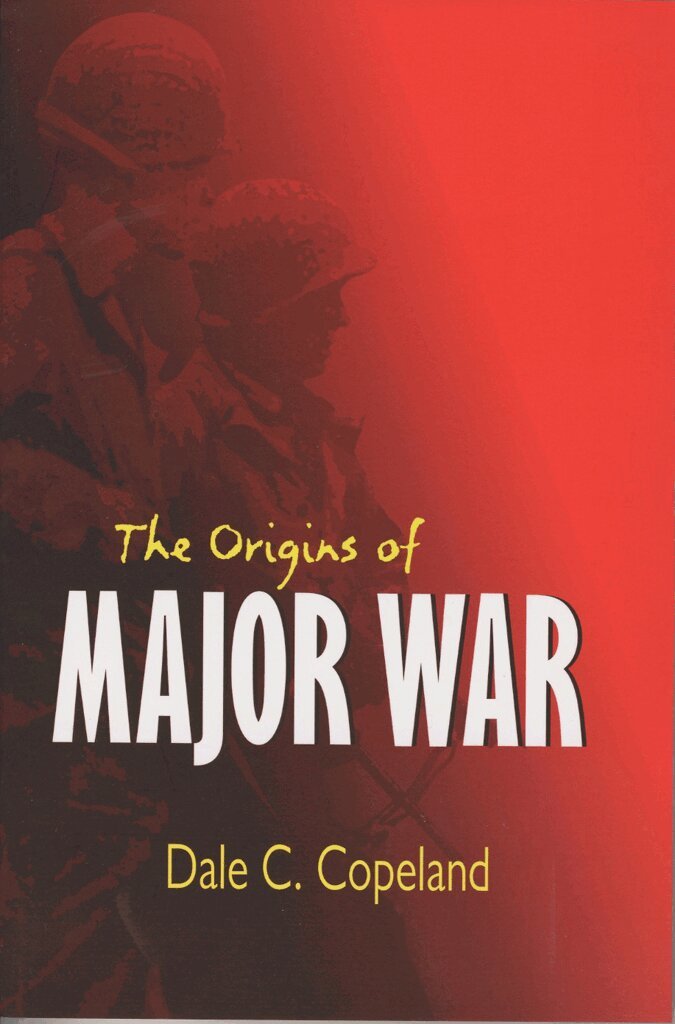
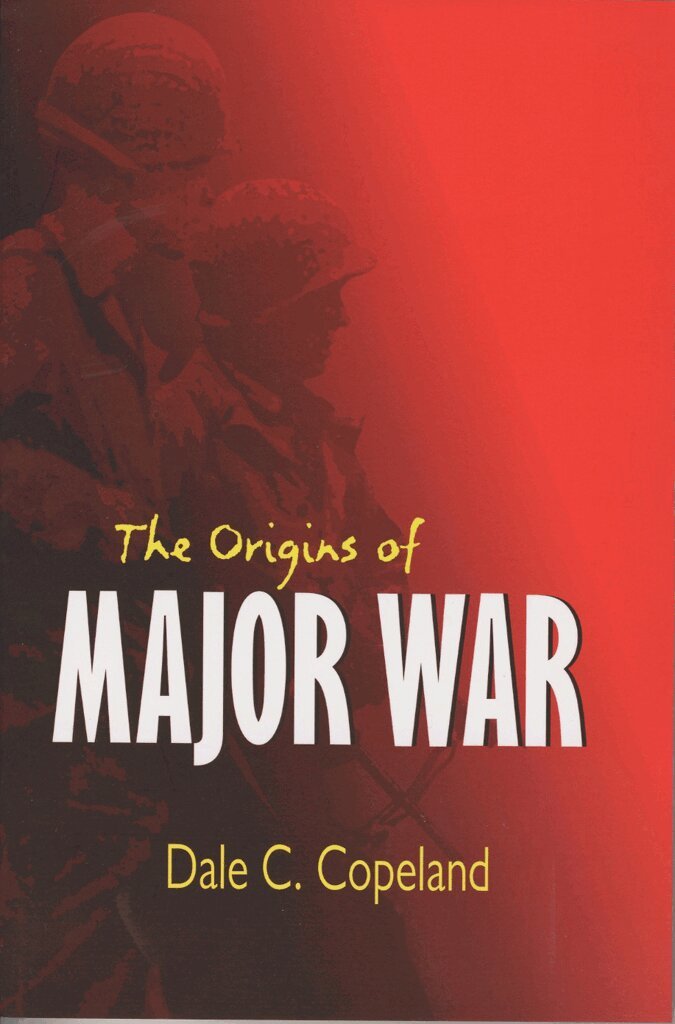
Origins of Major War
Inbunden, 2000
1229 kr
Lägg i varukorg
One of the most important questions of human existence is what drives nations to war—especially massive, system-threatening war. Much military history focuses on the who, when, and where of war. In this riveting book, Dale C. Copeland brings attention to bear on why governments make decisions that …
Origins of Major War
Häftad, 2001
293 kr
Lägg i varukorg
One of the most important questions of human existence is what drives nations to war—especially massive, system-threatening war. Much military history focuses on the who, when, and where of war. In this riveting book, Dale C. Copeland brings attention to bear on why governments make decisions that …
Economic Interdependence and War
E-bok, 2014
500 kr
Lägg i varukorg
Does growing economic interdependence among great powers increase or decrease the chance of conflict and war? Liberals argue that the benefits of trade give states an incentive to stay peaceful. Realists contend that trade compels states to struggle for vital raw materials and markets. Moving …