Daliany Jerónimo Kersh – författare
Visar alla böcker från författaren Daliany Jerónimo Kersh. Handla med fri frakt och snabb leverans.
3 produkter
3 produkter
Inbunden, Engelska, 2019
844 kr
Skickas inom 10-15 vardagar
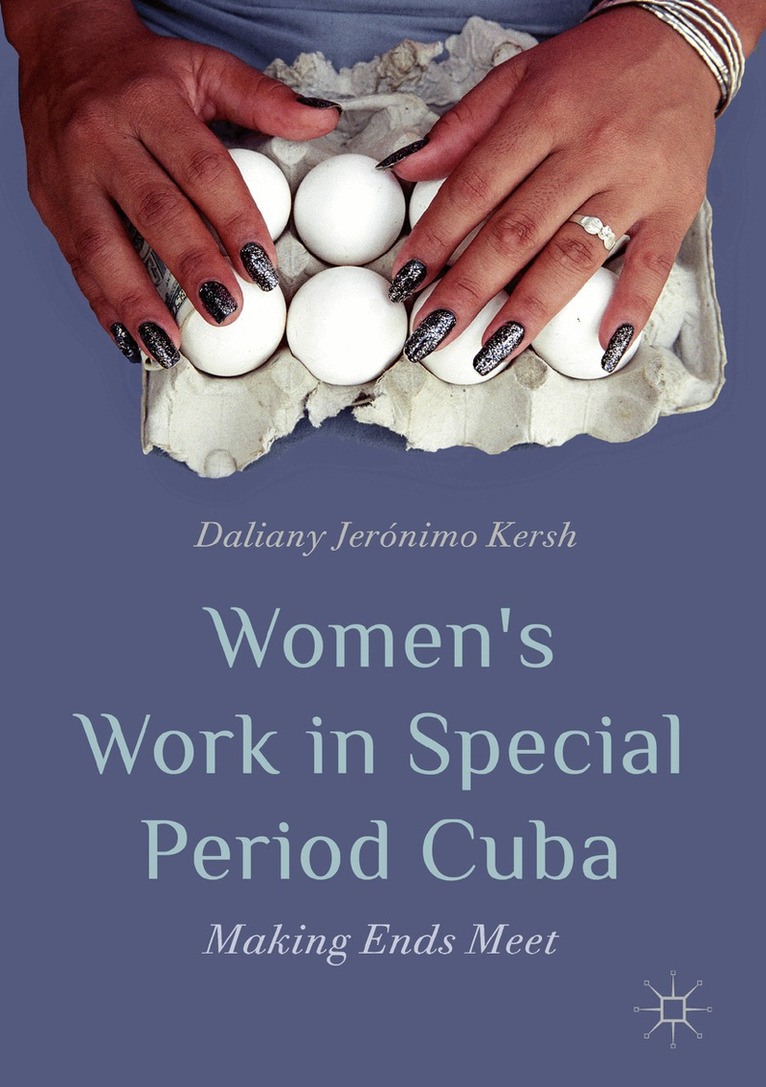
The abrupt loss of Soviet financial support in 1989 resulted in the near-collapse of the Cuban economy, ushering in the almost two decades of austerity measures and severe shortages of food and basic consumer goods referred to as the Special Period. Through the innovative framework of individual and collective memory, Daliany Jerónimo Kersh brings together analysis of press sources and oral histories to offer a compelling portrait of how Cuban women cleverly combined various forms of paid work to make ends meet. Disproportionately impacted by the economic crisis given their role as primary caregivers and household managers and unable to survive on devalued state salaries alone, women often employed informal and illegal earning strategies. As she argues, this regression into gendered work such as cooking, sewing, cleaning, reselling, and providing sexual services precipitated by the post-Soviet crisis to a large extent marked a return to pre-revolutionary gendered divisions of labor.
E-bok
Engelska, 20191 059 kr
Läs direkt efter köp
The abrupt loss of Soviet financial support in 1989 resulted in the near-collapse of the Cuban economy, ushering in the almost two decades of austerity measures and severe shortages of food and basic consumer goods referred to as the Special Period. Through the innovative framework of individual and collective memory, Daliany Jerónimo Kersh brings together analysis of press sources and oral histories to offer a compelling portrait of how Cuban women cleverly combined various forms of paid work to make ends meet. Disproportionately impacted by the economic crisis given their role as primary caregivers and household managers and unable to survive on devalued state salaries alone, women often employed informal and illegal earning strategies. As she argues, this regression into gendered work such as cooking, sewing, cleaning, reselling, and providing sexual services precipitated by the post-Soviet crisis to a large extent marked a return to pre-revolutionary gendered divisions of labor.
Inbunden, Engelska, 2027
1 126 kr
Kommande
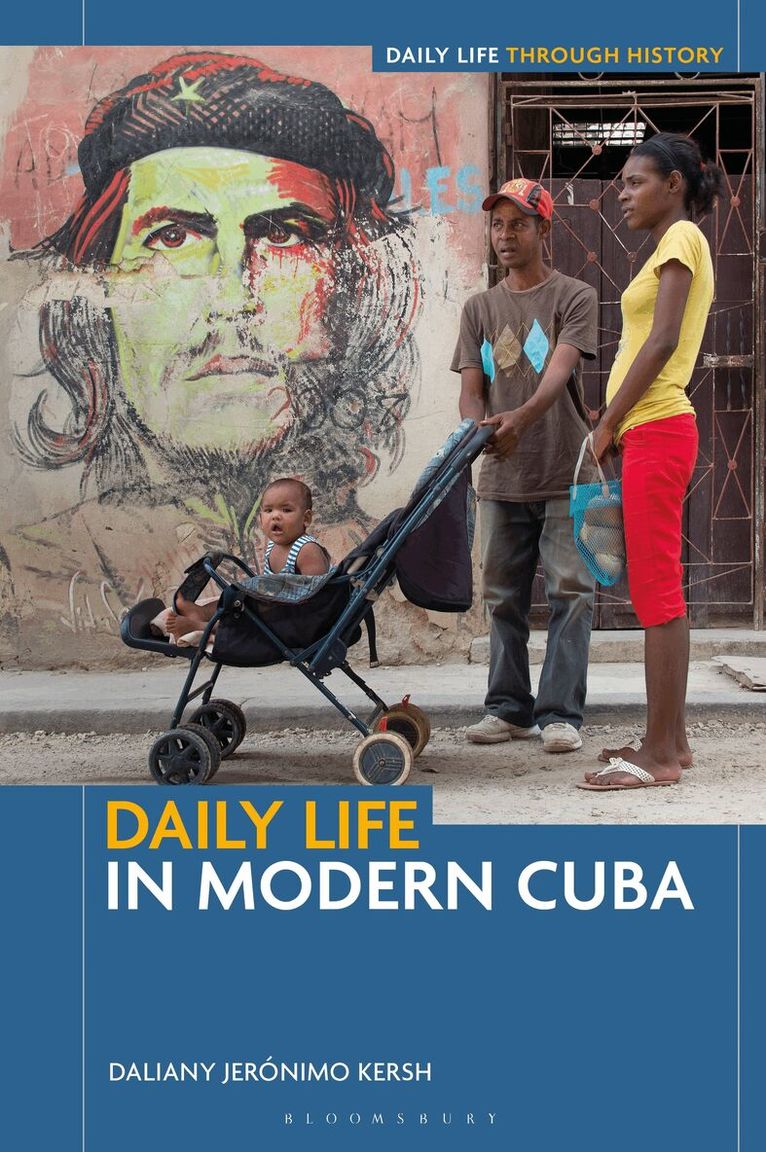
What does daily life in Cuba really look like? Spanning from the Revolution to the post-Special Period, this vivid, deeply-researched book explores how ordinary Cubans have lived, loved, worked, and adapted under decades of dramatic change.Offering a richly textured, on-the-ground exploration of what it has meant to live in Cuba, this book shows ordinary life from the revolutionary period to the present day. Moving beyond ideology and headlines, this book centers the voices and experiences of ordinary Cubans as they navigated shifting economic realities, political upheaval, cultural transformations, and global isolation.Spanning from the early years of the 1959 revolution through the crisis years of the Special Period (post-1989) and into the complexities of contemporary life—including the impacts of U.S. policy shifts, the COVID-19 pandemic, and digital globalization—the book explores the rhythms of everyday existence under a system unlike any other in the world. Through thematic chapters covering everything from economic and material life to race, gender, culture, and public institutions like healthcare and education, this book paints a nuanced portrait of Cuban society. It balances historical context with ethnographic richness, offering readers a grounded and compelling look at the resilience, creativity, and contradictions that define life on the island.