Dan Degerman – författare
Visar alla böcker från författaren Dan Degerman. Handla med fri frakt och snabb leverans.
7 produkter
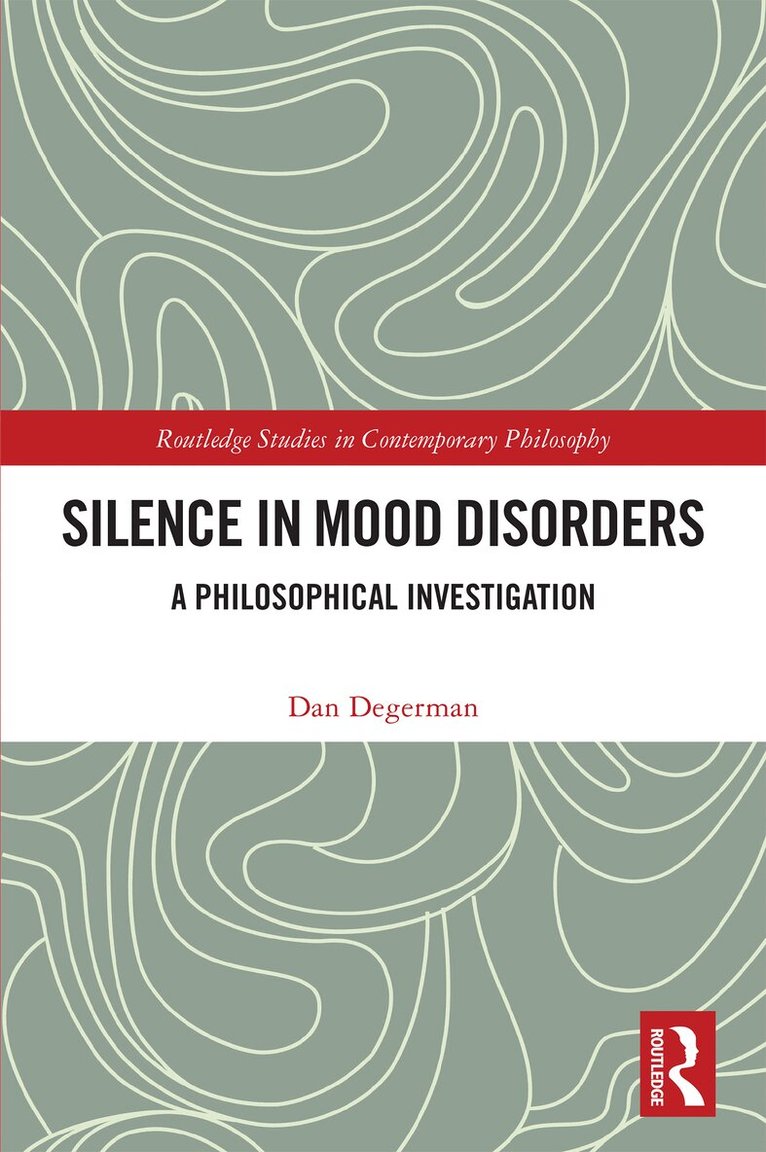
Silence in Mood Disorders
A Philosophical Investigation
Av Dan Degerman
Inbunden, 2026
2504 kr
Lägg i varukorg
We live in a society that valorises speech and treats silence as a harm to be broken. This assumption runs especially deep in mental health discourse, where silence is both medicalised — as a symptom and as a cause — and targeted by campaigns urging people to open up. Silence in Mood Disorders …
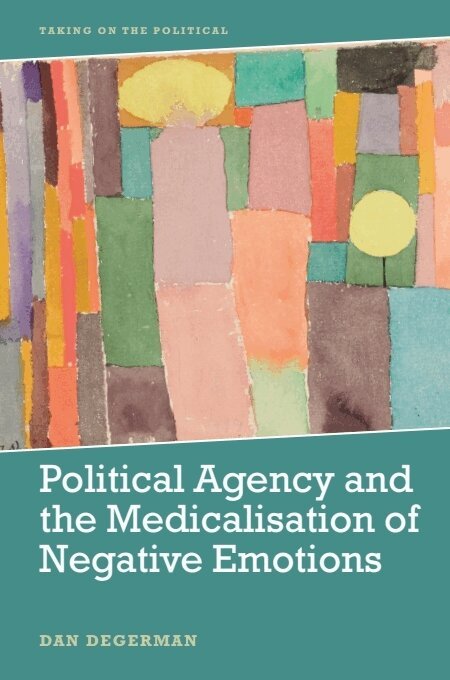
Political Agency and the Medicalisation of Negative Emotions
Av Dan Degerman
Inbunden, 2022
1229 kr
Lägg i varukorg
This book explores negative emotions like anger, fear and grief as important drivers of political action. It examines how treating these feelings as medical problems affects society. Drawing on the political thought of Hannah Arendt, the book develops an original understanding of political emotions …
Political Agency and the Medicalisation of Negative Emotions
Av Dan Degerman
Häftad, 2024
298 kr
Lägg i varukorg
This book explores negative emotions like anger, fear and grief as important drivers of political action. It examines how treating these feelings as medical problems affects society. Drawing on the political thought of Hannah Arendt, the book develops an original understanding of political emotions …
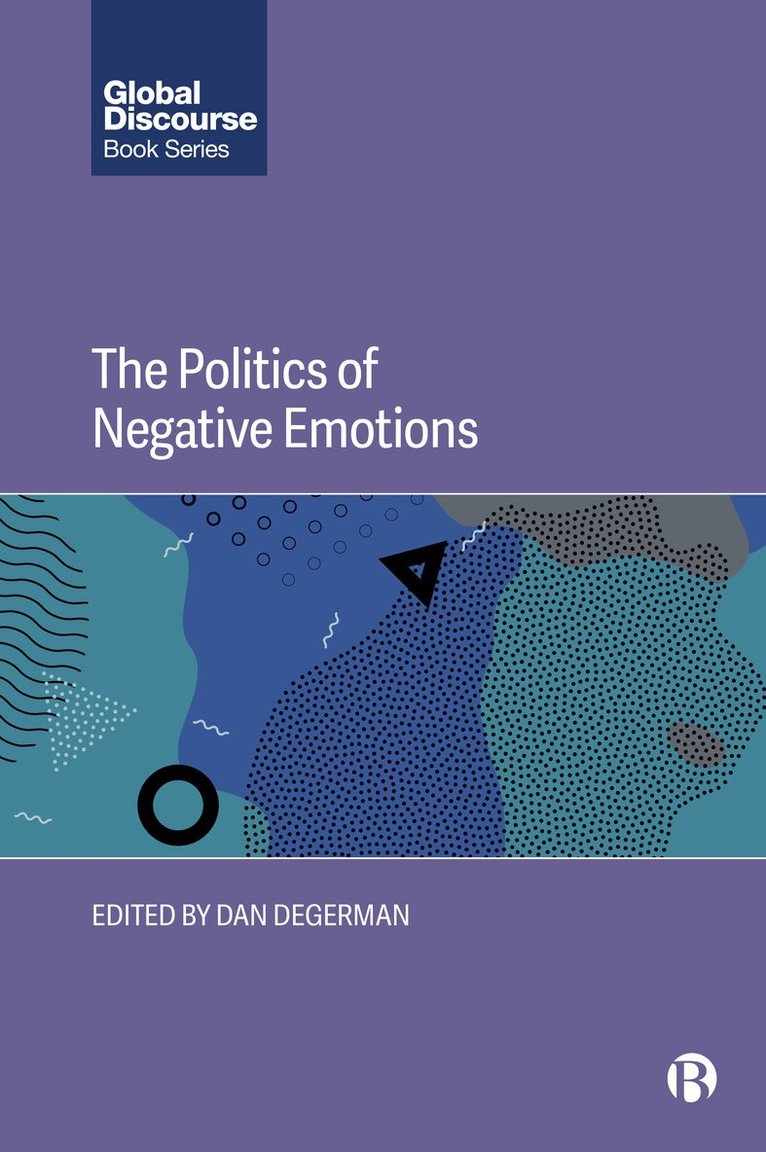
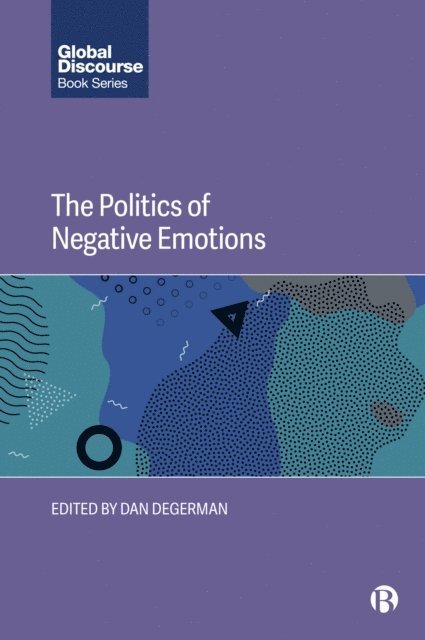
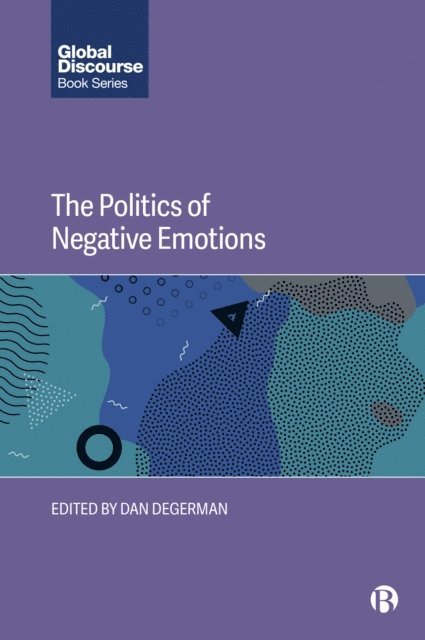
Politics of Negative Emotions
Av Dan Degerman
Inbunden, 2023
1133 kr
Lägg i varukorg
Negative emotions, including anger, fear, and shame, have been at the heart of recent political events, such as the protests against COVID-19 restrictions. These negative emotions can be politically destructive, leading people to act rashly without due concern for democratic principles. However, …
Politics of Negative Emotions
Av Dan Degerman
E-bok, 2023
457 kr
Lägg i varukorg
Negative emotions, including anger, fear, and shame, have been at the heart of recent political events, such as the protests against COVID-19 restrictions. These negative emotions can be politically destructive, leading people to act rashly without due concern for democratic principles. However, …
Politics of Negative Emotions
Av Dan Degerman
E-bok, 2023
1583 kr
Lägg i varukorg
Negative emotions, including anger, fear, and shame, have been at the heart of recent political events, such as the protests against COVID-19 restrictions. These negative emotions can be politically destructive, leading people to act rashly without due concern for democratic principles. However, …
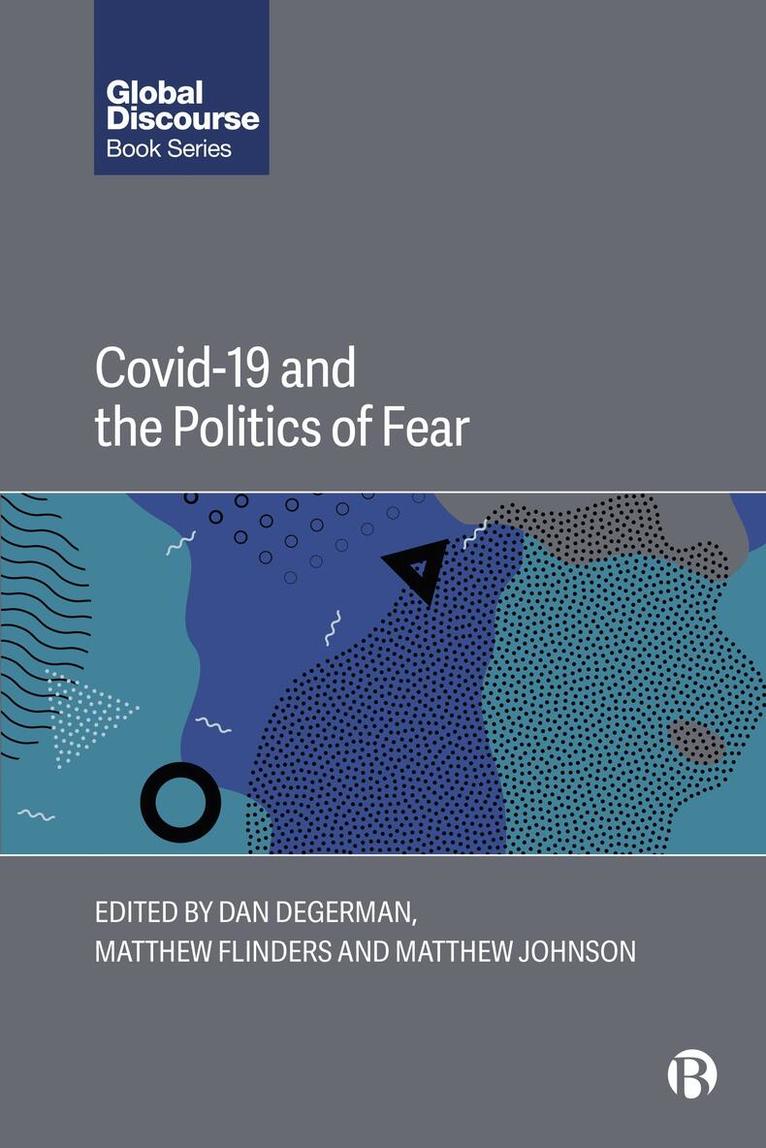
COVID-19 and the Politics of Fear
Av Dan Degerman, Matthew Flinders m. fl.
Inbunden, 2024
1193 kr
Lägg i varukorg
The COVID-19 pandemic thrust fear into the heart of political debate and policy making. In the wake of the pandemic, it is critical to clarify the role of fear in these processes to avoid repeating past mistakes and to learn crucial lessons for future crises. This book draws on case studies from …