Daniel Pape - Böcker
Visar alla böcker från författaren Daniel Pape. Handla med fri frakt och snabb leverans.
4 produkter
4 produkter
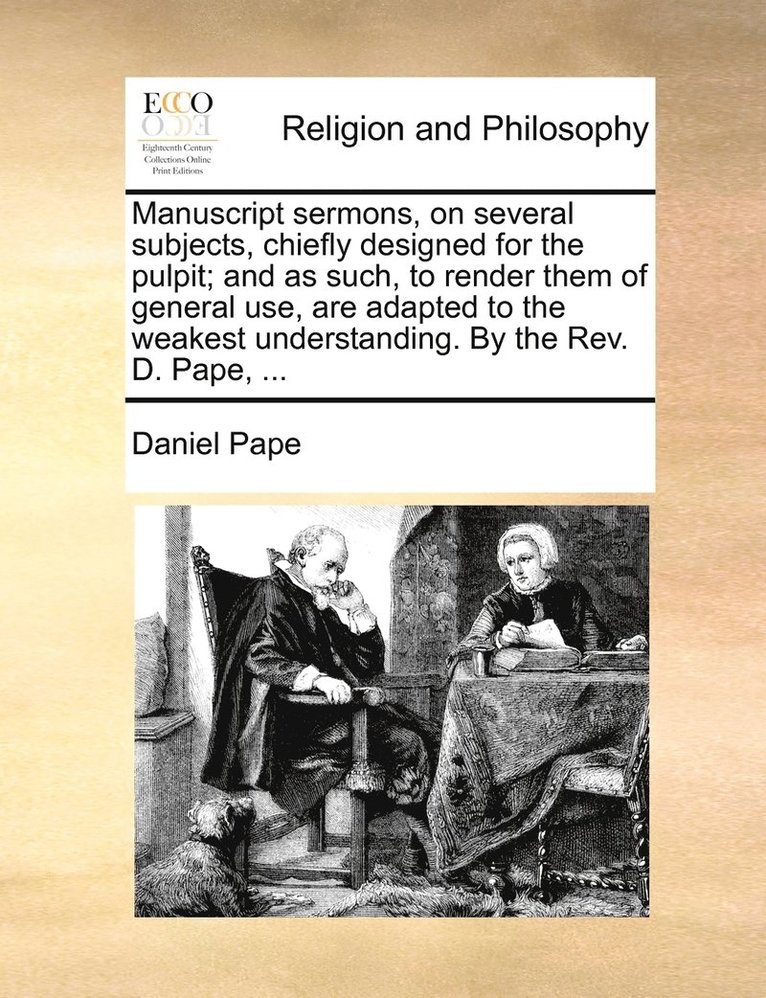
Manuscript sermons, on several subjects, chiefly designed for the pulpit; and as such, to render them of general use, are adapted to the weakest understanding. By the Rev. D. Pape, ...
Häftad, Engelska, 2010
353 kr
Skickas inom 5-8 vardagar
Manuscript Sermons, on Several Subjects, Chiefly Designed for the Pulpit; and as Such, to Render Them of General use, are Adapted to the Weakest Understanding. By the Rev. D. Pape,
Inbunden, Engelska, 2018
475 kr
Skickas inom 5-8 vardagar
591 kr
Tillfälligt slut
What do we do when we are about to utter speech? On which linguistic units do we rely? How do these units evolve from childhood to adulthood, or across time for a given language? How do we assemble these units under the influences of syntactic, phonological and prosodic rules? Do we plan the whole sequence at once? Do we plan the movements of the tongue, jaw, and lips underlying speech in the same way that we plan other movements? What tools have scientists developed to investigate these questions using observation of articulatory and acoustic signals? This book addresses these issues in eight chapters. Written by specialists in the field, these chapters provide the readers with a large overview of the literature, and illustrate the research challenges using selected examples of experimental studies.
Del 3 - Speech Production and Perception
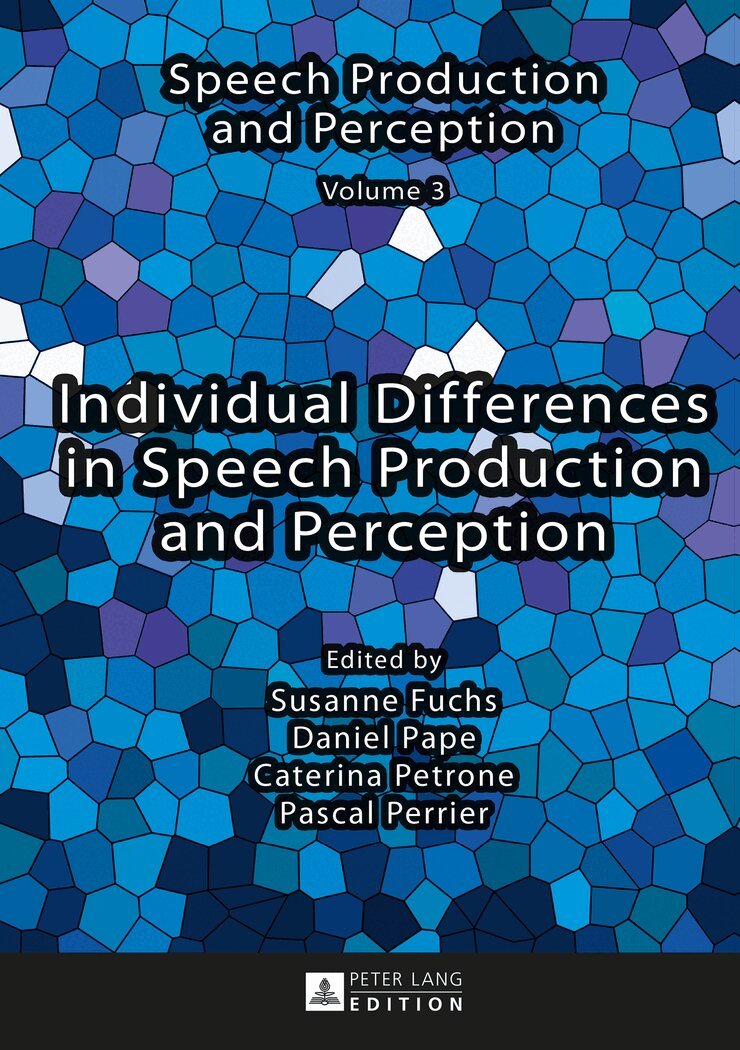
Individual Differences in Speech Production and Perception
Inbunden, Engelska, 2015
838 kr
Skickas inom 5-8 vardagar
Inter-individual variation in speech is a topic of increasing interest both in human sciences and speech technology. It can yield important insights into biological, cognitive, communicative, and social aspects of language. Written by specialists in psycholinguistics, phonetics, speech development, speech perception and speech technology, this volume presents experimental and modeling studies that provide the reader with a deep understanding of interspeaker variability and its role in speech processing, speech development, and interspeaker interactions. It discusses how theoretical models take into account individual behavior, explains why interspeaker variability enriches speech communication, and summarizes the limitations of the use of speaker information in forensics.