Daniel Snowman – författare
Visar alla böcker från författaren Daniel Snowman. Handla med fri frakt och snabb leverans.
7 produkter
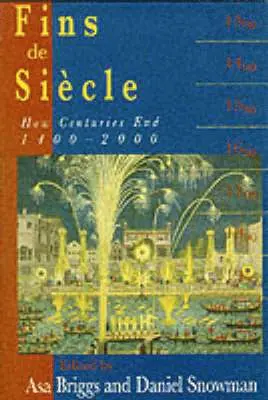
Fins de Siécle
How Centuries End, 1400-200
Häftad, 2000
197 kr
Lägg i varukorg
As we approach the new millennium, we find ourselves reassessing the past and looking forward to the future. Has the prospect of a new century always provided a "sense of an ending"? In this timely and stimulating book, experts on every century since the fourteenth each explore the characteristics …
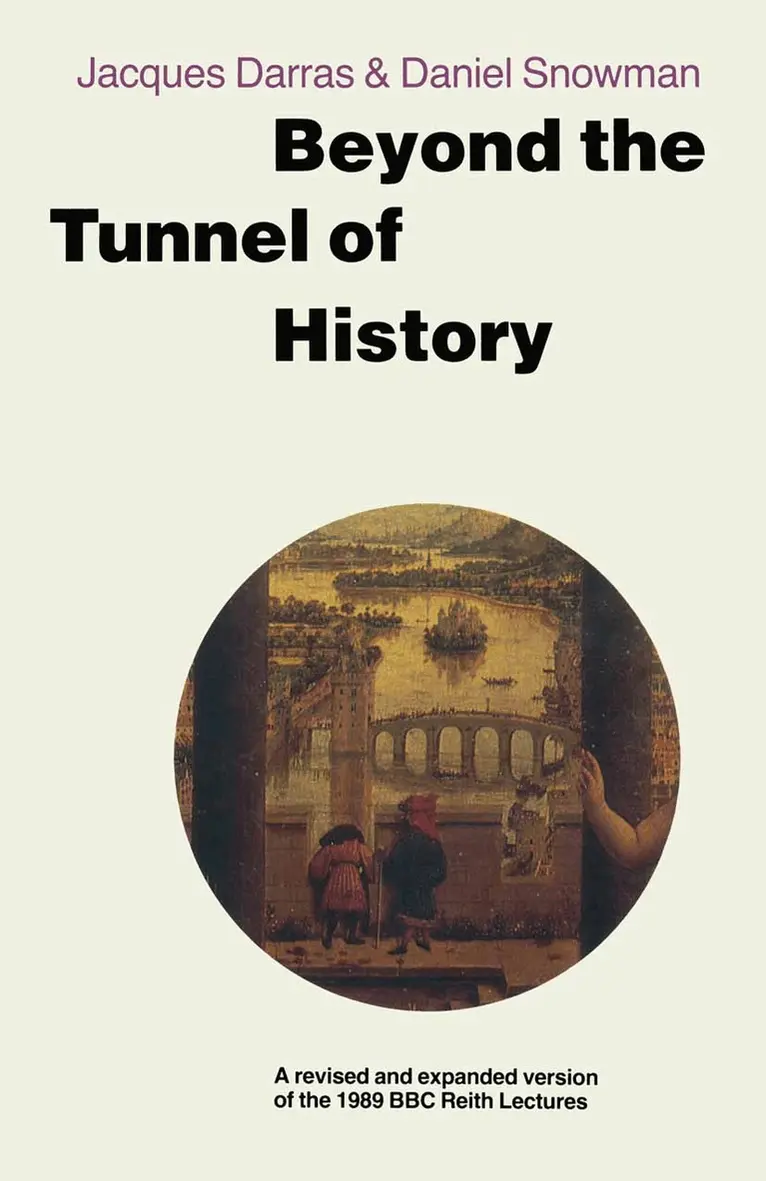
Beyond the Tunnel of History
A Revised and Expanded Version of the 1989 BBC Reith Lectures
Av Jacques Darras, Daniel Snowman
Häftad, 1990
508 kr
Lägg i varukorg
A revised and expanded version of the 1989 BBC Reith lectures. Other work by the author includes "Arpentage de la poesie contemporaine", and "Conrad and the West". Other work by the editor includes "America since 1920" and "Kissing cousins: an interpretation of British and American culture".
Beyond the Tunnel of History
A Revised and Expanded Version of the 1989 BBC Reith Lectures
Av Jacques Darras, Daniel Snowman
E-bok, 1990
675 kr
Lägg i varukorg
A revised and expanded version of the 1989 BBC Reith lectures. Other work by the author includes "Arpentage de la poesie contemporaine", and "Conrad and the West". Other work by the editor includes "America since 1920" and "Kissing cousins: an interpretation of British and American culture".
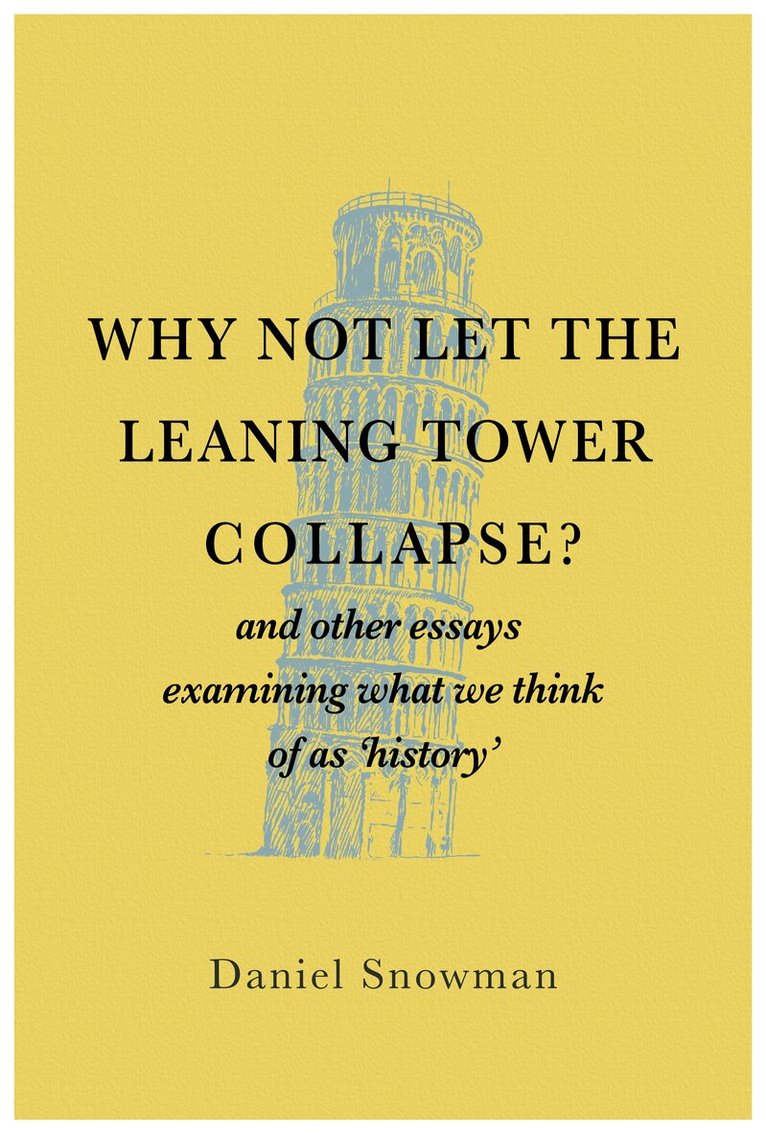
Why Not Let the Leaning Tower Collapse?
and other essays examining what we think of as 'history'
Häftad, 2024
135 kr
Lägg i varukorg
Daniel Snowman is a social and cultural historian. His latest book is a collection of some of the more provocative essays he has published over many decades that examine how we use and abuse ‘history’. If the past is everything that has ever happened, he asks, why does what we call ‘history’ keep …
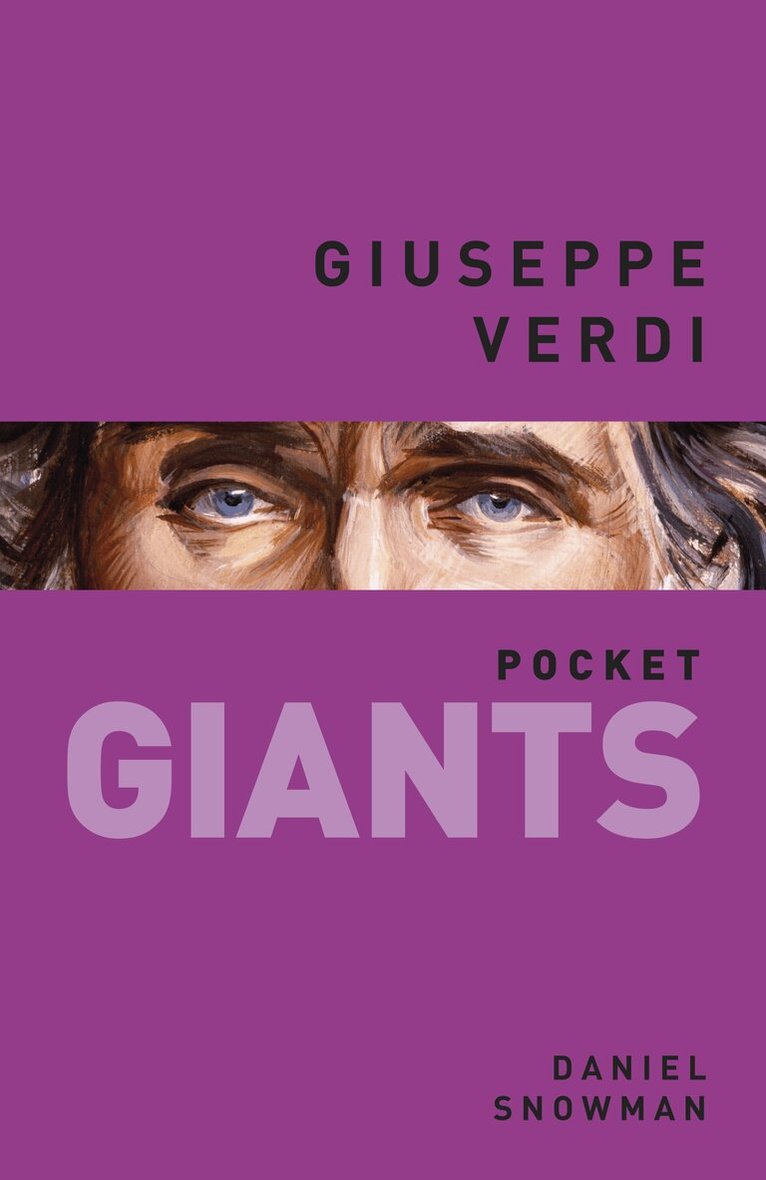
Giuseppe Verdi: pocket GIANTS
Häftad, 2014
90 kr
Tillfälligt slut
Giuseppe Verdi (1813–1901) was the Shakespeare of opera, the composer of Rigoletto, Il Trovatore, La Traviata, Aida and Otello. The Chorus of Hebrew slaves from Nabucco (1842) is regarded in Italy as virtually an alternative national anthem – and the great tragedian rounded off his career fifty …
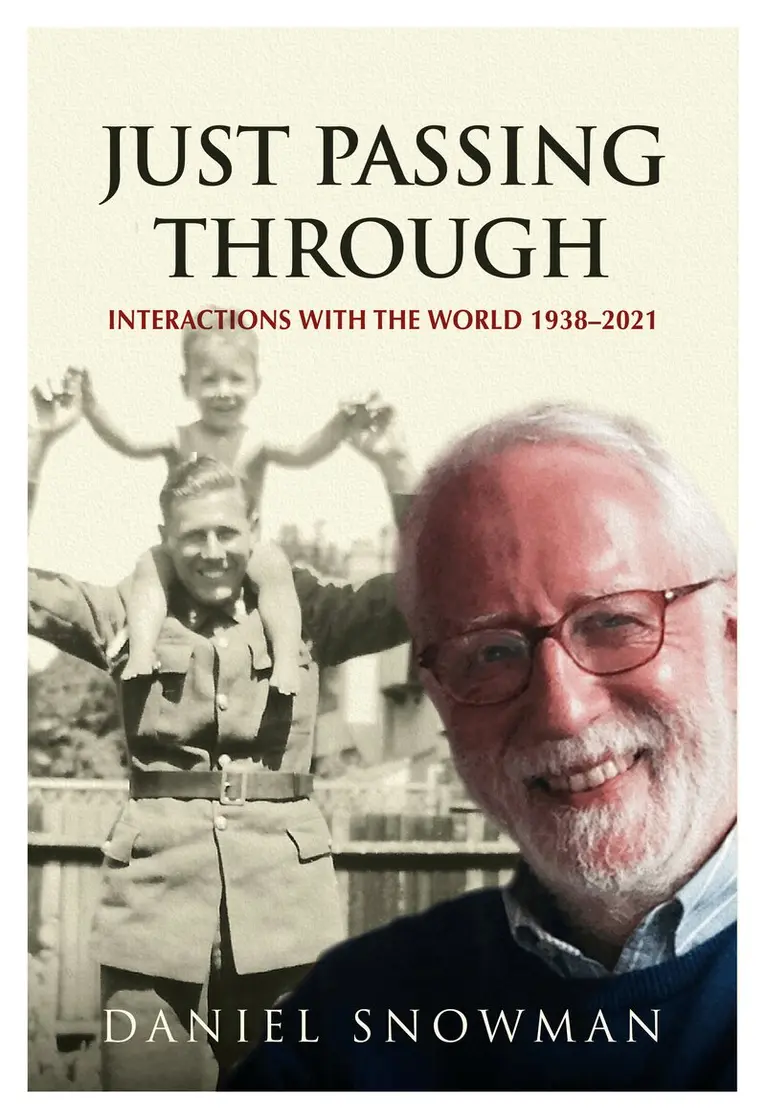
Just Passing Through
Interactions with the World 1938 - 2021
Häftad, 2021
176 kr
Tillfälligt slut
Historian and author Daniel Snowman (b. 1938) writes of a Jewish child's memories of the War, gives colourful inside accounts of life in Cambridge, JFK's America (including Civil Rights) and the new University of Sussex, of the BBC in its heyday, choral concerts under the world's top conductors and …
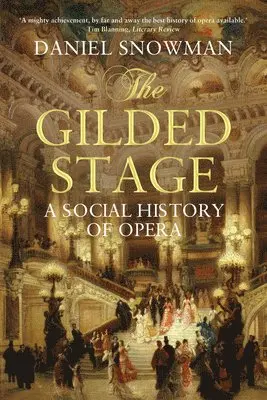
Gilded Stage
A Social History of Opera
Häftad, 2010
313 kr
Tillfälligt slut
The Gilded Stage is a comprehensive tour of the world of opera. From its origins in the courts of northern Italy, to its internationally recognised position in modern culture, Snowman explores the social history of opera houses and impresarios, composers and patrons, artists and audiences. Even the …