
Dariusz BrzeziA„ski – författare
779 kr
Läs direkt efter köp
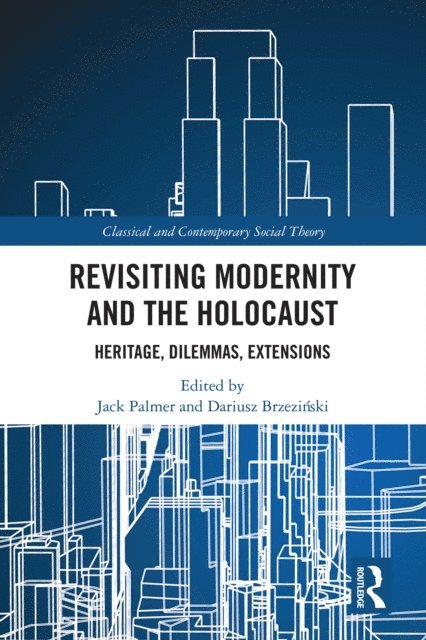
Zygmunt Bauman’s Modernity and the Holocaust is a decisive text of intellectual reflection after Auschwitz, in which Bauman rejected the idea that the Holocaust represented the polar opposite of modernity and saw it instead as its dark potentiality. Bringing together leading scholars from across disciplines, this volume offers the first set of focused and critical commentaries on this classic work of social theory, evaluating its ongoing contribution to scholarship in the social sciences and humanities. Addressing the core messages of Modernity and the Holocaust that continue to sound amidst the convulsions of the present, the chapters situate Bauman’s volume in the social, cultural and academic context of its genesis, and considers its role in the complex processes of Holocaust memorialisation. Offering extensions of Bauman’s thesis to lesser-known and undertheorised events of mass violence, and also considering the significance of Janina Bauman’s writings in their own right, this volume will appeal to scholars of sociology, intellectual history, Holocaust and genocide studies, moral philosophy, memory studies and cultural theory.
779 kr
Läs direkt efter köp
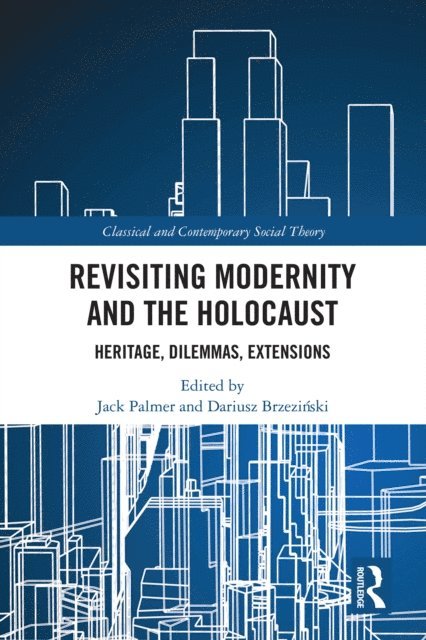
Zygmunt Bauman’s Modernity and the Holocaust is a decisive text of intellectual reflection after Auschwitz, in which Bauman rejected the idea that the Holocaust represented the polar opposite of modernity and saw it instead as its dark potentiality. Bringing together leading scholars from across disciplines, this volume offers the first set of focused and critical commentaries on this classic work of social theory, evaluating its ongoing contribution to scholarship in the social sciences and humanities. Addressing the core messages of Modernity and the Holocaust that continue to sound amidst the convulsions of the present, the chapters situate Bauman’s volume in the social, cultural and academic context of its genesis, and considers its role in the complex processes of Holocaust memorialisation. Offering extensions of Bauman’s thesis to lesser-known and undertheorised events of mass violence, and also considering the significance of Janina Bauman’s writings in their own right, this volume will appeal to scholars of sociology, intellectual history, Holocaust and genocide studies, moral philosophy, memory studies and cultural theory.
745 kr
Läs direkt efter köp
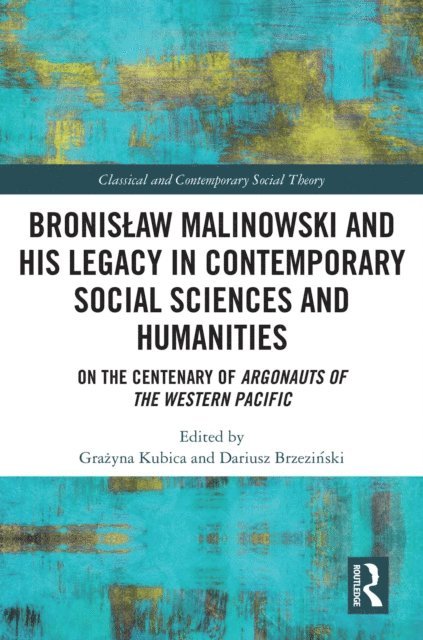
As one of the most renowned figures in the history of anthropology, Bronisław Malinowski is recognised as having been central to the development of the discipline, with interpretations of his thought usually drawing attention to his work in founding the approach of functionalism and his innovative method of intensive field research. This book offers a decisive extension of Malinowski’s achievement, referring to the accomplishments of present‑day social sciences and humanities and the debts that they owe to Malinowksi’s oeuvre.
Bringing together eminent scholars in such fields as social anthropology, sociology, law, cultural studies, literary and theatre studies, and art history, this book emphasises the importance of Malinowski’s theoretical and methodological insights as a treasure trove of inspiration for contemporary researchers.
A critical commentary on the life, work, and legacy of Bronisłw Malinowski, it sheds light on his academic work, while personal documents, many of which are not well known – or are completely unknown – in the Anglophone sphere, prove their fundamental importance for understanding his oeuvre, and the intellectual connections between his work and the work of other most prominent intellectuals of the 20th and 21st centuries. It will therefore appeal to scholars across the social sciences and humanities with interests in the history of anthropology and sociology and fundamental questions of theory and research methodology.
745 kr
Läs direkt efter köp
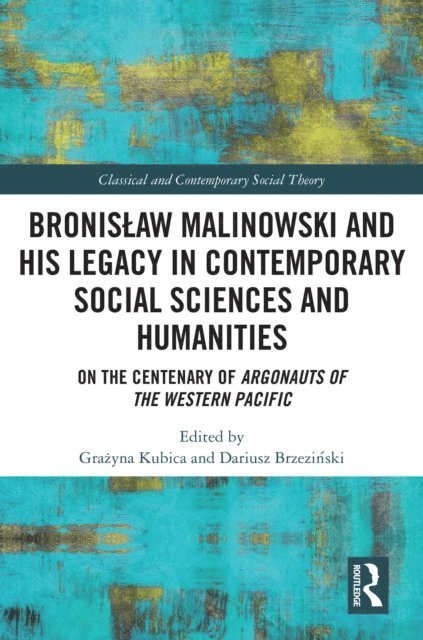
As one of the most renowned figures in the history of anthropology, Bronisław Malinowski is recognised as having been central to the development of the discipline, with interpretations of his thought usually drawing attention to his work in founding the approach of functionalism and his innovative method of intensive field research. This book offers a decisive extension of Malinowski’s achievement, referring to the accomplishments of present‑day social sciences and humanities and the debts that they owe to Malinowksi’s oeuvre.
Bringing together eminent scholars in such fields as social anthropology, sociology, law, cultural studies, literary and theatre studies, and art history, this book emphasises the importance of Malinowski’s theoretical and methodological insights as a treasure trove of inspiration for contemporary researchers.
A critical commentary on the life, work, and legacy of Bronisłw Malinowski, it sheds light on his academic work, while personal documents, many of which are not well known – or are completely unknown – in the Anglophone sphere, prove their fundamental importance for understanding his oeuvre, and the intellectual connections between his work and the work of other most prominent intellectuals of the 20th and 21st centuries. It will therefore appeal to scholars across the social sciences and humanities with interests in the history of anthropology and sociology and fundamental questions of theory and research methodology.