Darja Zaviršek – författare
Visar alla böcker från författaren Darja Zaviršek. Handla med fri frakt och snabb leverans.
4 produkter
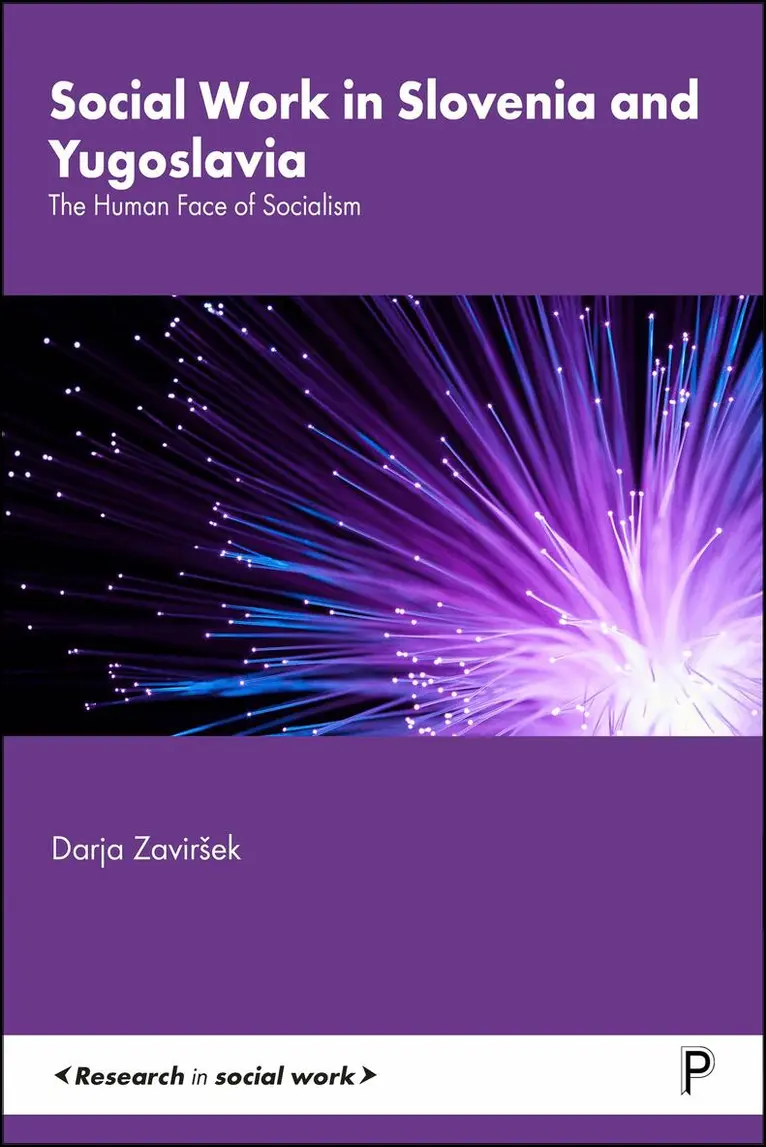
Social Work in Slovenia and Yugoslavia
The Human Face of Socialism
Inbunden, 2027
1644 kr
Kommande
What did social work look like under European state socialism – and what can this history teach us today? Darja Zaviršek, the leading scholar on the history of social work in Slovenia and the former socialist countries, uncovers how the profession developed between 1945 and 1990. Drawing on a …
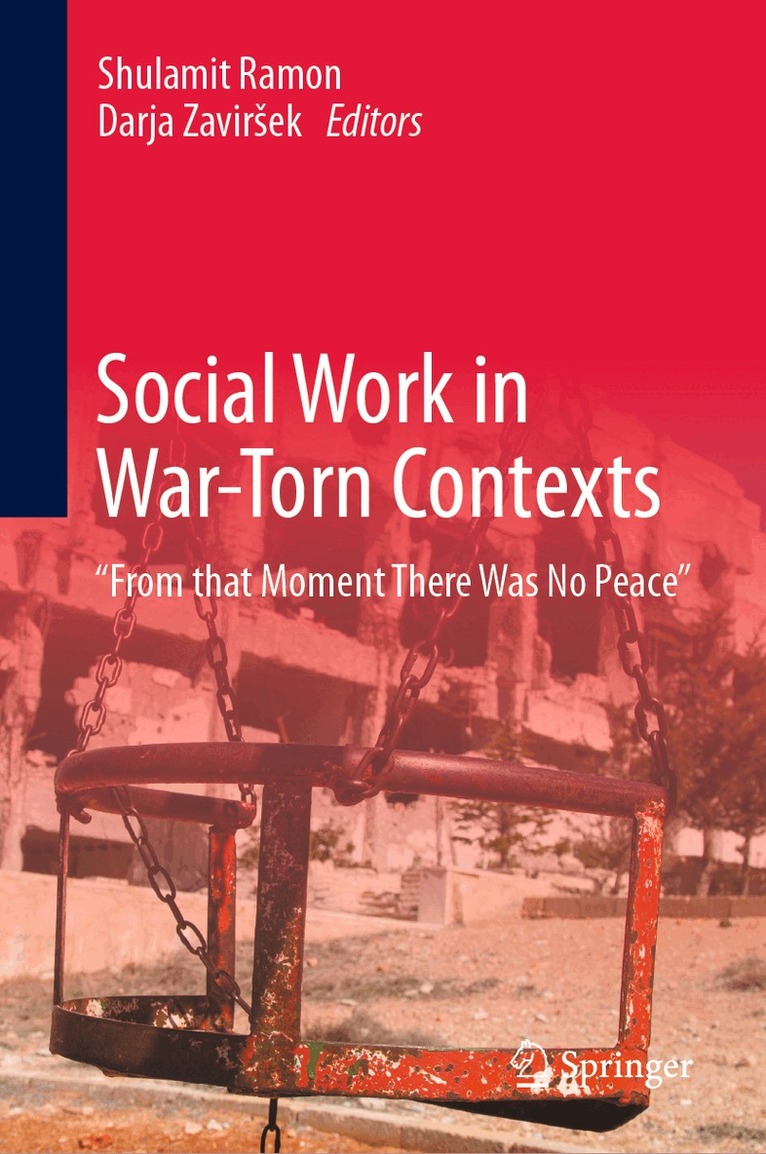
Social Work in War-Torn Contexts
“From that Moment There Was No Peace”
Av Shulamit Ramon, Darja Zaviršek
Inbunden, 2025
1464 kr
Lägg i varukorg
This book provides a wide-ranging exposure of current developments related to war-torn contexts, post-war societies and social work approaches as well as analysis of the key issues facing social work in war contexts. The topic is timely due to the increased number of armed political conflicts; the …
Social Work in War-Torn Contexts
"e;From that Moment There Was No Peace"e;
Av Darja Zavirsek, Shulamit Ramon
E-bok, 2025
1838 kr
Lägg i varukorg
This book provides a wide-ranging exposure of current developments related to war-torn contexts, post-war societies and social work approaches as well as analysis of the key issues facing social work in war contexts. The topic is timely due to the increased number of armed political conflicts; the …
Social Work in War-Torn Contexts
“From that Moment There Was No Peace”
Av Shulamit Ramon, Darja Zaviršek
Häftad, 2026
1128 kr
Lägg i varukorg
This book provides a wide-ranging exposure of current developments related to war-torn contexts, post-war societies and social work approaches as well as analysis of the key issues facing social work in war contexts. The topic is timely due to the increased number of armed political conflicts; the …