
David A. Michelson – författare
Visar alla böcker från författaren . Handla med fri frakt och snabb leverans.
5 produkter
5 produkter
E-bok
PDF, Engelska, 20141 545 kr
Läs direkt efter köp
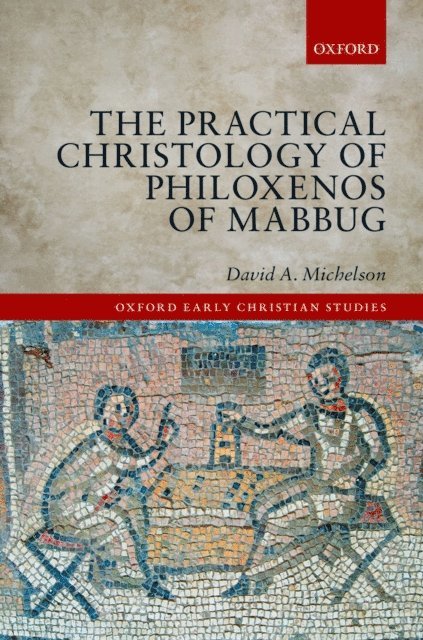
Philoxenos of Mabbug (c. 440-523) was a prolific late-antique theologian and polemicist who produced the largest literary corpus to have survived in Syriac. He earned a reputation as the leading Syriac opponent of the Council of Chalcedon (451) and its two-nature Christology. In The Practical Christology of Philoxenos of Mabbug, David A. Michelson offers a new understanding of Philoxenos one-nature Christology by interpreting the post-Chalcedonian doctrinaldisputes through a holistic analysis of Philoxenos life and works. Michelson''s close reading of the entire Philoxenian corpus reveals a miaphysite perspective on the Christological controversies in which the intellectual clash was not primarily over defining doctrine. As a metropolitan bishop, sponsor of arevised New Testament, and monastic theologian, Philoxenos was principally concerned with matters of Christian praxis and the ascetic pursuit of divine knowledge. This book shows how he opposed Chalcedonian Christology because he was convinced its intellectual theological method was inimical to the mystical pursuit of divine knowledge through liturgical and ascetic practice. Philoxenos polemical engagement drew upon a theological epistemology that he had adapted from Pro-Nicene theologiansincluding Ephrem, the Cappadocians, and Evagrius. Philoxenos argued that divine knowledge was not to be achieved through human understanding or doctrinal inquiry. Instead, true divine knowledge was attained through practice, specifically contemplation, reading of scripture, participation in theliturgical mysteries, and ascetic discipline. Michelson considers each of these practices in turn to show how Philoxenos thought of opposition to Chalcedon as part of a larger vision of ascetic and spiritual struggle. In short, for Philoxenos conflict over Christology was foremost a practical matter.
E-bok
PDF, Engelska, 20221 367 kr
Läs direkt efter köp
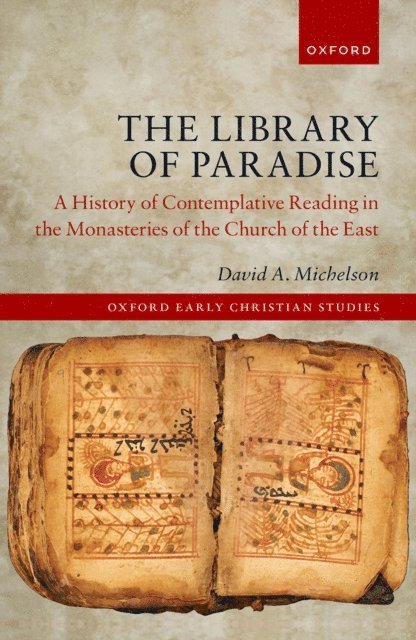
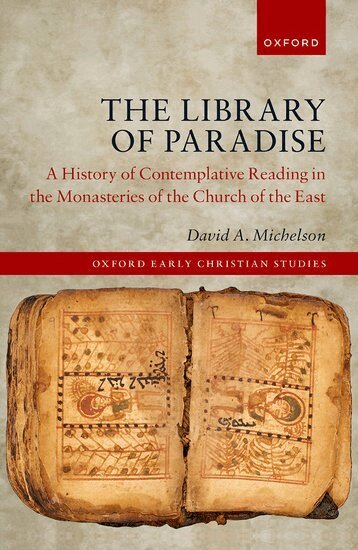
Contemplative reading is a spiritual practice developed by Christian monks in sixth- and seventh-century Mesopotamia. Mystics belonging to the Church of the East pursued a form of contemplation which moved from reading, to meditation, to prayer, to the ecstasy of divine vision. The Library of Paradise tells the story of this Syriac tradition in three phases: its establishment as an ascetic practice, the articulation of its theology, and its maturation and spread. The sixth-century monastic reform of Abraham of Kashkar codified the essential place of reading in East Syrian ascetic life. Once established, the practice of contemplative reading received extensive theological commentary. Abraham''s successor Babai the Great drew upon the ascetic system of Evagrius of Pontus to explain the relationship of reading to the monk''s pursuit of God. Syriac monastic handbooks of the seventh century built on this Evagrian framework. ''Enanisho'' of Adiabene composed an anthology called Paradise that would stand for centuries as essential reading matter for Syriac monks. Dadisho'' of Qatar wrote a widely copied commentary on the Paradise. Together, these works circulated as a one-volume library which offered readers a door to "Paradise" through contemplation. The Library of Paradise is the first book-length study of East Syrian contemplative reading. It adapts methodological insights from prior scholarship on reading, including studies on Latin lectio divina. By tracing the origins of East Syrian contemplative reading, this study opens the possibility for future investigation into its legacies, including the tradition''s long reception history in Sogdian, Arabic, and Ethiopic monastic libraries.
E-bok
Engelska, 20221 367 kr
Läs direkt efter köp
Contemplative reading is a spiritual practice developed by Christian monks in sixth- and seventh-century Mesopotamia. Mystics belonging to the Church of the East pursued a form of contemplation which moved from reading, to meditation, to prayer, to the ecstasy of divine vision. The Library of Paradise tells the story of this Syriac tradition in three phases: its establishment as an ascetic practice, the articulation of its theology, and its maturation and spread. The sixth-century monastic reform of Abraham of Kashkar codified the essential place of reading in East Syrian ascetic life. Once established, the practice of contemplative reading received extensive theological commentary. Abraham''s successor Babai the Great drew upon the ascetic system of Evagrius of Pontus to explain the relationship of reading to the monk''s pursuit of God. Syriac monastic handbooks of the seventh century built on this Evagrian framework. ''Enanisho'' of Adiabene composed an anthology called Paradise that would stand for centuries as essential reading matter for Syriac monks. Dadisho'' of Qatar wrote a widely copied commentary on the Paradise. Together, these works circulated as a one-volume library which offered readers a door to "Paradise" through contemplation. The Library of Paradise is the first book-length study of East Syrian contemplative reading. It adapts methodological insights from prior scholarship on reading, including studies on Latin lectio divina. By tracing the origins of East Syrian contemplative reading, this study opens the possibility for future investigation into its legacies, including the tradition''s long reception history in Sogdian, Arabic, and Ethiopic monastic libraries.
Inbunden, Engelska, 2014
2 411 kr
Skickas inom 5-8 vardagar
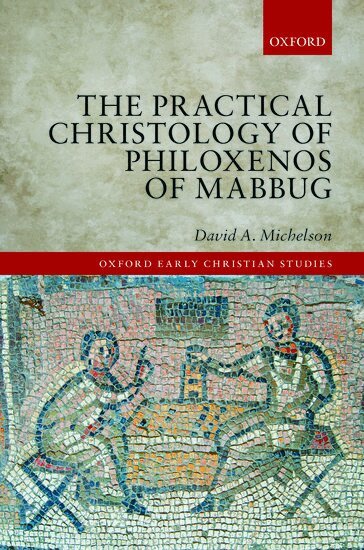
Philoxenos of Mabbug (c. 440-523) was a prolific late-antique theologian and polemicist who produced the largest literary corpus to have survived in Syriac. He earned a reputation as the leading Syriac opponent of the Council of Chalcedon (451) and its two-nature Christology. In The Practical Christology of Philoxenos of Mabbug, David A. Michelson offers a new understanding of Philoxenos one-nature Christology by interpreting the post-Chalcedonian doctrinal disputes through a holistic analysis of Philoxenos life and works. Michelson's close reading of the entire Philoxenian corpus reveals a miaphysite perspective on the Christological controversies in which the intellectual clash was not primarily over defining doctrine. As a metropolitan bishop, sponsor of a revised New Testament, and monastic theologian, Philoxenos was principally concerned with matters of Christian praxis and the ascetic pursuit of divine knowledge. This book shows how he opposed Chalcedonian Christology because he was convinced its intellectual theological method was inimical to the mystical pursuit of divine knowledge through liturgical and ascetic practice. Philoxenos polemical engagement drew upon a theological epistemology that he had adapted from Pro-Nicene theologians including Ephrem, the Cappadocians, and Evagrius. Philoxenos argued that divine knowledge was not to be achieved through human understanding or doctrinal inquiry. Instead, true divine knowledge was attained through practice, specifically contemplation, reading of scripture, participation in the liturgical mysteries, and ascetic discipline. Michelson considers each of these practices in turn to show how Philoxenos thought of opposition to Chalcedon as part of a larger vision of ascetic and spiritual struggle. In short, for Philoxenos conflict over Christology was foremost a practical matter.
Inbunden, Engelska, 2022
2 035 kr
Skickas inom 3-6 vardagar
Contemplative reading is a spiritual practice developed by Christian monks in sixth- and seventh-century Mesopotamia. Mystics belonging to the Church of the East pursued a form of contemplation which moved from reading, to meditation, to prayer, to the ecstasy of divine vision. The Library of Paradise tells the story of this Syriac tradition in three phases: its establishment as an ascetic practice, the articulation of its theology, and its maturation and spread. The sixth-century monastic reform of Abraham of Kashkar codified the essential place of reading in East Syrian ascetic life. Once established, the practice of contemplative reading received extensive theological commentary. Abraham's successor Babai the Great drew upon the ascetic system of Evagrius of Pontus to explain the relationship of reading to the monk's pursuit of God. Syriac monastic handbooks of the seventh century built on this Evagrian framework. 'Enanisho' of Adiabene composed an anthology called Paradise that would stand for centuries as essential reading matter for Syriac monks. Dadisho' of Qatar wrote a widely copied commentary on the Paradise. Together, these works circulated as a one-volume library which offered readers a door to "Paradise" through contemplation. The Library of Paradise is the first book-length study of East Syrian contemplative reading. It adapts methodological insights from prior scholarship on reading, including studies on Latin lectio divina. By tracing the origins of East Syrian contemplative reading, this study opens the possibility for future investigation into its legacies, including the tradition's long reception history in Sogdian, Arabic, and Ethiopic monastic libraries.