This exploration of Petrit Halilaj’s site-specific installation reflects the artist’s personal experience as a refugee of war and the universal hopes and fears captured in children’s drawings Kosovar artist Petrit Halilaj (born 1986, Kostërc, former Yugoslavia) creates complex, immersive installations that claim space for freedom, desire, intimacy, and identity while expressing his wish to alter the course of personal and collective histories. In his first major outdoor installation, the artist reflects on his experience as a refugee and explores the intersection of reality and fantasy through the rich world of children’s drawings. This volume examines Halilaj’s inspiration for the work in found inscriptions, carvings, and scribbles collected from desks at his former primary school and other schools in Eastern Europe—a record of young people’s fantasies, fears, and private messages conveyed in many languages. An interview with Halilaj connects his practice with those of artists such as Louise Bourgeois and Julio González, situates this project within his broader career, and considers how memory, identity, and history present in his work. This publication reveals his new installation to be at once a story of children in a time and place marked by social and political conflict and a universal reflection on youthful imagination, hopes, yearnings, anxieties, and dreams.Published by The Metropolitan Museum of Art/Distributed by Yale University PressExhibition schedule:The Metropolitan Museum of Art, New York(April 30–October 27, 2024)
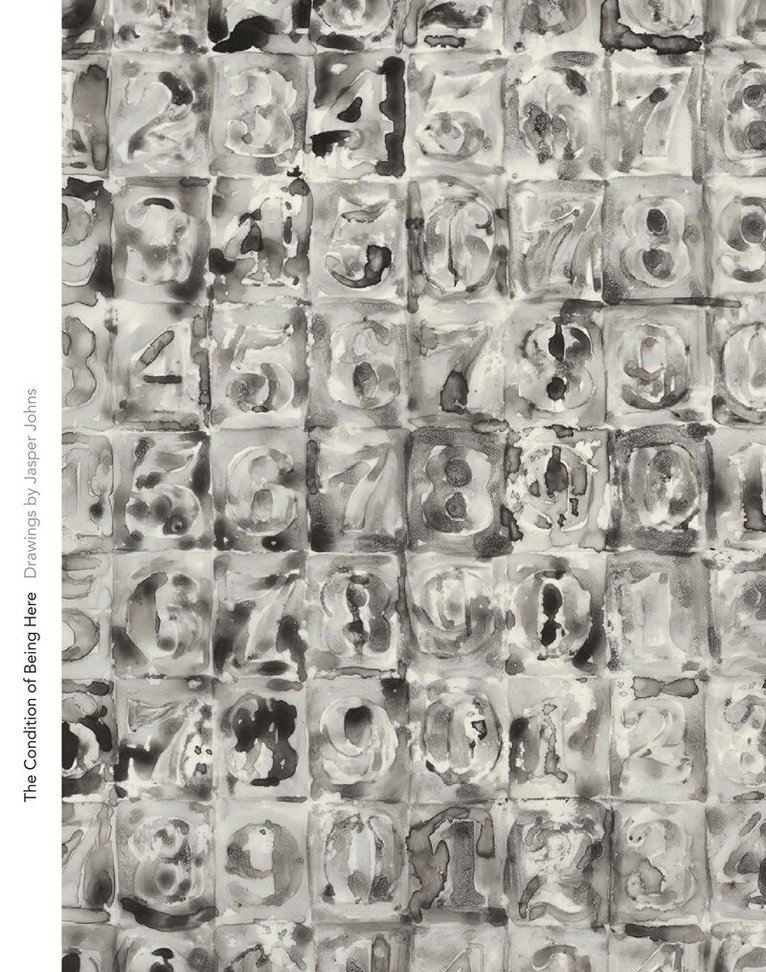
Arguably the most important living artist in America, Jasper Johns (b. 1930) has been a leading advocate of drawing as an artistic genre in its own right, not just a preparatory medium for other works. This catalogue brings together 41 of Johns’s drawings, spanning more than 60 years of his illustrious career and, beginning in 1954, the origin of his mature practice. It encompasses his most famous recurring motifs, including flags, targets, and numbers, and an essay by David Breslin contextualizes this reiterative aspect of Johns’s career. Exquisite reproductions and large-scale details reveal the touch and process of this master draftsman, imparting to the reader a feeling of being in close contact with the artist himself. As this intimate book shows, Johns’s art, at once simple and enigmatic, is above all a meditation on the world around him, a constant investigation of what he calls “the condition of being here.”Distributed for The Menil CollectionExhibition Schedule:The Menil Collection, Houston(11/03/18–01/27/19)
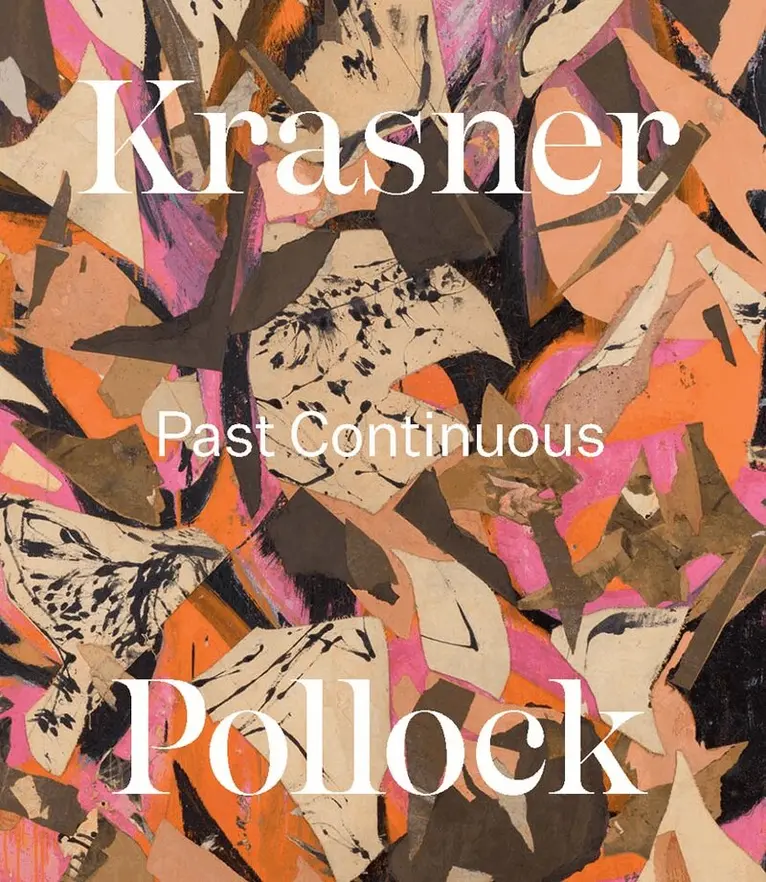
A survey of two icons of Abstract Expressionism that examines their distinct but connected careers and artistic legaciesThe groundbreaking artists Lee Krasner (1908–1984) and Jackson Pollock (1912–1956) profoundly influenced each other as they found their own places at the forefront of the Abstract Expressionism movement. Spanning the full arc of their careers—including the years before they met, their time as a couple, and Krasner’s life after Pollock’s death—this book features more than one hundred vivid paintings and works on paper. Krasner and Pollock: Past Continuous highlights the range and art-historical importance of Krasner’s work, evaluates Pollock’s significance anew, and considers the pair as artistic peers against the backdrop of the postwar United States. Essays revisit key periods in their creative trajectories, from their parallel emergence in the 1940s New York art scene to their later move to Long Island. The authors situate the artists within their historical context and trace important breakthroughs in their practices, such as Pollock’s exploration of the “drip” technique and Krasner’s turn to collage. Personal reflections from twenty-first-century artists attest to Krasner’s and Pollock’s ongoing legacies. For devotees of Krasner and Pollock and for readers encountering them for the first time, this book offers an illuminating portrait of the two artists.Published by The Metropolitan Museum of Art/Distributed by Yale University PressExhibition Schedule:The Metropolitan Museum of Art, New York(October 4, 2026–January 31, 2027)
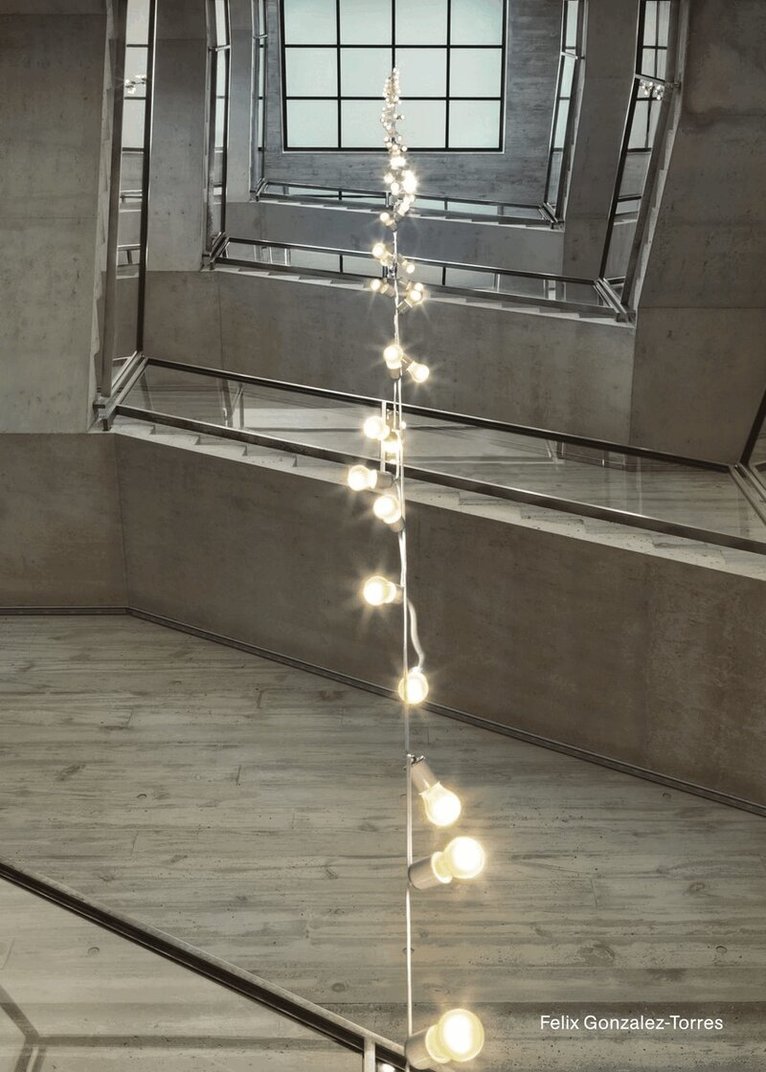
One of the most significant artists to emerge in the late 1980s and early 1990s, Felix Gonzalez-Torres’s reduced formal vocabulary, conceptual rigor, and evocative use of everyday materials resonates with meaning that is at once specific and mutable, rigorous and generous, poetic and political.Featuring several key bodies of work from throughout the artist’s career, this publication showcases a series of distinct installations at David Zwirner in New York in 2017. The interplay with the specific architecture of the gallery and the way works are installed is highlighted throughout the catalogue, with images that explore the poetics of how space and work influence each other. Together, in their radical openness to interventions of site, audience, and context, the works on view challenge perceived notions of what constitutes an exhibition space, a public, an artwork itself. Despite the resolute abstraction of much of his work, Gonzalez-Torres worked with familiar materials, from his iconic candy spill works and his evocative light string pieces, but also including mirrors, clocks, and curtains. His work activates the architecture of the various spaces, the physicality of the viewer, the past and present, continuously maintaining its relevance. Opening with details of the exhibition and images of visitors in the spaces, the publication walks the reader through each piece. New text by David Breslin explores the variety of works included here while contextualizing Gonzalez-Torres’s contribution to art history.