David E. Clark – författare
Visar alla böcker från författaren David E. Clark. Handla med fri frakt och snabb leverans.
4 produkter
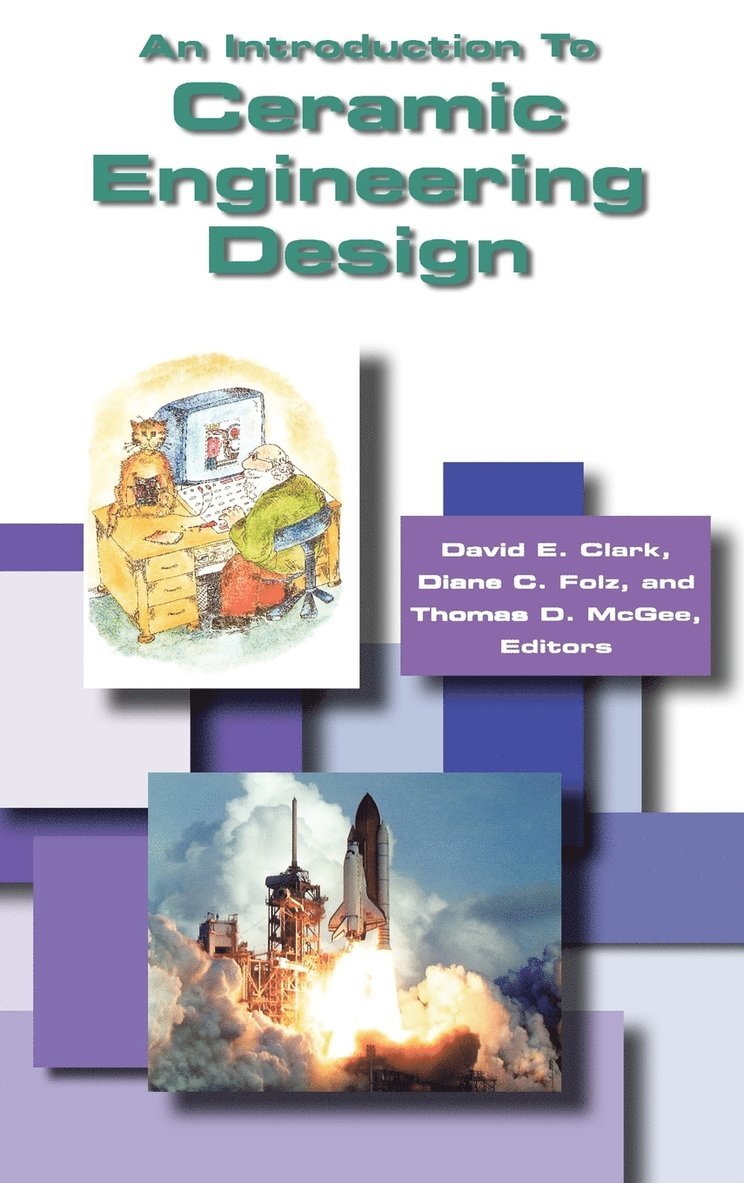
Introduction to Ceramic Engineering Design
Av L. B. McCarty, David E. Clark m. fl.
Inbunden, 2006
1563 kr
Lägg i varukorg
Engineering is the application of science and mathematics to achieve useful objectives for the benefit of society. Typically, the goal of an engineering education is to effectively pass on to students knowledge in the application of science and mathematics to solve engineering problems. A number of …
Microwave and Radio Frequency Applications
Proceedings of the Third World Congress on Microwave and Radio Frequency Applications, September 2002, in Sydney, Australia
Häftad, 2003
1874 kr
Lägg i varukorg
This volume present the latest scientific advancements and technological developments with particular emphasis on existing and potential applications. Included are important and cutting edge topics on sintering, chemistry, ceramics, materials processing, moisture measurement, medical applications, …
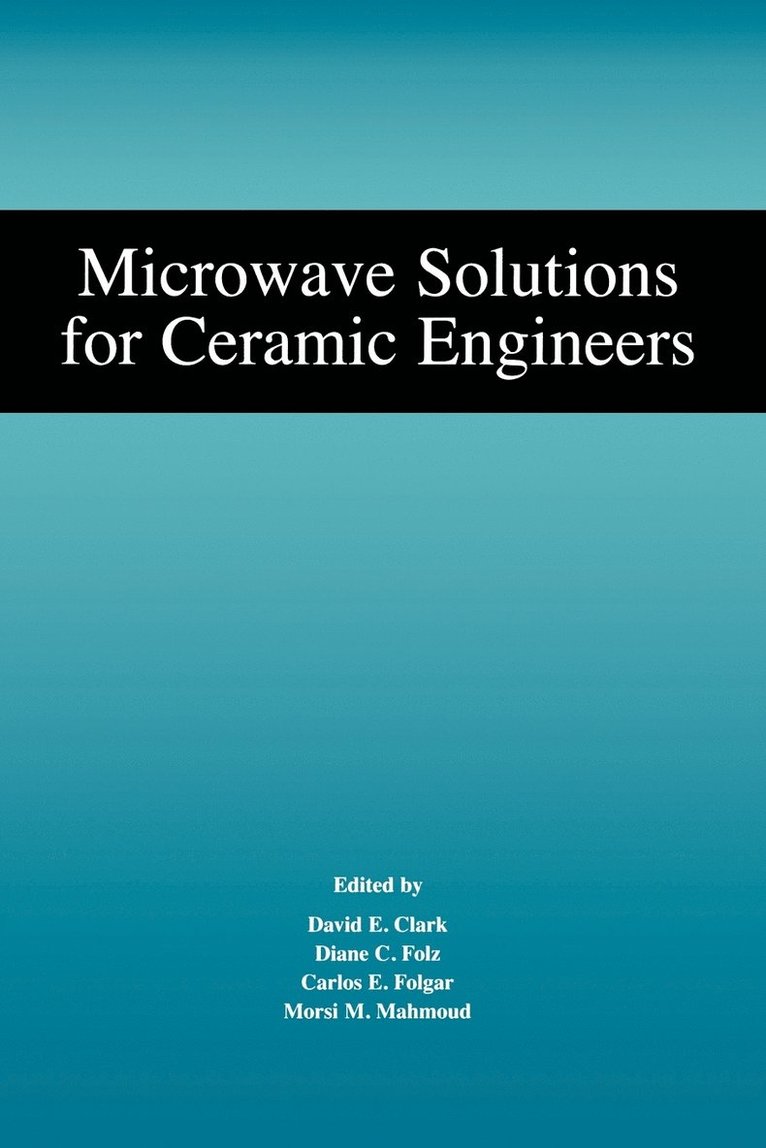
Microwave Solutions for Ceramic Engineers
Häftad, 2005
2084 kr
Lägg i varukorg
This book is a summary of microwave processing research, processing and characterization tools, and applications specifically applicable to ceramic engineers. It will serve as an update/summary of research related to microwave processing of ceramic materials and as an introductory book to those …
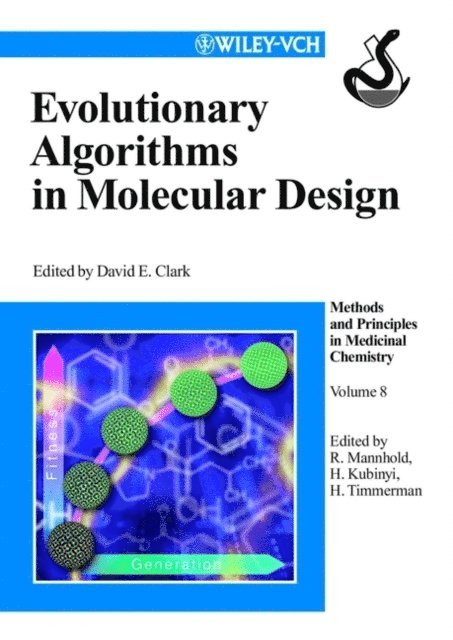
Evolutionary Algorithms in Molecular Design
E-bok, 2008
1977 kr
Lägg i varukorg
When trying to find new methods and problem-solving strategies for their research, scientists often turn to nature for inspiration. An excellent example of this is the application of Darwin''s Theory of Evolution, particularly the notion of the ''survival of the fittest'', in computer programs …