David E. Kyvig – författare
Visar alla böcker från författaren David E. Kyvig. Handla med fri frakt och snabb leverans.
13 produkter
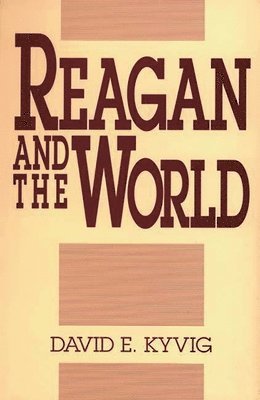
Reagan and the World
Av David E. Kyvig, David E. Kyvig
Häftad, 1990
486 kr
Lägg i varukorg
Essays by seven historians. John Lewis Gaddis argues that Reagan's record of dealing with the Soviets is equal or superior to that of Nixon and Kissinger; Akira Iriye praises the administration for improving relations with Japan; but the essays on Western Europe, the Middle East, Africa and Central …
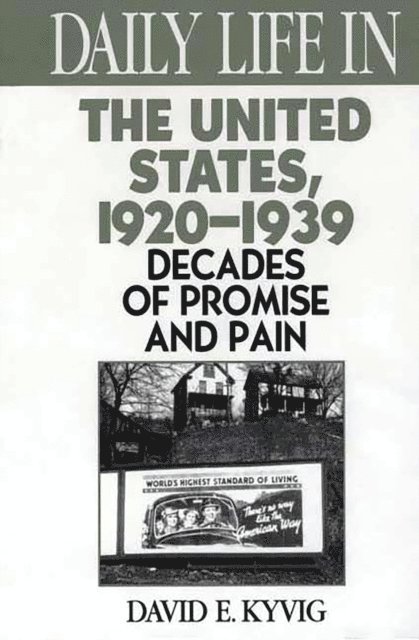
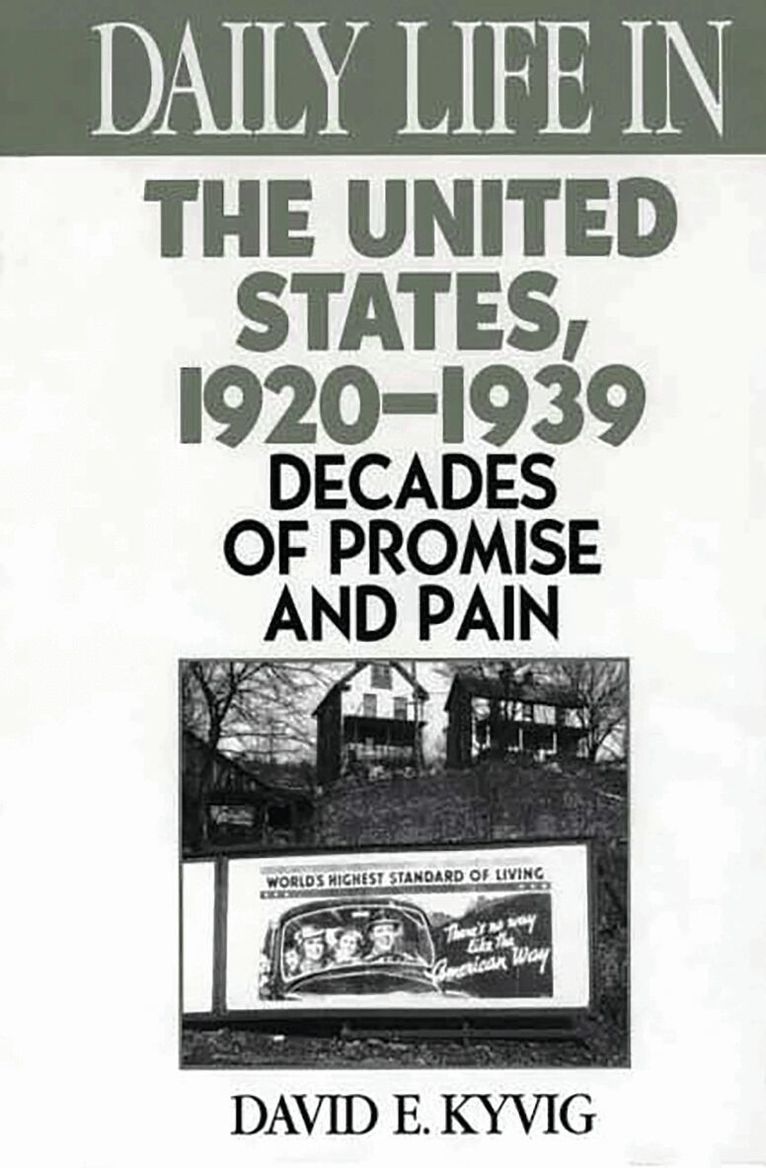
Daily Life in the United States, 1920-1939
Decades of Promise and Pain
E-bok, 2001
883 kr
Lägg i varukorg
During the 1920s and 1930s, changes in the American population, increasing urbanization, and innovations in technology exerted major influences on the daily lives of ordinary people. Explore how everyday living changed during these years when use of automobiles and home electrification first became …
Reagan and the World
E-bok, 1990
488 kr
Lägg i varukorg
Essays by seven historians. John Lewis Gaddis argues that Reagan's record of dealing with the Soviets is equal or superior to that of Nixon and Kissinger; Akira Iriye praises the administration for improving relations with Japan; but the essays on Western Europe, the Middle East, Africa and Central …
New Day/New Deal
A Bibliography of the Great American Depression, 1929-1941
Inbunden, 1988
909 kr
Lägg i varukorg
The most extensive bibliography of the depression era ever published, this volume lists retrospective books, articles, and doctoral dissertations that deal with American government, law, politics, economics, regional and local affairs, society, thought and culture, and foreign relations during this …
Reagan and the World
Inbunden, 1990
1063 kr
Lägg i varukorg
Essays by seven historians. John Lewis Gaddis argues that Reagan's record of dealing with the Soviets is equal or superior to that of Nixon and Kissinger; Akira Iriye praises the administration for improving relations with Japan; but the essays on Western Europe, the Middle East, Africa and Central …
Daily Life in the United States, 1920-1939
Decades of Promise and Pain
Inbunden, 2001
805 kr
Lägg i varukorg
During the 1920s and 1930s, changes in the American population, increasing urbanization, and innovations in technology exerted major influences on the daily lives of ordinary people. Explore how everyday living changed during these years when use of automobiles and home electrification first became …
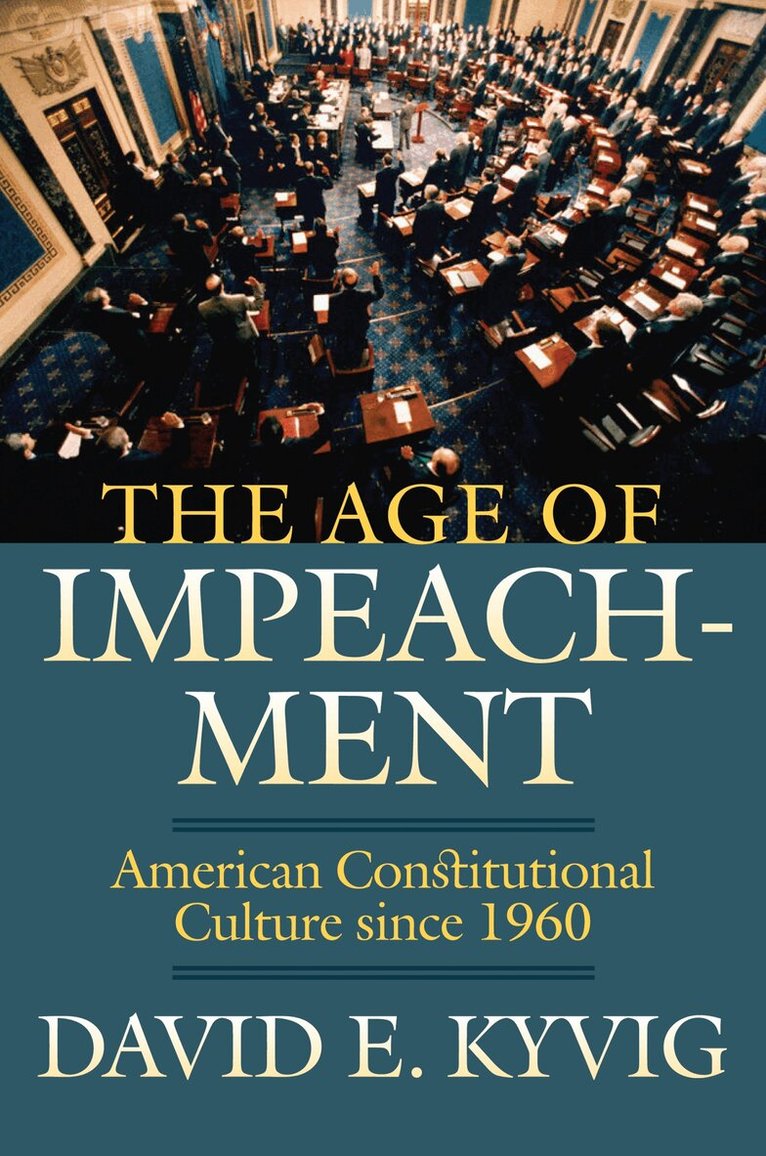
Age of Impeachment
American Constitutional Culture Since 1960
Inbunden, 2008
703 kr
Lägg i varukorg
In this magisterial new work, Bancroft Prize - winning historian David Kyvig chronicles the rise of a culture of impeachment since 1960 - one that extends far beyond the infamous scandals surrounding Presidents Richard Nixon (Watergate) and Bill Clinton (Monica Lewinsky) and has dramatically …
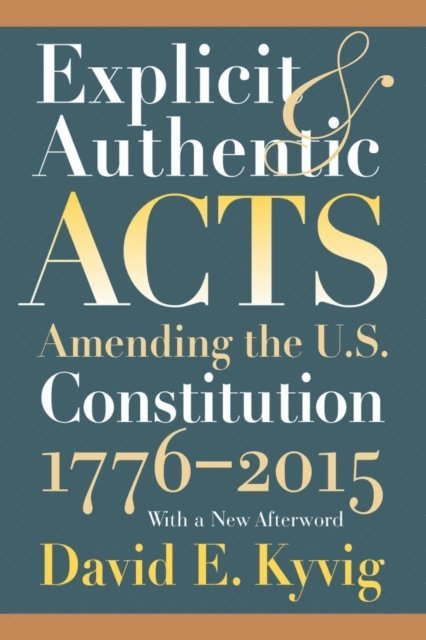
Explicit and Authentic Acts
Amending the U.S. Constitution 1776-2015, With a New Afterword
E-bok, 2016
399 kr
Lägg i varukorg
Winner: Bancroft Prize Winner: Henry Adams Prize Winner: Ohio History Association Book Prize In time for the 225th anniversary of the Bill of Rights, David Kyvig completed an Afterword to his landmark study of the process of amending the US Constitution. The Afterword discusses the many amendments, …
Age of Impeachment
American Constitutional Culture since 1960
E-bok, 2025
830 kr
Lägg i varukorg
Choice Outstanding Book In this magisterial new work, Bancroft Prize-winning historian David Kyvig chronicles the rise of a culture of impeachment since 1960—one that extends far beyond the infamous scandals surrounding Presidents Richard Nixon (Watergate) and Bill Clinton (Monica Lewinsky) and has …
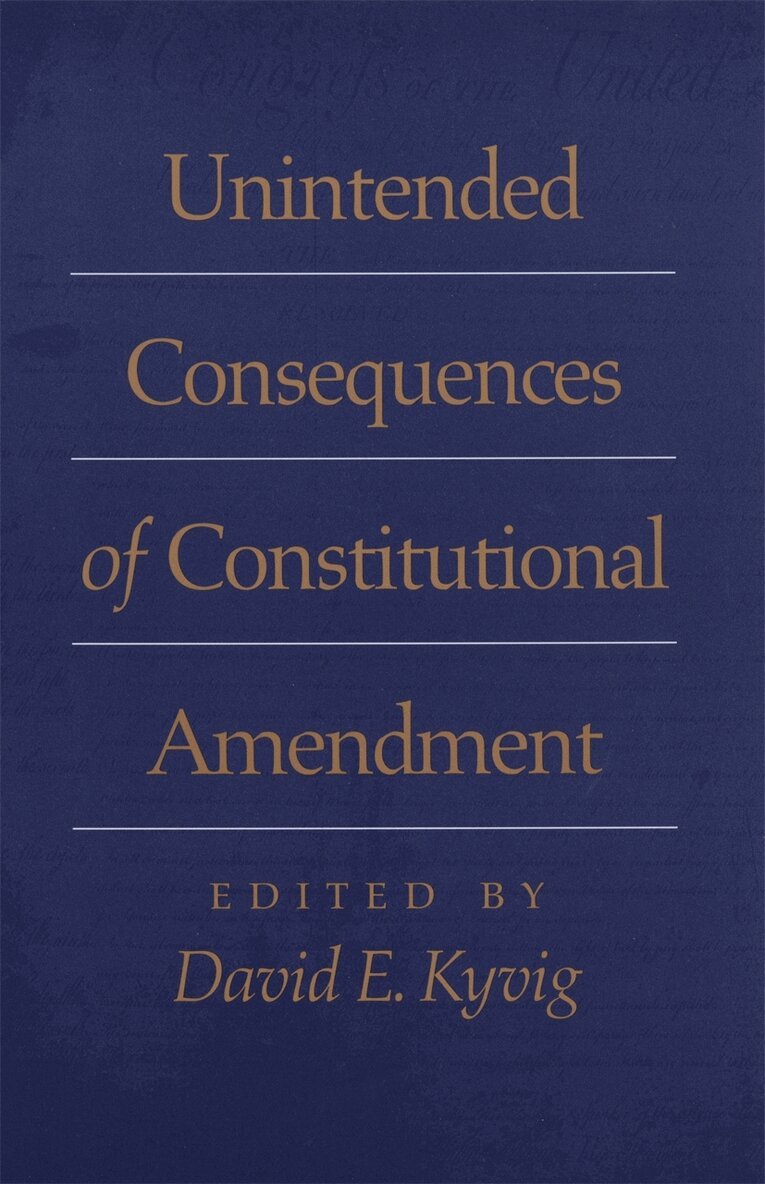
Unintended Consequences of Constitutional Amendment
Häftad, 2000
527 kr
Lägg i varukorg
Constitutional amendments, like all laws, may lead to unanticipated and even undesired outcomes. In this collection of original essays, a team of distinguished historians, political scientists, and legal scholars led by award-winning constitutional historian David E. Kyvig examines significant …
Unintended Consequences of Constitutional Amendment
Inbunden, 2017
1435 kr
Lägg i varukorg
Constitutional amendments, like all laws, may lead to unanticipated and even undesired outcomes. In this collection of original essays, a team of distinguished historians, political scientists, and legal scholars led by award-winning constitutional historian David E. Kyvig examines significant …
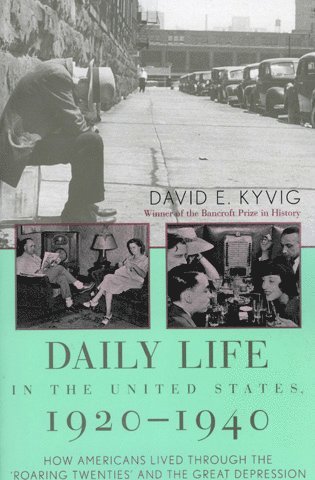
Daily Life in the United States, 1920–1940
How Americans Lived Through the "Roaring Twenties" and the Great Depression
Häftad, 2004
254 kr
Lägg i varukorg
The twenties and thirties witnessed dramatic changes in American life: increasing urbanization, technological innovation, cultural upheaval, and economic disaster. In this fascinating book, the prize-winning historian David E. Kyvig describes everyday life in these decades, when automobiles and …
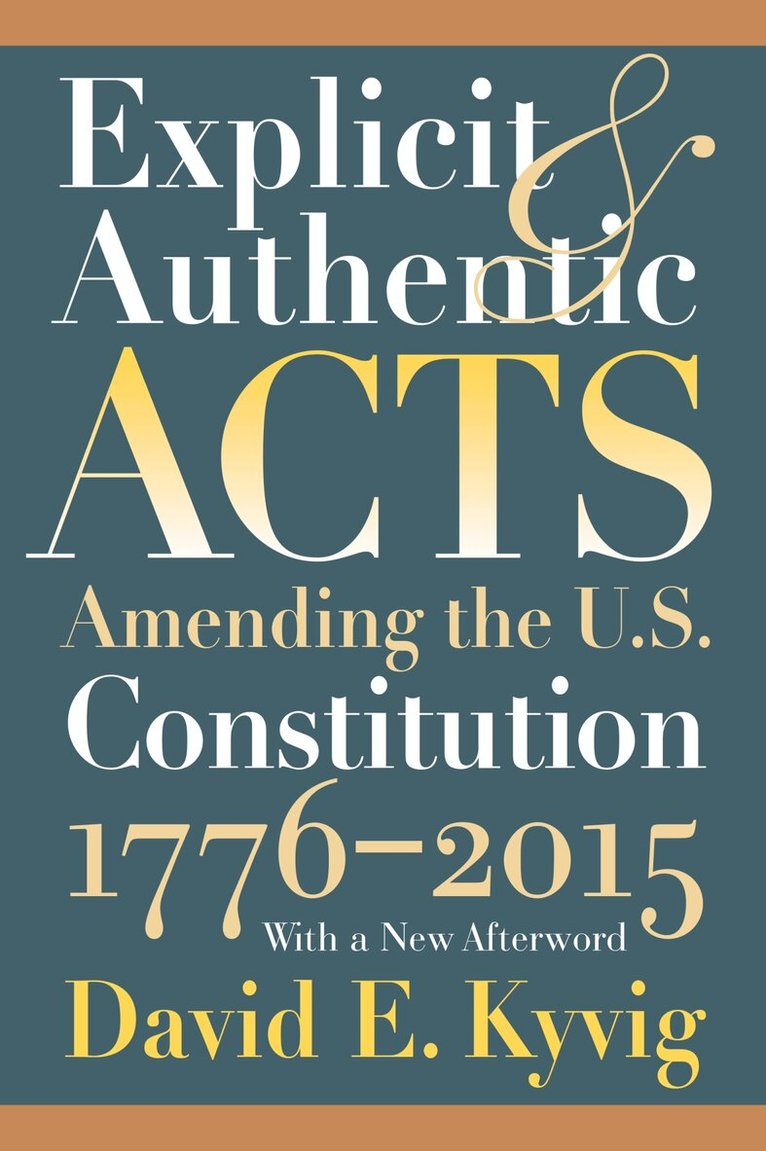
Explicit and Authentic Acts
Amending the US Constitution, 1776–2015
Häftad, 2016
430 kr
Tillfälligt slut
In time for the 225th anniversary of the Bill of Rights, David Kyvig completed an Afterword to his landmark study of the process ofamending the US Constitution. The Afterword discusses the many amendments, such those requiring a balanced federal budget or limitingthe terms of members of Congress, …