David Grčki – författare
Visar alla böcker från författaren David Grčki. Handla med fri frakt och snabb leverans.
8 produkter
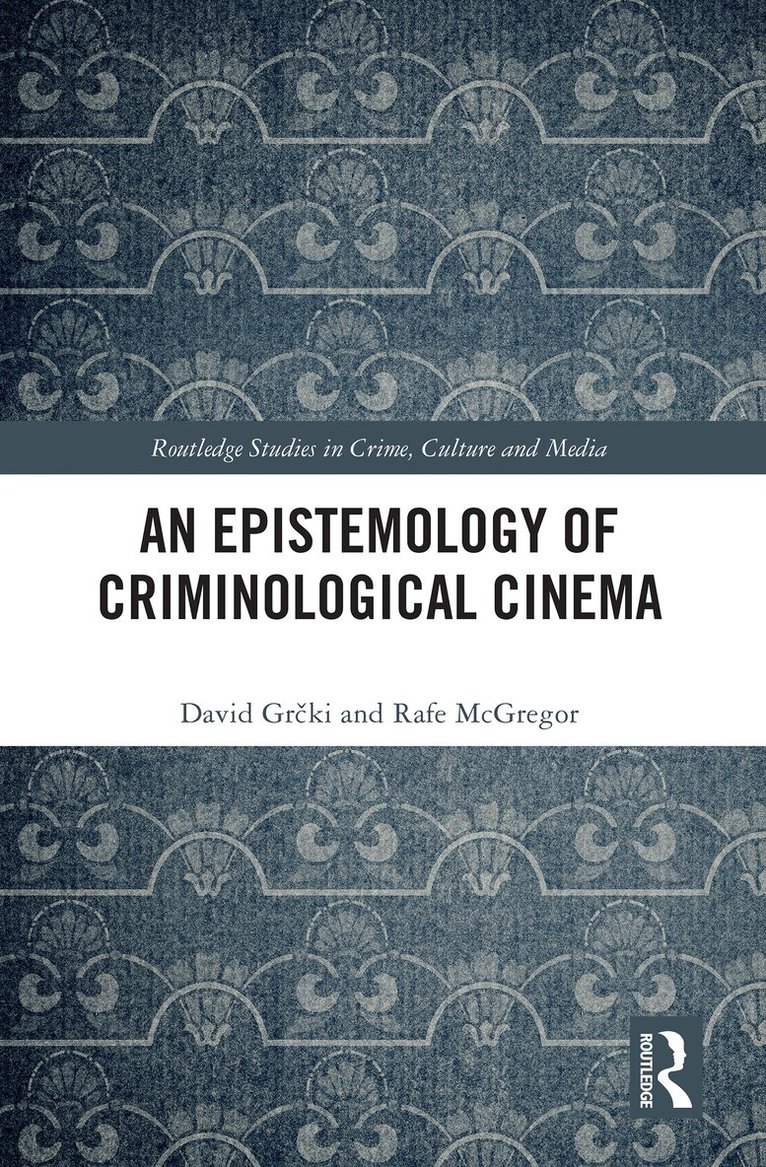
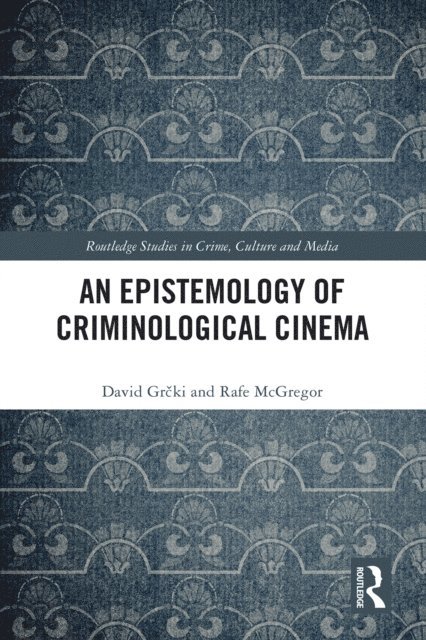
Epistemology of Criminological Cinema
Inbunden, 2024
2519 kr
Lägg i varukorg
Standing at the intersection of criminology and philosophy, this book demonstrates the ways in which mythic movies and television series can provide an understanding of actual crimes and social harms.Taking three social problems as its subjects – capitalist political economy, structural injustice, …
Epistemology of Criminological Cinema
Häftad, 2025
708 kr
Lägg i varukorg
Standing at the intersection of criminology and philosophy, this book demonstrates the ways in which mythic movies and television series can provide an understanding of actual crimes and social harms.Taking three social problems as its subjects – capitalist political economy, structural injustice, …
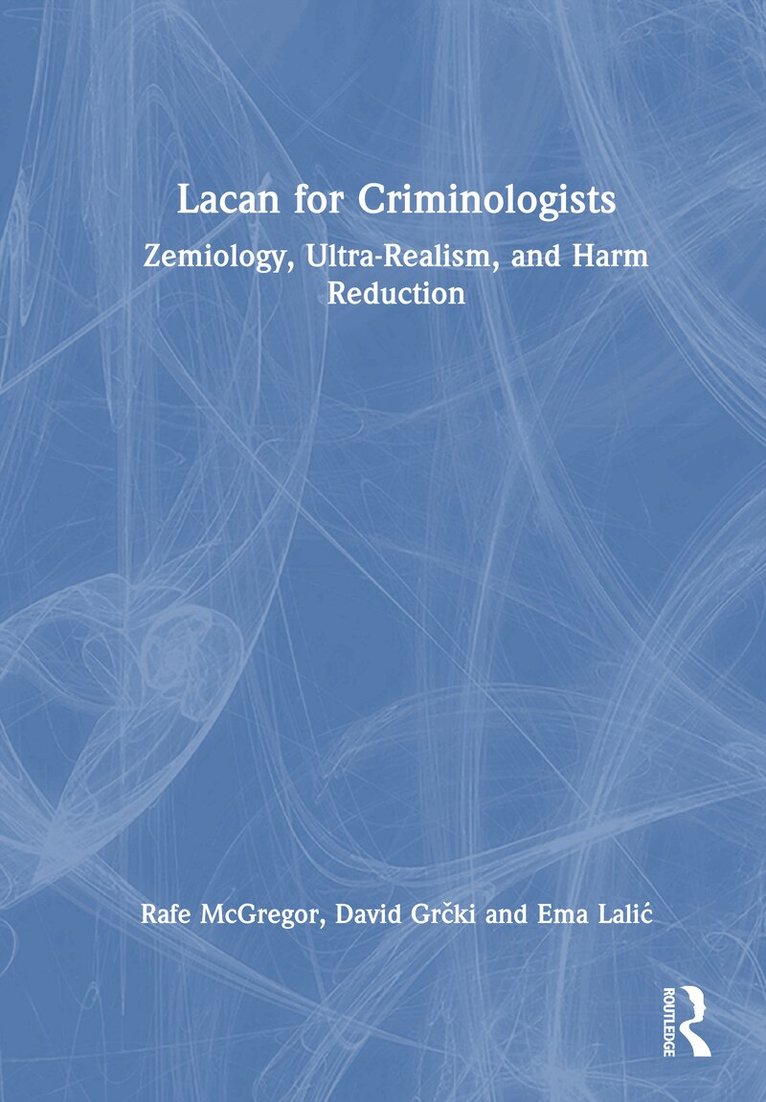
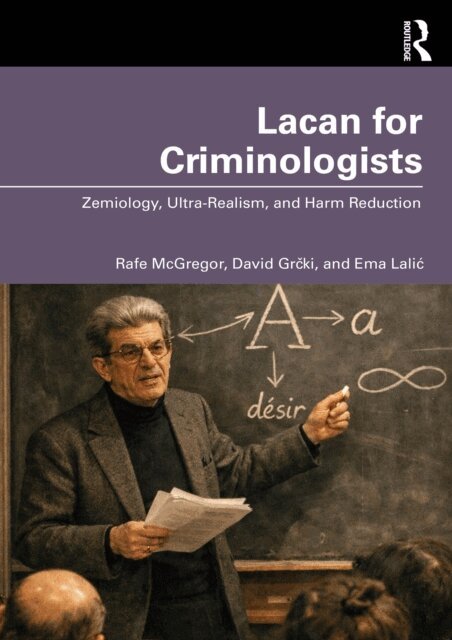
Lacan for Criminologists
Zemiology, Ultra-Realism, and Harm Reduction
Av Rafe McGregor, David Grčki m. fl.
Inbunden, 2026
2519 kr
Lägg i varukorg
This book provides a clear and concise introduction to the work of French cultural icon Jacques Lacan (1901–1981) for criminologists, sociologists, and social theorists. The authors approach Lacan as a structuralist rather than a psychoanalyst or psychiatrist, exploring his perspective on the …
Lacan for Criminologists
Zemiology, Ultra-Realism, and Harm Reduction
Av Rafe McGregor, David Grčki m. fl.
Häftad, 2026
649 kr
Lägg i varukorg
This book provides a clear and concise introduction to the work of French cultural icon Jacques Lacan (1901–1981) for criminologists, sociologists, and social theorists. The authors approach Lacan as a structuralist rather than a psychoanalyst or psychiatrist, exploring his perspective on the …
Epistemology of Criminological Cinema
E-bok, 2024
813 kr
Lägg i varukorg
Standing at the intersection of criminology and philosophy, this book demonstrates the ways in which mythic movies and television series can provide an understanding of actual crimes and social harms. Taking three social problems as its subjects – capitalist political economy, structural injustice, …
Epistemology of Criminological Cinema
E-bok, 2024
831 kr
Lägg i varukorg
Standing at the intersection of criminology and philosophy, this book demonstrates the ways in which mythic movies and television series can provide an understanding of actual crimes and social harms. Taking three social problems as its subjects – capitalist political economy, structural injustice, …
Lacan for Criminologists
Zemiology, Ultra-Realism, and Harm Reduction
Av Ema Lalic, David Grcki m. fl.
E-bok, 2026
725 kr
Lägg i varukorg
This book provides a clear and concise introduction to the work of French cultural icon Jacques Lacan (1901–1981) for criminologists, sociologists, and social theorists. The authors approach Lacan as a structuralist rather than a psychoanalyst or psychiatrist, exploring his perspective on the …
Lacan for Criminologists
Zemiology, Ultra-Realism, and Harm Reduction
Av Ema Lalic, David Grcki m. fl.
E-bok, 2026
741 kr
Lägg i varukorg
This book provides a clear and concise introduction to the work of French cultural icon Jacques Lacan (1901–1981) for criminologists, sociologists, and social theorists. The authors approach Lacan as a structuralist rather than a psychoanalyst or psychiatrist, exploring his perspective on the …