David James Cantor – författare
Visar alla böcker från författaren David James Cantor. Handla med fri frakt och snabb leverans.
5 produkter
5 produkter
Häftad, Engelska, 2015
393 kr
Skickas inom 5-8 vardagar
Häftad, Spanska, 2016
427 kr
Skickas inom 5-8 vardagar
Häftad, Engelska, 2016
427 kr
Skickas inom 5-8 vardagar
E-bok
PDF, Engelska, 20182 987 kr
Läs direkt efter köp
By 2017, it was estimated that over 40 million people were displaced within their own countries by conflict and violence across at least 56 countries worldwide. Solutions to the epidemic of forced internal displacement are frequently premised on the return of internally displaced persons (IDPs). Indeed, as a characteristic need of IDPs, such returns benefit from a special protection framework developed by IDP protection instruments such as the Guiding Principles. However, the legal status of those instruments remains ambiguous, generating attendant questions about the congruity of the IDP return framework with existing international law. Moreover, limited knowledge exists on its practical implementation. As a result, both inter-national agencies and individual scholars have repeatedly issued urgent calls for comprehensive and grounded theoretical investigation into this topic. This book answers those long-standing calls for research by presenting a detailed study of the return of conflict-afffected IDPs under international law.
Engelska, 2015
435 kr
Tillfälligt slut
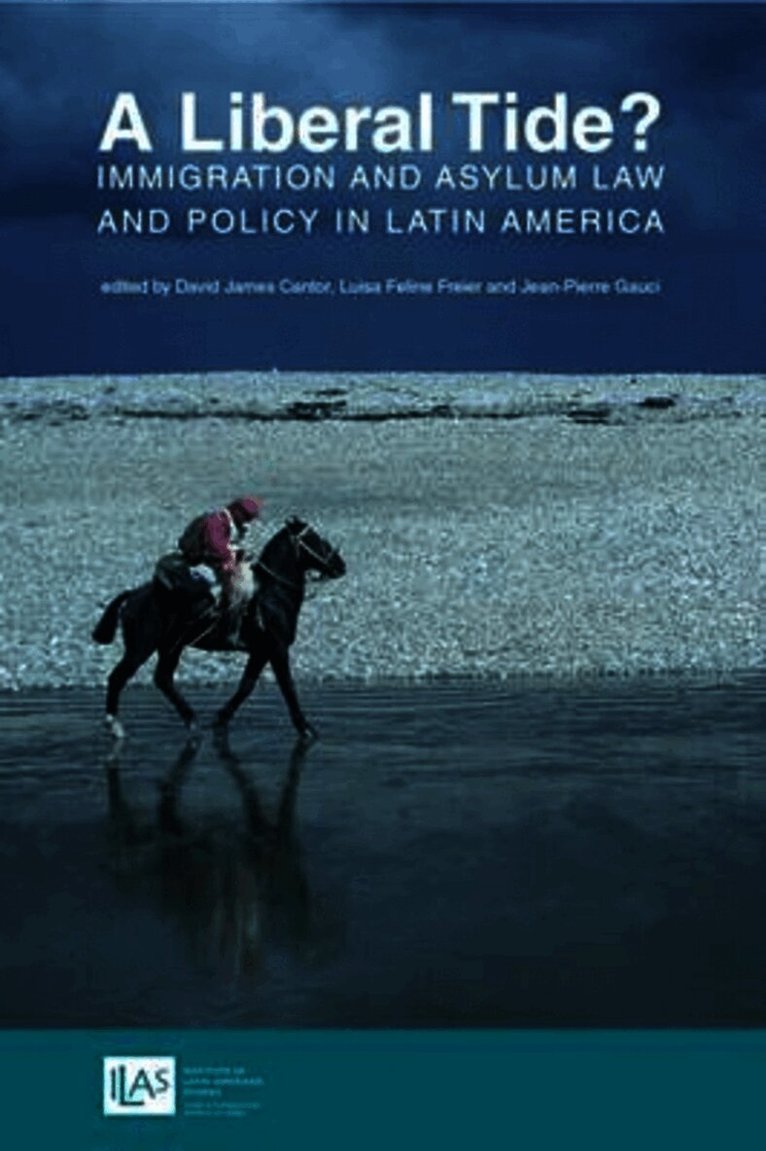
Over the past decade, a paradigm shift in migration and asylum law and policymaking appears to have taken place in Latin America. Does this apparent ""liberal tide"" of new laws and policies suggest a new approach to the hot topics of migration and refugees in Latin America distinct from the regressive and restrictive attitudes on display in other parts of the world? The question is urgent not only for our understanding of contemporary Latin America but also as a means of reorienting the debate in the migration studies field toward the important developments currently taking place in the region and in other parts of the global south. This book brings together eight varied and vibrant new analyses by scholars from Latin America and beyond to form the first collection that describes and critically examines the new liberalism in Latin American law and policy on migration and refugees.