
David Landreth – författare
Visar alla böcker från författaren . Handla med fri frakt och snabb leverans.
6 produkter
6 produkter
E-bok
Engelska, 2012409 kr
Läs direkt efter köp
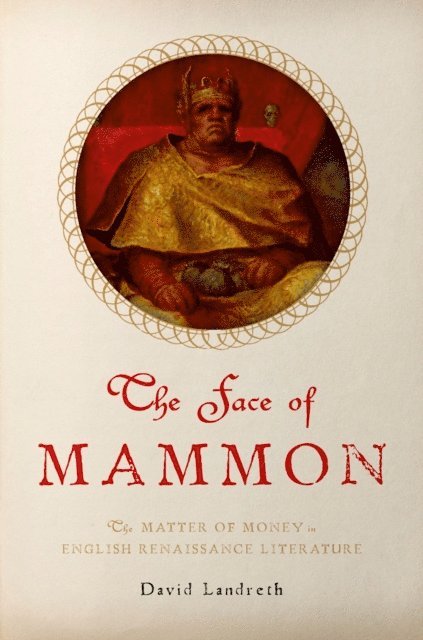
Money talked in sixteenth-century England, as money still does today. But what the sixteenth century''s gold and silver had to say for itself is strikingly different from the modern discourse of money. As David Landreth demonstrates in The Face of Mammon, the material and historical differences between the coins of the English Renaissance and today''s paper and electronic money propel a distinctive and complex assessment of the relation between material substance and human value.Although the sixteenth century was marked by the traumatic emergence of conditions that would prove to be characteristic of the modern economy, the discipline of economics had not been invented to assess those conditions. The Face of Mammon considers how literary texts investigated these unexplained material transformations through attention to the materiality of gold and silver money. In new readings of Spenser''s Faerie Queene, Marlowe''s Jew of Malta, three plays by Shakespeare-King John, The Merchant of Venice, and Measure for Measure-the poetry of John Donne, and the prose of Thomas Nashe, Landreth argues that these texts situate the act of exchange at the center of a system of "common wealth" that sought to integrate political, ethical, and religious values with material ones, and probe the ways in which market value corrodes that system even as it depends upon it.Joining the methods of material-culture studies to those of economic criticism, The Face of Mammon offers a new account of the historical transformations of the concept of value to scholars of early modern literature, culture, and art, as well as to those interested in economic history.
Häftad, Engelska, 2017
711 kr
Skickas inom 5-8 vardagar
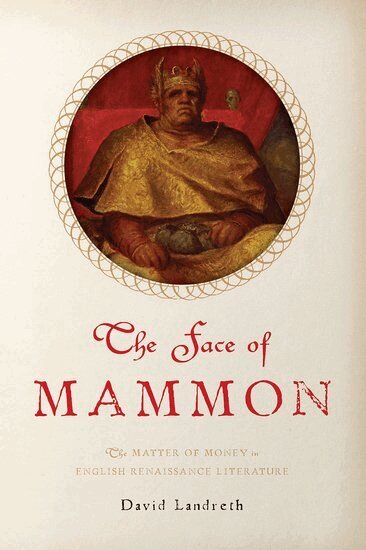
Money talked in sixteenth-century England, as money still does today. But what the sixteenth century's gold and silver had to say for itself is strikingly different from the modern discourse of money. As David Landreth demonstrates in The Face of Mammon, the material and historical differences between the coins of the English Renaissance and today's paper and electronic money propel a distinctive and complex assessment of the relation between material substance and human value.Although the sixteenth century was marked by the traumatic emergence of conditions that would prove to be characteristic of the modern economy, the discipline of economics had not been invented to assess those conditions. The Face of Mammon considers how literary texts investigated these unexplained material transformations through attention to the materiality of gold and silver money. In new readings of Spenser's Faerie Queene, Marlowe's Jew of Malta, three plays by Shakespeare--King John, The Merchant of Venice, and Measure for Measure--the poetry of John Donne, and the prose of Thomas Nashe, Landreth argues that these texts situate the act of exchange at the center of a system of "common wealth" that sought to integrate political, ethical, and religious values with material ones, and probe the ways in which market value corrodes that system even as it depends upon it.Joining the methods of material-culture studies to those of economic criticism, The Face of Mammon offers a new account of the historical transformations of the concept of value to scholars of early modern literature, culture, and art, as well as to those interested in economic history.
Inbunden, Engelska, 2012
1 548 kr
Skickas inom 5-8 vardagar
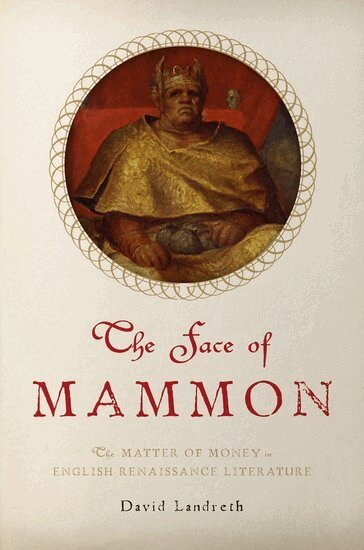
The Face of Mammon studies the gold and silver coins of sixteenth-century England as they are articulated in literary writing. Landreth argues that the coinage of the sixteenth century is a very different object from the money that we know-- not only formally but conceptually, in that modern money is the object proper to a discourse, economics, that had not yet taken shape in the sixteenth century. Instead, a Renaissance coin is an arena contested among multiple early modern discourses that each seek to encompass it, such as ontology, ethics, and politics. The writers central to this study--among them Spenser, Marlowe, Shakespeare, Nashe, and Donne--use the coin to demonstrate the interdependence of these competing discourses as they converge upon a single, ubiquitous object. For these authors, an understanding of the world that humans make for themselves relies upon understanding how the material world is made. The small circumference of the coin brings these contending worlds into contact.
E-bok
PDF, Engelska, 2011409 kr
Läs direkt efter köp
Money talked in sixteenth-century England, as money still does today. But what the sixteenth century''s gold and silver had to say for itself is strikingly different from the modern discourse of money. As David Landreth demonstrates in The Face of Mammon, the material and historical differences between the coins of the English Renaissance and today''s paper and electronic money propel a distinctive and complex assessment of the relation between material substance and human value.Although the sixteenth century was marked by the traumatic emergence of conditions that would prove to be characteristic of the modern economy, the discipline of economics had not been invented to assess those conditions. The Face of Mammon considers how literary texts investigated these unexplained material transformations through attention to the materiality of gold and silver money. In new readings of Spenser''s Faerie Queene, Marlowe''s Jew of Malta, three plays by Shakespeare-King John, The Merchant of Venice, and Measure for Measure-the poetry of John Donne, and the prose of Thomas Nashe, Landreth argues that these texts situate the act of exchange at the center of a system of "common wealth" that sought to integrate political, ethical, and religious values with material ones, and probe the ways in which market value corrodes that system even as it depends upon it.Joining the methods of material-culture studies to those of economic criticism, The Face of Mammon offers a new account of the historical transformations of the concept of value to scholars of early modern literature, culture, and art, as well as to those interested in economic history.

Inbunden, Engelska, 2023
367 kr
Skickas inom 5-8 vardagar

Häftad, Engelska, 2023
191 kr
Skickas inom 5-8 vardagar