David Meyers - Böcker
Visar alla böcker från författaren David Meyers. Handla med fri frakt och snabb leverans.
20 produkter
20 produkter
690 kr
Skickas inom 10-15 vardagar
In this admirably objective and lucid exposition, the author examines from a medico-legal standpoint the comparative position in various countries, particularly in the UK and the USA, of currently controversial medical procedures: voluntary sterilisation, compulsory sterilisation and castration, trans-sexualism, experimentation, transplantation, and euthanasia - few of which, if any, enjoy a settled or clearly defined place in the eyes of the law. He considers the problems from two perspectives: first, that of the individual in society and how far he himself may determine the extent of physical intrusion on his body; secondly, that of the state or society and how far it may impose or limit medical intrusion on the human body. Thus, Mr. Meyers provides a valuable account, not only of current medical attitudes, but also of relevant case and statute law as it stands at present.It is inherent in the nature of this book that it should arouse controversy and argument. There are many important questions to be debated: Has the state the right to enforce its conception of morality without showing that the behaviour it proscribes has a harmful effect on other members of society? To what extent does consent by the individual concerned insulate a surgeon from criminal liability? In connection with compulsory sterilisation, who is to judge those unfit to procreate? What is a proper definition of medical experimentation? What constitutes death? If a man has a right to live has he not an equal right to die?These are a few of the issues raised. The author has not hesitated to express his own opinions but has clearly relegated them to the summary at the end of each chapter, thereby leaving the objectivity of his main text unimpaired.David W. Meyers is a practicing lawyer in California, with American and British legal qualifications at the firm of Dickenson, Peatman & Fogarty. He has taught at the University of Edinburgh Law School and the University of Tasmania Law School as well as being a guest lecturer at University of California, San Francisco Medical School and University of Aberdeen Law School located in Scotland. He wrote two books this book and Medico-Legal Implications of Death and Dying.
2 123 kr
Skickas inom 10-15 vardagar
In this admirably objective and lucid exposition, the author examines from a medico-legal standpoint the comparative position in various countries, particularly in the UK and the USA, of currently controversial medical procedures: voluntary sterilisation, compulsory sterilisation and castration, trans-sexualism, experimentation, transplantation, and euthanasia - few of which, if any, enjoy a settled or clearly defined place in the eyes of the law. He considers the problems from two perspectives: first, that of the individual in society and how far he himself may determine the extent of physical intrusion on his body; secondly, that of the state or society and how far it may impose or limit medical intrusion on the human body. Thus, Mr. Meyers provides a valuable account, not only of current medical attitudes, but also of relevant case and statute law as it stands at present.It is inherent in the nature of this book that it should arouse controversy and argument. There are many important questions to be debated: Has the state the right to enforce its conception of morality without showing that the behaviour it proscribes has a harmful effect on other members of society? To what extent does consent by the individual concerned insulate a surgeon from criminal liability? In connection with compulsory sterilisation, who is to judge those unfit to procreate? What is a proper definition of medical experimentation? What constitutes death? If a man has a right to live has he not an equal right to die?These are a few of the issues raised. The author has not hesitated to express his own opinions but has clearly relegated them to the summary at the end of each chapter, thereby leaving the objectivity of his main text unimpaired.David W. Meyers is a practicing lawyer in California, with American and British legal qualifications at the firm of Dickenson, Peatman & Fogarty. He has taught at the University of Edinburgh Law School and the University of Tasmania Law School as well as being a guest lecturer at University of California, San Francisco Medical School and University of Aberdeen Law School located in Scotland. He wrote two books this book and Medico-Legal Implications of Death and Dying.
292 kr
Skickas inom 3-6 vardagar
492 kr
Skickas inom 5-8 vardagar
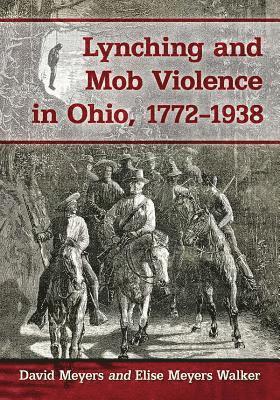
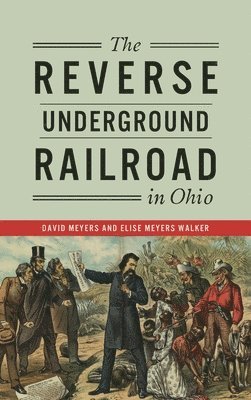
In the late 19th century Ohio was reeling from a wave of lynchings and other acts of racially motivated mob violence. Many of these acts were attributed to well-known and respected men and women yet few of them were ever prosecuted--some were even lauded for taking the law into their own hands.In 1892, Ohio-born Benjamin Harrison was the first U.S. President to call for anti-lynching legislation. Four years later, his home state responded with the Smith Act "for the Suppression of Mob Violence." One of the most severe anti-lynching laws in the country, it was a major step forward, though it did little to address the underlying causes of racial intolerance and distrust of law enforcement. Chronicling hundreds of acts of mob violence in Ohio, this book explores the acts themselves, their motivations and the law's response to them.
299 kr
Skickas inom 5-8 vardagar
277 kr
Skickas inom 5-8 vardagar
373 kr
Skickas inom 3-6 vardagar
362 kr
Skickas inom 3-6 vardagar
362 kr
Skickas inom 3-6 vardagar
397 kr
Skickas inom 3-6 vardagar
362 kr
Skickas inom 3-6 vardagar
352 kr
Skickas inom 3-6 vardagar
373 kr
Skickas inom 3-6 vardagar
309 kr
Skickas inom 5-8 vardagar
311 kr
Skickas inom 5-8 vardagar
256 kr
Skickas inom 3-6 vardagar
275 kr
Skickas inom 3-6 vardagar
307 kr
Skickas inom 3-6 vardagar
310 kr
Skickas inom 3-6 vardagar
222 kr
Skickas inom 5-8 vardagar