David Nibert – författare
Visar alla böcker från författaren David Nibert. Handla med fri frakt och snabb leverans.
5 produkter
5 produkter
Häftad, Engelska, 2002
702 kr
Skickas inom 10-15 vardagar
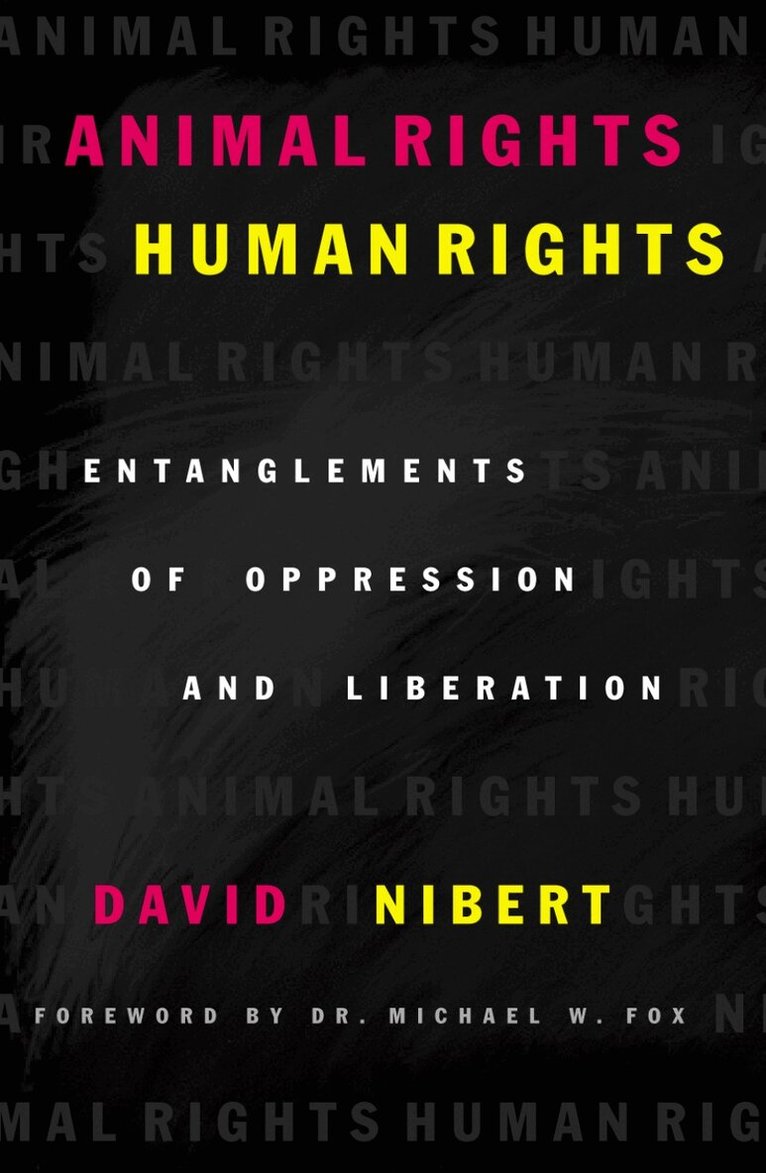
This accessible and cutting-edge work offers a new look at the history of western 'civilization,' one that brings into focus the interrelated suffering of oppressed humans and other animals. Nibert argues persuasively that throughout history the exploitation of other animals has gone hand in hand with the oppression of women, people of color, and other oppressed groups. He maintains that the oppression both of humans and of other species of animals is inextricably tangled within the structure of social arrangements. Nibert asserts that human use and mistreatment of other animals are not natural and do little to further the human condition. Nibert's analysis emphasizes the economic and elite-driven character of prejudice, discrimination, and institutionalized repression of humans and other animals. His examination of the economic entanglements of the oppression of human and other animals is supplemented with an analysis of ideological forces and the use of state power in this sociological expose of the grotesque uses of the oppressed, past and present. Nibert suggests that the liberation of devalued groups of humans is unlikely in a world that uses other animals as fodder for the continual growth and expansion of transnational corporations and, conversely, that animal liberation cannot take place when humans continue to be exploited and oppressed.
E-bok
Engelska, 20172 081 kr
Läs direkt efter köp
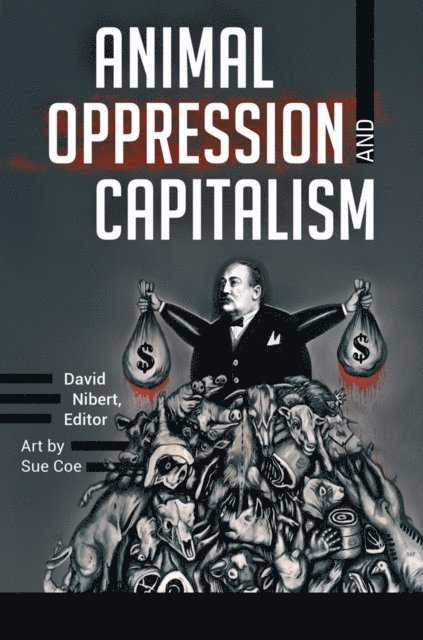
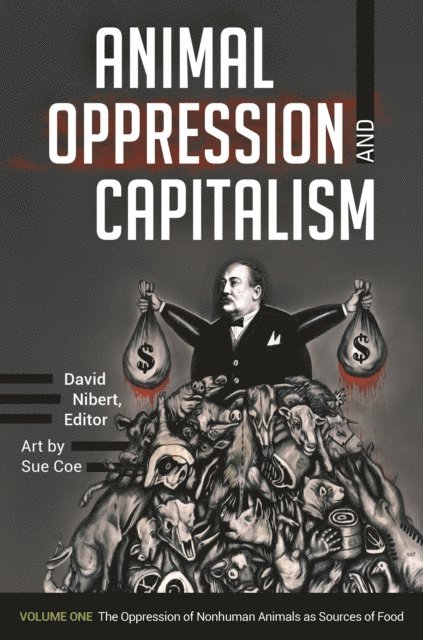
This important two-volume set unapologetically documents how capitalism results in the oppression of animals ranging from fish and chickens to dogs, elephants, and kangaroos as well as in environmental destruction, vital resource depletion, and climate change.Most traditional narratives portray humanity's use of other animals as natural and necessary for human social development and present the idea that capitalism is generally a positive force in the world. But is this worldview accurate, or just a convenient, easy-to-accept way to ignore what is really happening—a systematic oppression of animals that simultaneously results in environmental destruction and places insurmountable obstacles in the path to a sustainable and peaceful future?David Nibert's Animal Oppression and Capitalism is a timely two-volume set that calls into question the capitalist system at a point in human history when inequality and the imbalance in the distribution of wealth are growing domestically and internationally. Expert contributors show why the oppression of animals—particularly the use of other animals as food—is increasingly being linked to unfavorable climate change and the depletion of fresh water and other vital resources. Readers will also learn about the tragic connections between the production of animal products and global hunger and expanded regional violence and warfare, and they will understand how many common human health problems—including heart attacks, strokes, and various forms of cancer—develop as a result of consuming animal products.
Inbunden, Engelska, 2000
1 202 kr
Skickas inom 3-6 vardagar
In a critical overview of lotteries in the US, this work documents who really profits from lotteries and who really loses.
E-bok
Engelska, 20172 128 kr
Läs direkt efter köp
This important two-volume set unapologetically documents how capitalism results in the oppression of animals ranging from fish and chickens to dogs, elephants, and kangaroos as well as in environmental destruction, vital resource depletion, and climate change.Most traditional narratives portray humanity's use of other animals as natural and necessary for human social development and present the idea that capitalism is generally a positive force in the world. But is this worldview accurate, or just a convenient, easy-to-accept way to ignore what is really happening—a systematic oppression of animals that simultaneously results in environmental destruction and places insurmountable obstacles in the path to a sustainable and peaceful future?David Nibert's Animal Oppression and Capitalism is a timely two-volume set that calls into question the capitalist system at a point in human history when inequality and the imbalance in the distribution of wealth are growing domestically and internationally. Expert contributors show why the oppression of animals—particularly the use of other animals as food—is increasingly being linked to unfavorable climate change and the depletion of fresh water and other vital resources. Readers will also learn about the tragic connections between the production of animal products and global hunger and expanded regional violence and warfare, and they will understand how many common human health problems—including heart attacks, strokes, and various forms of cancer—develop as a result of consuming animal products.
Inbunden, Engelska, 2026
1 259 kr
Skickas inom 10-15 vardagar
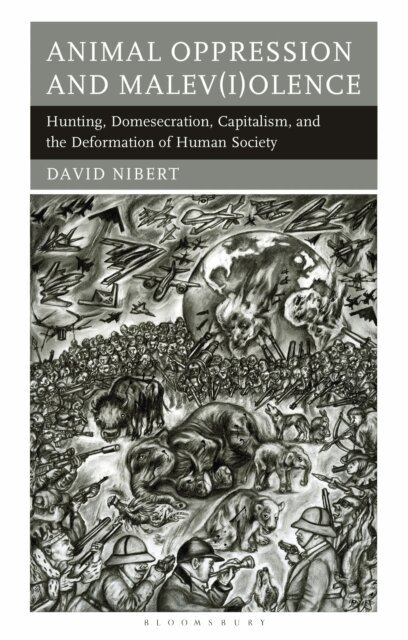
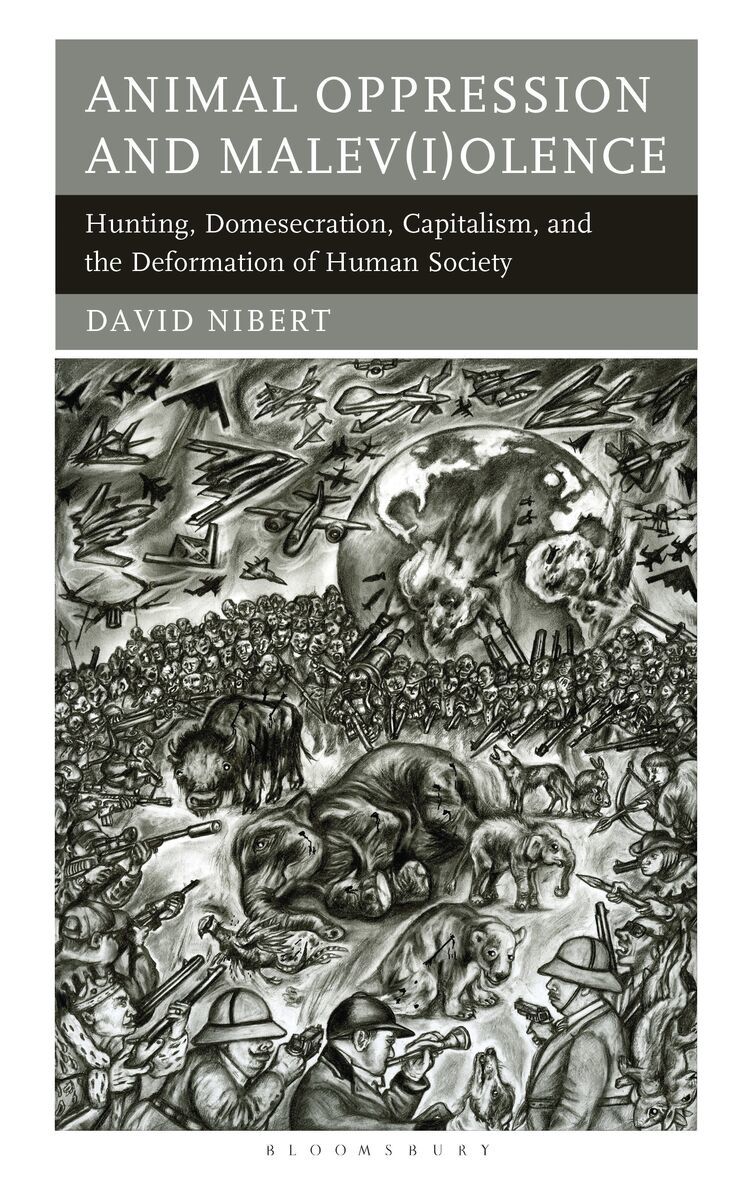
While the dominant cultural narrative depicts the history of hunting, capturing, and killing of other animals as beneficial for human development, historical and contemporary evidence shows otherwise. This book reveals that the human practice of stalking, killing, exploiting, and eating other animals led to the social construction of a malev(i)olent and predacious form of masculinity and the start of human social stratification and oppression. Thereafter the course of human social development was placed on a deformative trajectory, leading to warfare, the emergence of deadly zoonotic disease, and terrorist-based colonial and imperialist orders. Primarily spread throughout the world by way of European conquests, and leading to the rise of capitalism, hunting and this violent and rapacious form of masculinity is continually promoted as ideal training for warfare and global domination, especially in the United States. As US-driven global violence and destruction accelerates in the 21st century, challenges to this dominant form of masculinity and its caustic capitalist progeny are essential for creating a peaceful and sustainable world.