David Ramin Jalilvand – författare
Visar alla böcker från författaren David Ramin Jalilvand. Handla med fri frakt och snabb leverans.
6 produkter
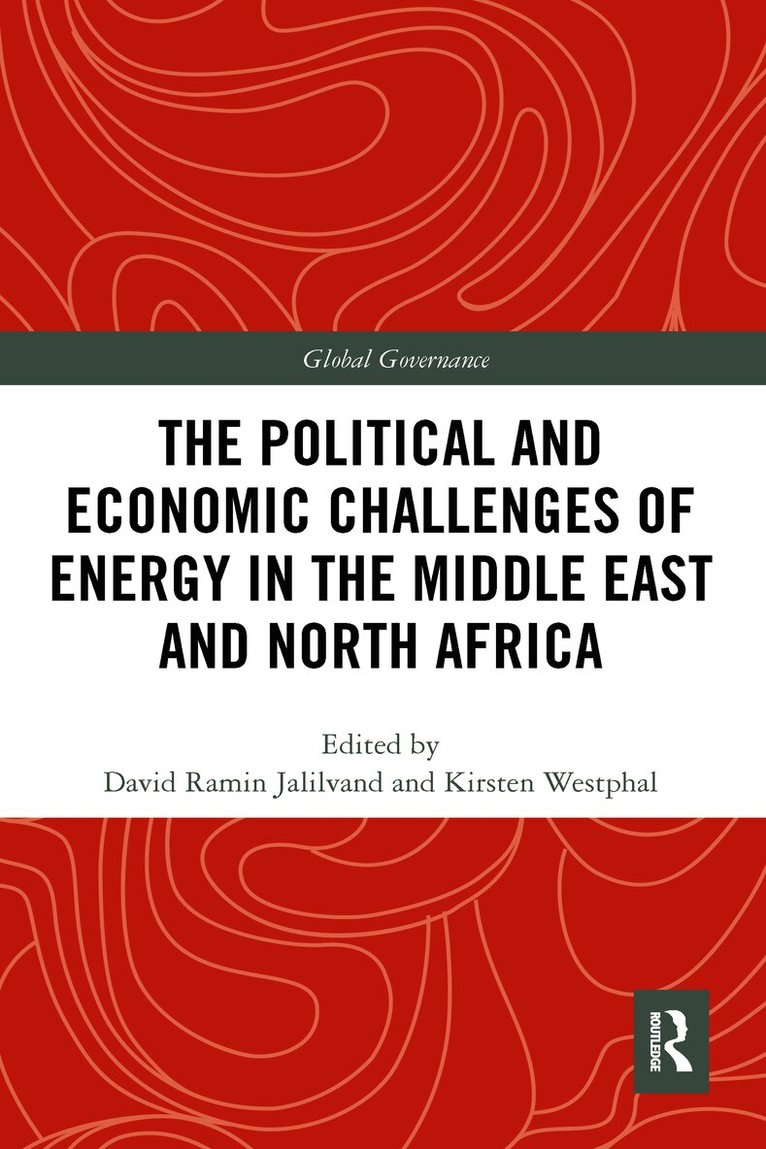
Political and Economic Challenges of Energy in the Middle East and North Africa
Av David Ramin Jalilvand, Kirsten Westphal
Häftad, 2021
692 kr
Lägg i varukorg
The Middle East and North Africa (MENA) are in disarray, and shifts in the field of energy have the potential to drastically affect the course of political and economic developments in the region. Declining oil prices, skyrocketing domestic demand, the rise of unconventional oil and natural gas …
Political and Economic Challenges of Energy in the Middle East and North Africa
Av David Ramin Jalilvand, Kirsten Westphal
Inbunden, 2017
2746 kr
Lägg i varukorg
The Middle East and North Africa (MENA) are in disarray, and shifts in the field of energy have the potential to drastically affect the course of political and economic developments in the region. Declining oil prices, skyrocketing domestic demand, the rise of unconventional oil and natural gas …
Political and Economic Challenges of Energy in the Middle East and North Africa
Av Kirsten Westphal, David Ramin Jalilvand
E-bok, 2017
814 kr
Lägg i varukorg
The Middle East and North Africa (MENA) are in disarray, and shifts in the field of energy have the potential to drastically affect the course of political and economic developments in the region. Declining oil prices, skyrocketing domestic demand, the rise of unconventional oil and natural gas …
Political and Economic Challenges of Energy in the Middle East and North Africa
Av Kirsten Westphal, David Ramin Jalilvand
E-bok, 2017
814 kr
Lägg i varukorg
The Middle East and North Africa (MENA) are in disarray, and shifts in the field of energy have the potential to drastically affect the course of political and economic developments in the region. Declining oil prices, skyrocketing domestic demand, the rise of unconventional oil and natural gas …
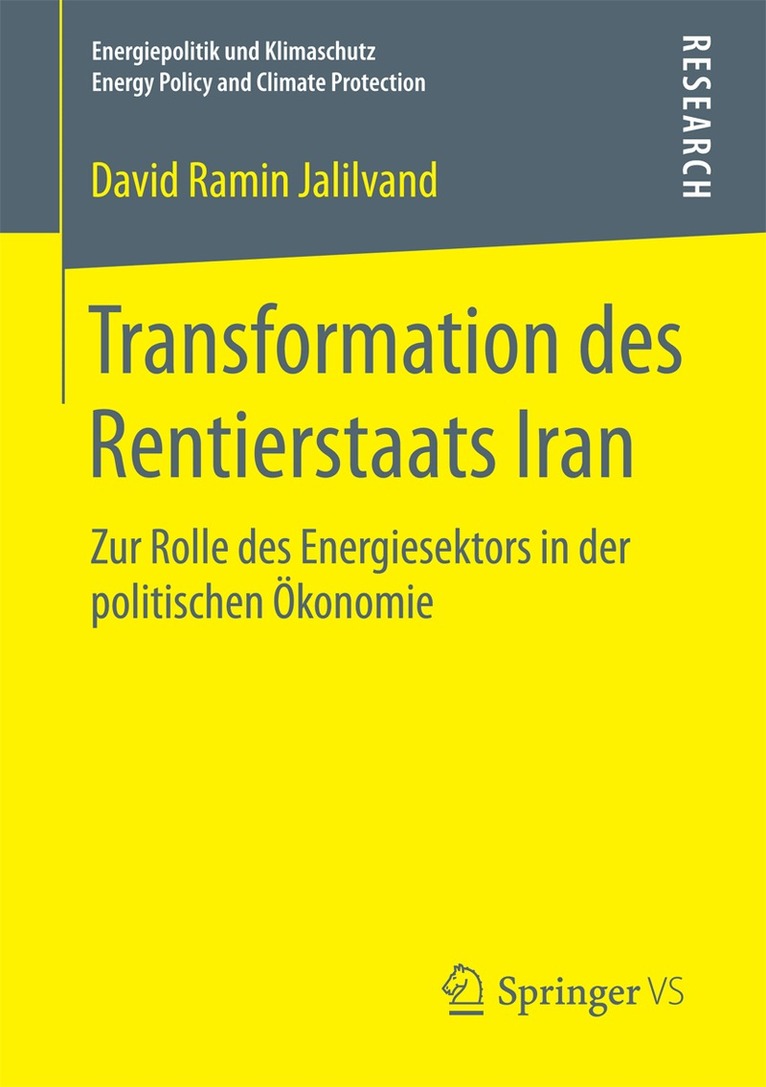
Transformation des Rentierstaats Iran
Zur Rolle des Energiesektors in der politischen Ökonomie
Häftad, 2016
568 kr
Lägg i varukorg
David Ramin Jalilvand diskutiert die Rolle des Energiesektors in der politischen Ökonomie Irans. Er untersucht, wie sich das Verhältnis von Energiesektor, Politik und Wirtschaft, insbesondere nach der Revolution 1979, entwickelt hat. Dabei skizziert er die Integration des Energiesektors ins Inland …
Transformation des Rentierstaats Iran
Zur Rolle des Energiesektors in der politischen Ökonomie
E-bok, 2016
587 kr
Lägg i varukorg
David Ramin Jalilvand diskutiert die Rolle des Energiesektors in der politischen Ökonomie Irans. Er untersucht, wie sich das Verhältnis von Energiesektor, Politik und Wirtschaft, insbesondere nach der Revolution 1979, entwickelt hat. Dabei skizziert er die Integration des Energiesektors ins Inland …