David Runciman – författare
Visar alla böcker från författaren David Runciman. Handla med fri frakt och snabb leverans.
32 produkter
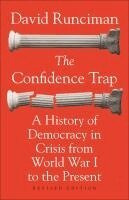
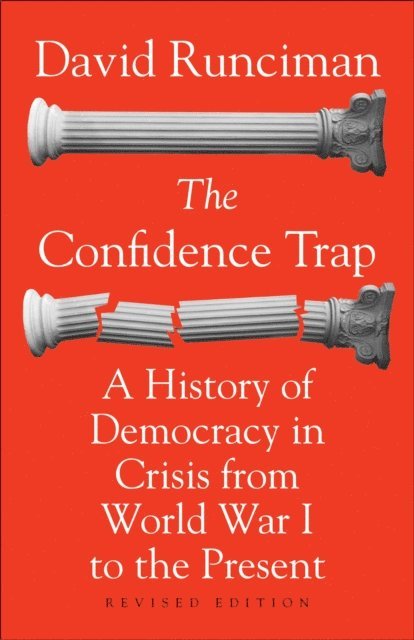
Confidence Trap
A History of Democracy in Crisis from World War I to the Present - Revised Edition
Häftad, 2017
139 kr
Lägg i varukorg
Why do democracies keep lurching from success to failure? The current financial crisis is just the latest example of how things continue to go wrong, just when it looked like they were going right. In this wide-ranging, original, and compelling book, David Runciman tells the story of modern …
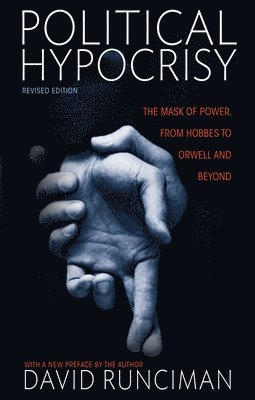
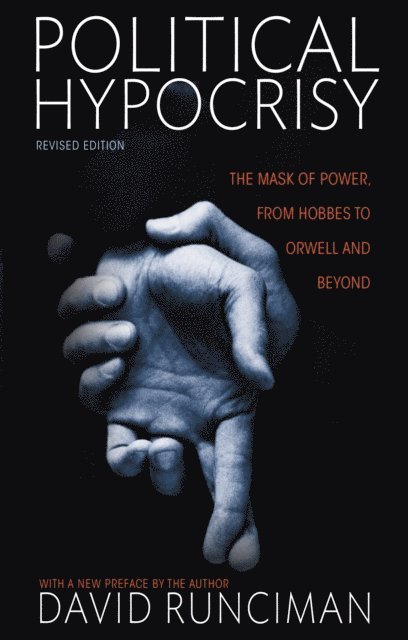
Political Hypocrisy
The Mask of Power, from Hobbes to Orwell and Beyond, Revised Edition
Häftad, 2018
178 kr
Lägg i varukorg
What kind of hypocrite should voters choose as their next leader? The question seems utterly cynical. But, as David Runciman suggests, it is actually much more cynical to pretend that politics can ever be completely sincere. Political Hypocrisy is a timely, and timeless, book on the problems of …
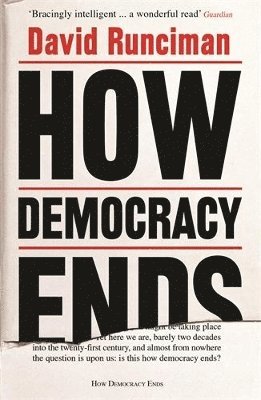
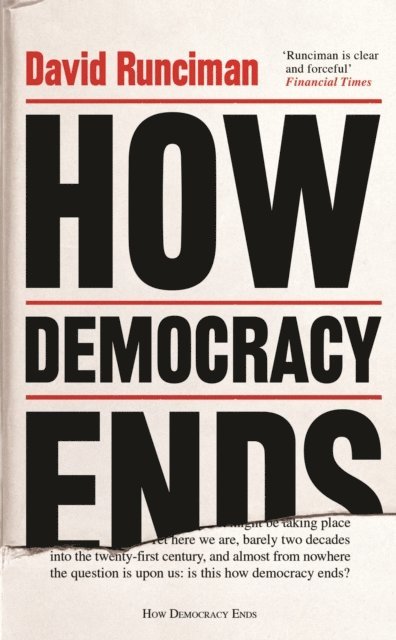
How Democracy Ends
Häftad, 2019
5,0 utav 5 stjärnor. Totalt antal röster: (1)
134 kr
Lägg i varukorg
'Scintillating ... thought-provoking ... one of the very best of the great crop of recent books on the subject.' Andrew Rawnsley, ObserverDemocracy has died hundreds of times, all over the world. We think we know what that looks like: chaos descends and the military arrives to restore order, until …
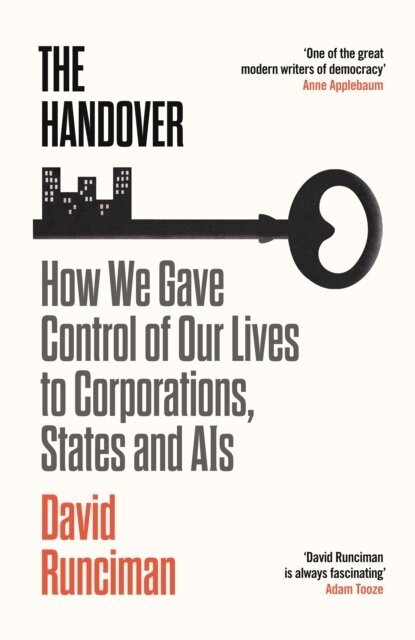
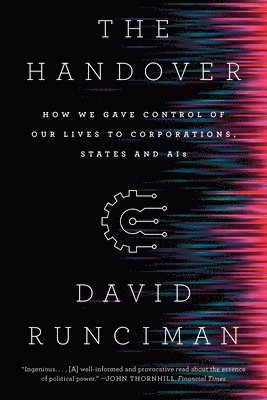
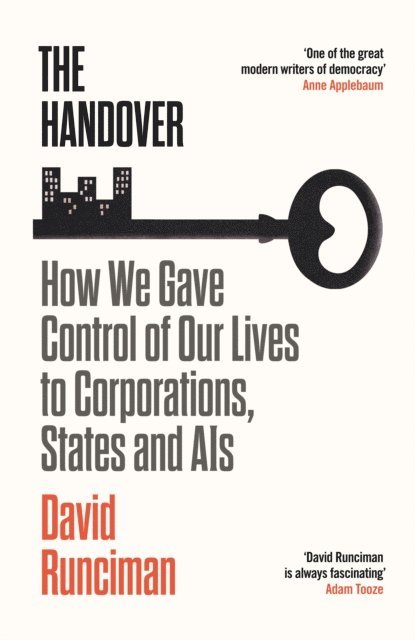
Handover
How We Gave Control of Our Lives to Corporations, States and AIs
Häftad, 2024
153 kr
Lägg i varukorg
'The Singularity' is what Silicon Valley calls the idea that, eventually, we will be overrun by machines that are able to take decisions and act for themselves. What no one says is that it happened before. A few hundred years ago, humans started building the robots that now rule our world. They are …
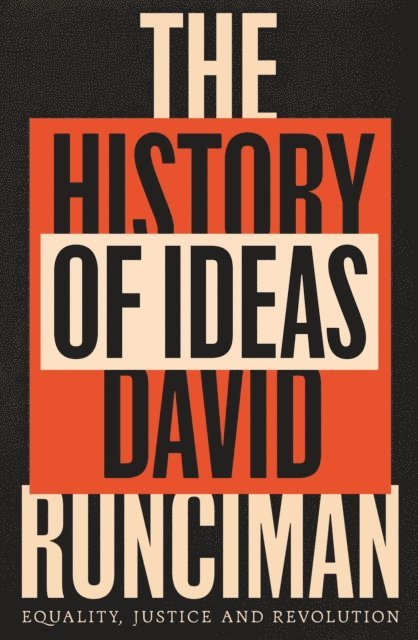
History of Ideas
Equality, Justice and Revolution
Inbunden, 2024
277 kr
Lägg i varukorg
THE TIMES BEST IDEAS BEST BOOKS OF THE YEAR 2024 'A splendid book: economical, invigorating and surprising' The Times'He has that gift, both as a podcaster and as a writer, to illuminate abstruse and abstract ideas with human charm' ObserverIn this bold new follow-up to Confronting Leviathan, David …
History of Ideas
Equality, Justice and Revolution
Häftad, 2025
131 kr
Lägg i varukorg
THE TIMES BEST IDEAS BEST BOOKS OF THE YEAR 2024 'A splendid book: economical, invigorating and surprising' The Times'He has that gift, both as a podcaster and as a writer, to illuminate abstruse and abstract ideas with human charm' ObserverIn this bold new follow-up to Confronting Leviathan, David …
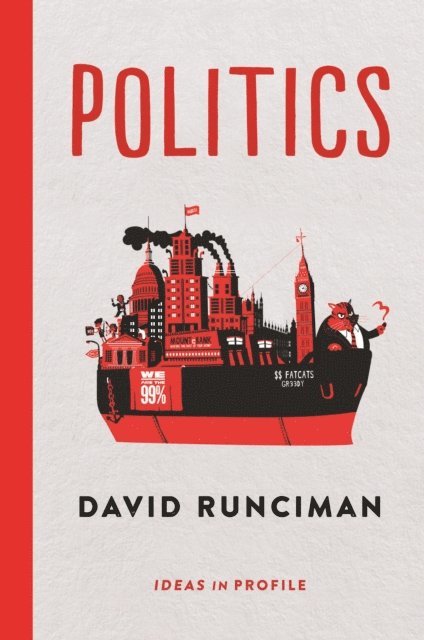
Politics: Ideas in Profile
Häftad, 2014
110 kr
Lägg i varukorg
Ideas in Profile: Small Introductions to Big TopicsIn the first title of an exciting new series one of the world's leading political scientists asks the big questions about politics: what is it, why we do we need it and where, in these turbulent times, is it heading? From the gap between rich and …
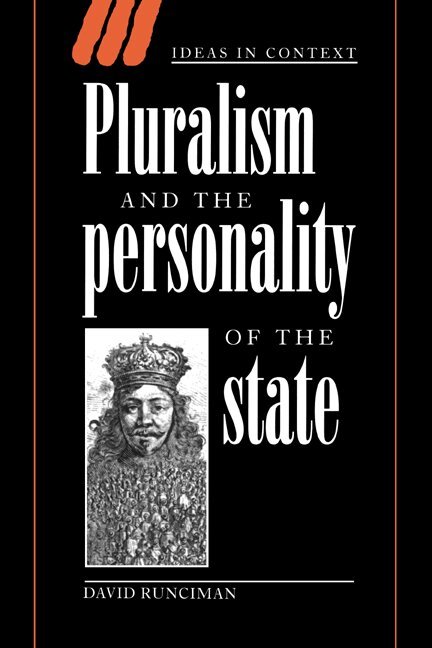
Pluralism and the Personality of the State
Av David Runciman, Quentin Skinner m. fl.
Häftad, 2005
455 kr
Lägg i varukorg
Set against the broad context of philosophical arguments about group and state personality, Pluralism and the Personality of the State tells, for the first time, the history of political pluralism. The pluralists believed that the state was simply one group among many, and could not therefore be …
Maitland: State, Trust and Corporation
Av F. W. Maitland, David Runciman m. fl.
Häftad, 2003
536 kr
Lägg i varukorg
The essays collected in State, Trust and Corporation contain the reflections of England's greatest legal historian on the legal, historical and philosophical origins of the idea of the state. All written in the first years of the twentieth century, Maitland's essays are classics both of historical …
Pluralism and the Personality of the State
Av David Runciman, Quentin Skinner
Inbunden, 1997
1710 kr
Lägg i varukorg
Set against the broad context of philosophical arguments about group and state personality, Pluralism and the Personality of the State tells, for the first time, the history of political pluralism. The pluralists believed that the state was simply one group among many, and could not therefore be …
Maitland: State, Trust and Corporation
Av F. W. Maitland, David Runciman m. fl.
Inbunden, 2003
1302 kr
Lägg i varukorg
The essays collected in State, Trust and Corporation contain the reflections of England's greatest legal historian on the legal, historical and philosophical origins of the idea of the state. All written in the first years of the twentieth century, Maitland's essays are classics both of historical …
Representation
Av Monica Brito Vieira, David Runciman
Inbunden, 2008
911 kr
Lägg i varukorg
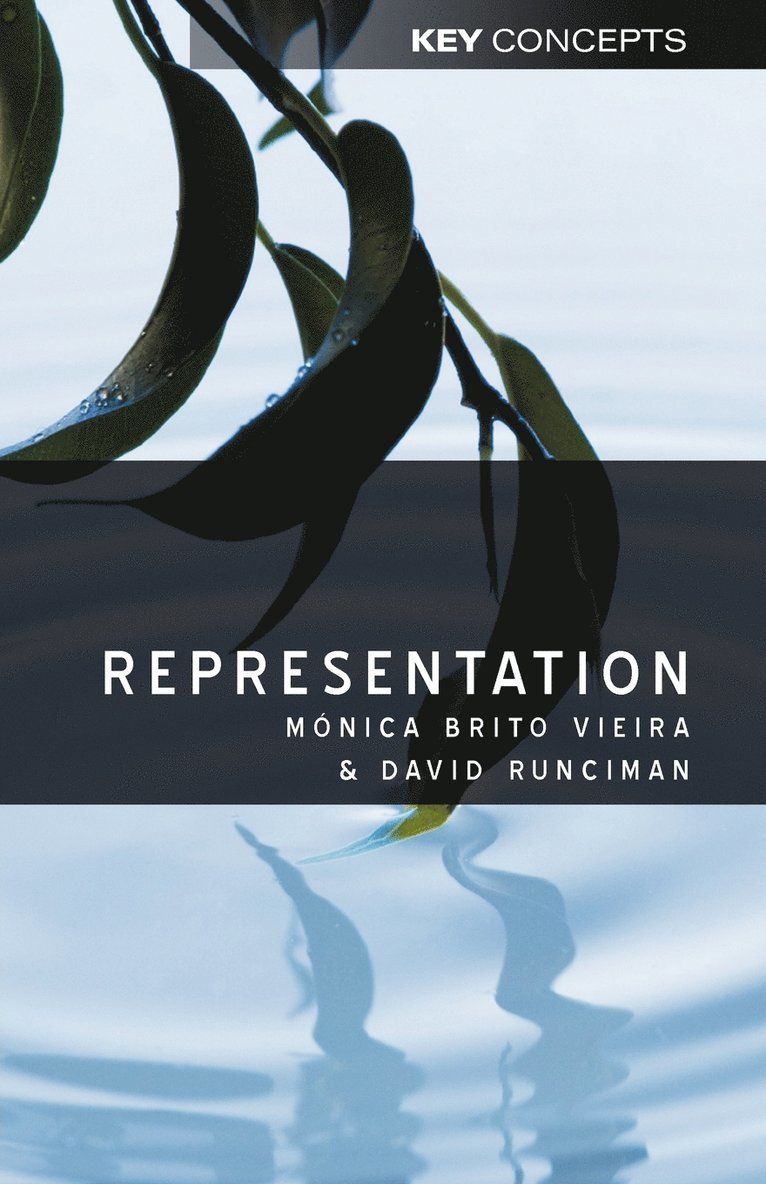
What is representation? What does it mean when a politician represents citizens in government? How can citizens be represented beyond the boundaries of the nation-state? These are just some of the questions which will be answered by David Runciman and Mónica Brito Vieira as they explain why …
Representation
Av Monica Brito Vieira, David Runciman
Häftad, 2008
308 kr
Lägg i varukorg
What is representation? What does it mean when a politician represents citizens in government? How can citizens be represented beyond the boundaries of the nation-state? These are just some of the questions which will be answered by David Runciman and Mónica Brito Vieira as they explain why …
Representation
Av David Runciman, Monica Brito Vieira
E-bok, 2013
294 kr
Lägg i varukorg
What is representation? What does it mean when a politician represents citizens in government? How can citizens be represented beyond the boundaries of the nation-state? These are just some of the questions which will be answered by David Runciman and Mónica Brito Vieira as they explain why …
The Handover – How We Gave Control of Our Lives to Corporations, States and AIs
How We Gave Control of Our Lives to Corporations, States and AIs
Häftad, 2026
258 kr
Lägg i varukorg
Countless books, news reports, and opinion pieces have announced the impending arrival of artificial intelligence, with most claiming that it will upend our world, revolutionizing not just work but society overall. Yet according to political philosopher and historian David Runciman, we've actually …
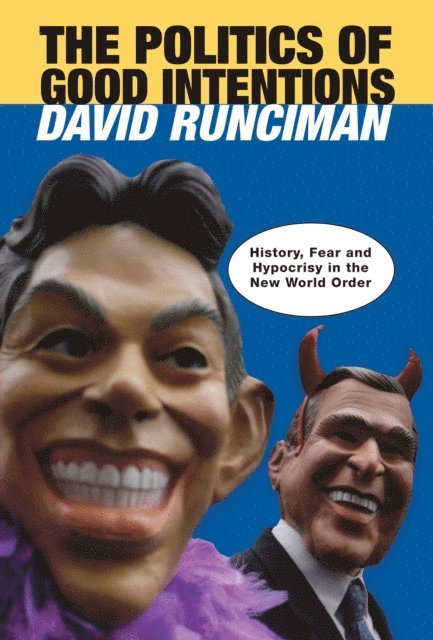
Politics of Good Intentions
History, Fear and Hypocrisy in the New World Order
E-bok, 2009
856 kr
Lägg i varukorg
Tony Blair has often said that he wishes history to judge the great political controversies of the early twenty-first century--above all, the actions he has undertaken in alliance with George W. Bush. This book is the first attempt to fulfill that wish, using the long history of the modern state to …
Confidence Trap
A History of Democracy in Crisis from World War I to the Present - Revised Edition
E-bok, 2017
191 kr
Lägg i varukorg
Why democracies believe they can survive any crisis—and why that belief is so dangerous Why do democracies keep lurching from success to failure? The current financial crisis is just the latest example of how things continue to go wrong, just when it looked like they were going right. In this …
Political Hypocrisy
The Mask of Power, from Hobbes to Orwell and Beyond, Revised Edition - Second Edition
E-bok, 2018
235 kr
Lägg i varukorg
What kind of hypocrite should voters choose as their next leader? The question seems utterly cynical. But, as David Runciman suggests, it is actually much more cynical to pretend that politics can ever be completely sincere. Political Hypocrisy is a timely, and timeless, book on the problems of …
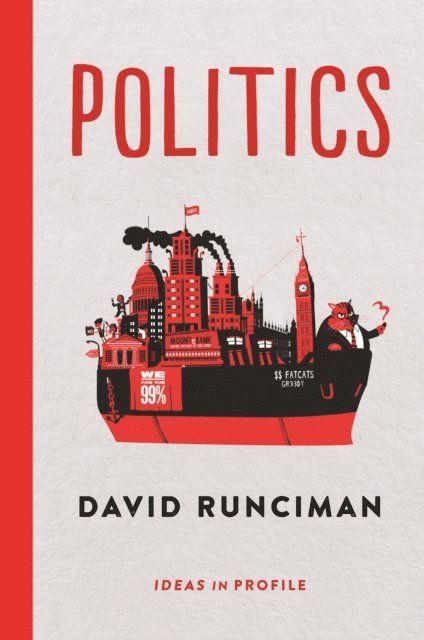
Politics: Ideas in Profile
E-bok, 2014
100 kr
Lägg i varukorg
Ideas in Profile: Small Introductions to Big TopicsIn the first title of an exciting new series one of the world''s leading political scientists asks the big questions about politics: what is it, why we do we need it and where, in these turbulent times, is it heading? From the gap between rich and …
Politics: Ideas in Profile
E-bok, 2014
100 kr
Lägg i varukorg
Ideas in Profile: Small Introductions to Big TopicsIn the first title of an exciting new series one of the world''s leading political scientists asks the big questions about politics: what is it, why we do we need it and where, in these turbulent times, is it heading? From the gap between rich and …
How Democracy Ends
E-bok, 2018
143 kr
Lägg i varukorg
''Scintillating ... thought-provoking ... one of the very best of the great crop of recent books on the subject.'' Andrew Rawnsley, Observer Democracy has died hundreds of times, all over the world. We think we know what that looks like: chaos descends and the military arrives to restore order, …
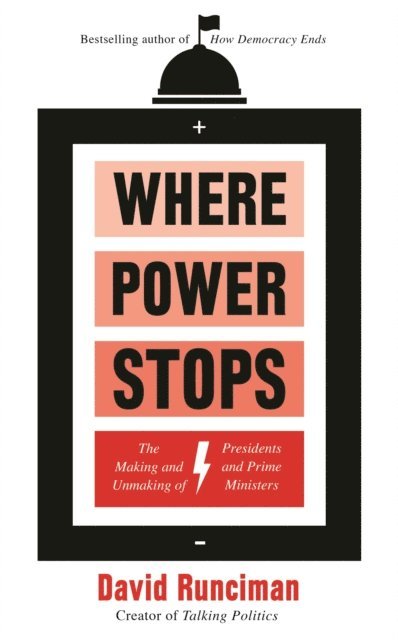
Where Power Stops
The Making and Unmaking of Presidents and Prime Ministers
E-bok, 2019
114 kr
Lägg i varukorg
Lyndon Baines Johnson, Margaret Thatcher, Bill Clinton, Tony Blair, Barack Obama, Gordon Brown, Theresa May, and Donald Trump: each had different motivations, methods, and paths, but they all sought the highest office. And yet when they reached their goal, they often found that the power they had …
Handover
How We Gave Control of Our Lives to Corporations, States and AIs
E-bok, 2023
126 kr
Lägg i varukorg
''The Singularity'' is what Silicon Valley calls the idea that, eventually, we will be overrun by machines that are able to take decisions and act for themselves. What no one says is that it happened before. A few hundred years ago, humans started building the robots that now rule our world. They …
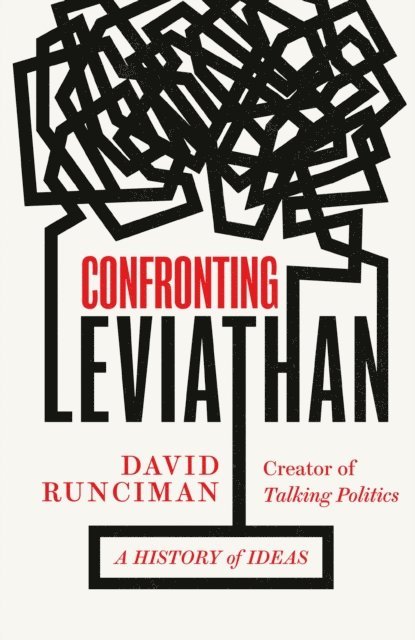
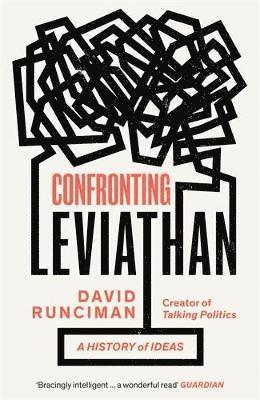
Confronting Leviathan
A History of Ideas
E-bok, 2021
113 kr
Lägg i varukorg
''Bracingly intelligent ... a wonderful read'' Guardian''Incredibly timely ... presented [with] wonderful elegance and clarity'' Irish TimesBased on the History Of Ideas podcast series by Talking Politics host David Runciman, Confronting Leviathan explores some of the most important thinkers and …
Where Power Stops
The Making and Unmaking of Presidents and Prime Ministers
Häftad, 2020
119 kr
Lägg i varukorg
Lyndon Baines Johnson, Margaret Thatcher, Bill Clinton, Tony Blair, Barack Obama, Gordon Brown, Theresa May, and Donald Trump: each had different motivations, methods, and paths, but they all sought the highest office. And yet when they reached their goal, they often found that the power they had …
Handover
How We Gave Control of Our Lives to Corporations, States and AIs
Inbunden, 2023
219 kr
Lägg i varukorg
'The Singularity' is what Silicon Valley calls the idea that, eventually, we will be overrun by machines that are able to take decisions and act for themselves. What no one says is that it happened before. A few hundred years ago, humans started building the robots that now rule our world. They are …
Confronting Leviathan
A History of Ideas
Häftad, 2022
134 kr
Lägg i varukorg
'Bracingly intelligent ... a wonderful read' Guardian'Incredibly timely ... presented [with] wonderful elegance and clarity' Irish TimesBased on the History Of Ideas podcast series by Talking Politics host David Runciman, Confronting Leviathan explores some of the most important thinkers and …
History of Ideas
Equality, Justice and Revolution
E-bok, 2024
132 kr
Lägg i varukorg
THE TIMES BEST IDEAS BEST BOOKS OF THE YEAR 2024 ''A splendid book: economical, invigorating and surprising'' The Times''He has that gift, both as a podcaster and as a writer, to illuminate abstruse and abstract ideas with human charm'' ObserverIn this bold new follow-up to Confronting Leviathan, …
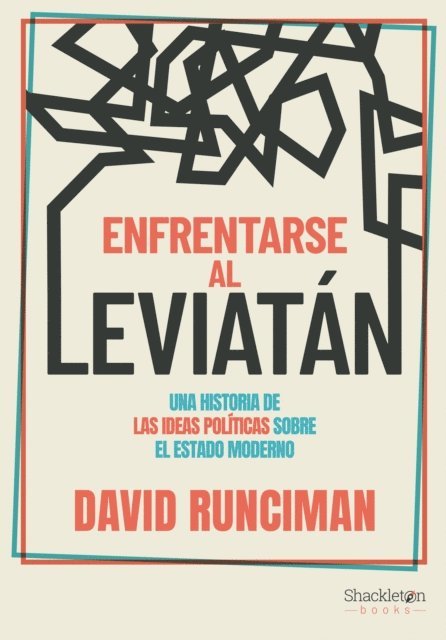
Enfrentarse al Leviatán
Una historia de las ideas políticas sobre el estado moderno
E-bok, 2023
137 kr
Lägg i varukorg
Una relectura de las ideas de 12 grandes clásicos de la filosofía política para entender los problemas de hoy en día. En 1651 Thomas Hobbes escogió como título para la obra con la que se inauguraba la filosofía política moderna el nombre de un monstruo que aparecía en el Libro de Job. Era el …
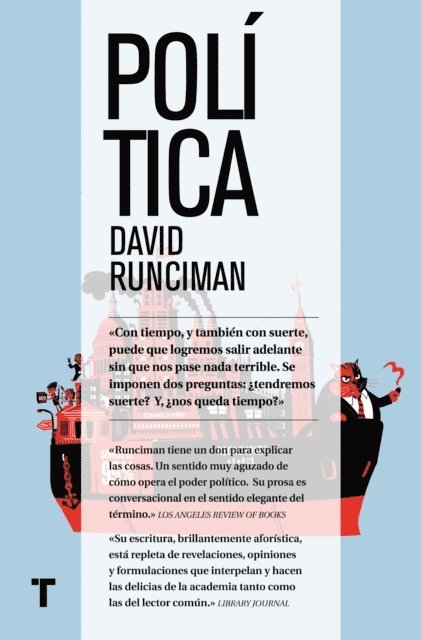
Política
E-bok, 2016
79 kr
Lägg i varukorg
"Con tiempo, y también con suerte, puede que logremos salir adelante sin que nos pase nada terrible. Se imponen dos preguntas: ¿tendremos suerte? Y, ¿nos queda tiempo?"¿Cuál es la diferencia entre vivir hoy en Dinamarca o en Siria? Efectivamente, la política. El primero es un país con un sistema …