Davide Longato – författare
Visar alla böcker från författaren Davide Longato. Handla med fri frakt och snabb leverans.
5 produkter
5 produkter
Inbunden, Engelska, 2026
3 020 kr
Skickas inom 10-15 vardagar
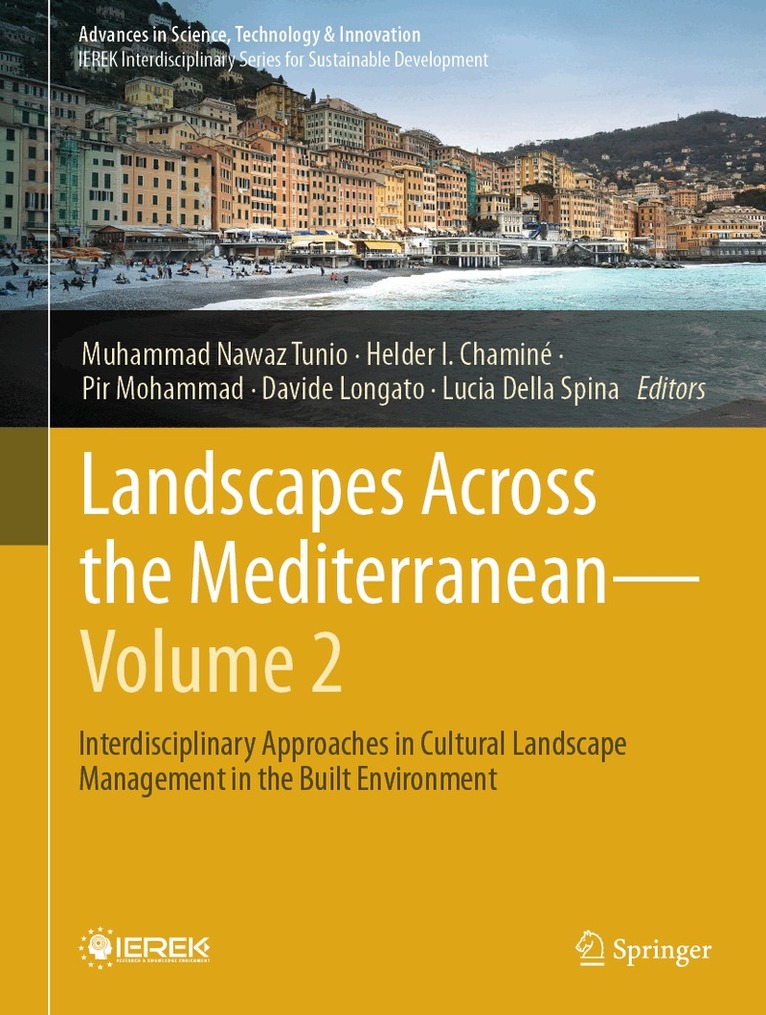
This book presents a comprehensive exploration of the interplay between cultural heritage, landscape, and sustainable development in the Mediterranean region. This book opens with a focus on Cultural Heritage, Landscape, and Identity, examining the material and symbolic dimensions of historic environments.The book also features rich case studies that highlight the relationship between natural and built heritage, including the Posta Fibreno Lake, the rock settlements of Monte San Giuliano, and the cultural significance of sites like Capo Colonna and Gerace. Also, this book addresses Adaptive Reuse and Sustainable Development of Cultural Landscapes, offering innovative strategies such as sustainable reuse of abandoned railways, circular regeneration plans for rural villages, and the balancing of natural preservation with urban and coastal development, including Venice's response to rising sea levels. In addition to this book delves into Nature-Based Solutions and Environmental Regeneration, showcasing tools for environmental offsetting, green infrastructure integration, climate resilience in Marzamemi, and the spatial impacts of tourism in Puglia and the Adriatic. In Technological Innovation, Energy and Environmental Sustainability, the book examines advanced methodologies --ranging from fuzzy logic models for energy systems to wildfire risk management and urban heat mapping --while also addressing accessibility and green mobility. Structural Safety, Material Innovation, and Conservation Technologies follows, highlighting digital tools in structural analysis, AI-powered crack detection, and sustainable construction materials such as cactus-based roof tiles. Finally, the book section on Sustainable Design, Regeneration, and Circular Economy Practices reflects on design and manufacturing synergy, public space revitalization, housing equity, and resource management, drawing lessons from both Mediterranean and international contexts. Together, these chapters of this book offer a rich, multidisciplinary approach to heritage preservation and future-oriented environmental and architectural practices.
E-bok
Engelska, 20263 923 kr
Läs direkt efter köp
This book presents a comprehensive exploration of the interplay between cultural heritage, landscape, and sustainable development in the Mediterranean region. This book opens with a focus on Cultural Heritage, Landscape, and Identity, examining the material and symbolic dimensions of historic environments.The book also features rich case studies that highlight the relationship between natural and built heritage, including the Posta Fibreno Lake, the rock settlements of Monte San Giuliano, and the cultural significance of sites like Capo Colonna and Gerace. Also, this book addresses Adaptive Reuse and Sustainable Development of Cultural Landscapes, offering innovative strategies such as sustainable reuse of abandoned railways, circular regeneration plans for rural villages, and the balancing of natural preservation with urban and coastal development, including Venice's response to rising sea levels. In addition to this book delves into Nature-Based Solutions and Environmental Regeneration, showcasing tools for environmental offsetting, green infrastructure integration, climate resilience in Marzamemi, and the spatial impacts of tourism in Puglia and the Adriatic. In Technological Innovation, Energy and Environmental Sustainability, the book examines advanced methodologies --ranging from fuzzy logic models for energy systems to wildfire risk management and urban heat mapping --while also addressing accessibility and green mobility. Structural Safety, Material Innovation, and Conservation Technologies follows, highlighting digital tools in structural analysis, AI-powered crack detection, and sustainable construction materials such as cactus-based roof tiles. Finally, the book section on Sustainable Design, Regeneration, and Circular Economy Practices reflects on design and manufacturing synergy, public space revitalization, housing equity, and resource management, drawing lessons from both Mediterranean and international contexts. Together, these chapters of this book offer a rich, multidisciplinary approach to heritage preservation and future-oriented environmental and architectural practices.
Inbunden, Engelska, 2026
2 697 kr
Skickas inom 10-15 vardagar
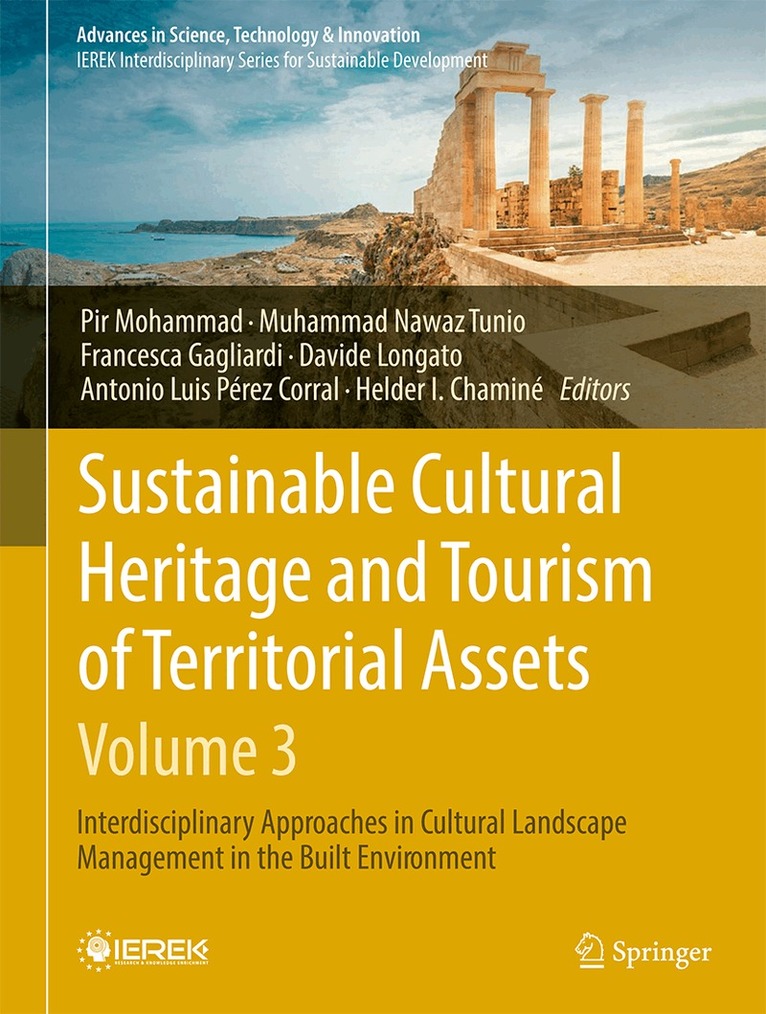
This book offers a multidisciplinary exploration of the Mediterranean region through the lenses of environmental design, heritage conservation, urban regeneration, and sustainable territorial development. Divided into four interconnected parts, this book examines the intricate relationship between natural landscapes, architecture and archaeology, highlighting innovative approaches to environmental management and adaptive design. It focuses on heritage and identity, emphasizing the role of cultural and architectural heritage in shaping collective memory and resilience, supported by digital and analytical tools for preservation. This book addresses urban tourism and regeneration, investigating cultural and economic drivers of urban transformation, community engagement and sustainable tourism practices. Finally, the chapters of book explore landscape values and socio-economic impacts, presenting models for sustainability assessment, resilience planning and energy transition across Mediterranean contexts. Together, these contributions present a comprehensive reflection on the evolving dialogue between nature, culture and technology in shaping sustainable and equitable futures for Mediterranean territories.
E-bok
Engelska, 20263 451 kr
Läs direkt efter köp
This book offers a multidisciplinary exploration of the Mediterranean region through the lenses of environmental design, heritage conservation, urban regeneration, and sustainable territorial development. Divided into four interconnected parts, this book examines the intricate relationship between natural landscapes, architecture and archaeology, highlighting innovative approaches to environmental management and adaptive design. It focuses on heritage and identity, emphasizing the role of cultural and architectural heritage in shaping collective memory and resilience, supported by digital and analytical tools for preservation. This book addresses urban tourism and regeneration, investigating cultural and economic drivers of urban transformation, community engagement and sustainable tourism practices. Finally, the chapters of book explore landscape values and socio-economic impacts, presenting models for sustainability assessment, resilience planning and energy transition across Mediterranean contexts. Together, these contributions present a comprehensive reflection on the evolving dialogue between nature, culture and technology in shaping sustainable and equitable futures for Mediterranean territories.
Häftad, Engelska, 2026
3 299 kr
Skickas
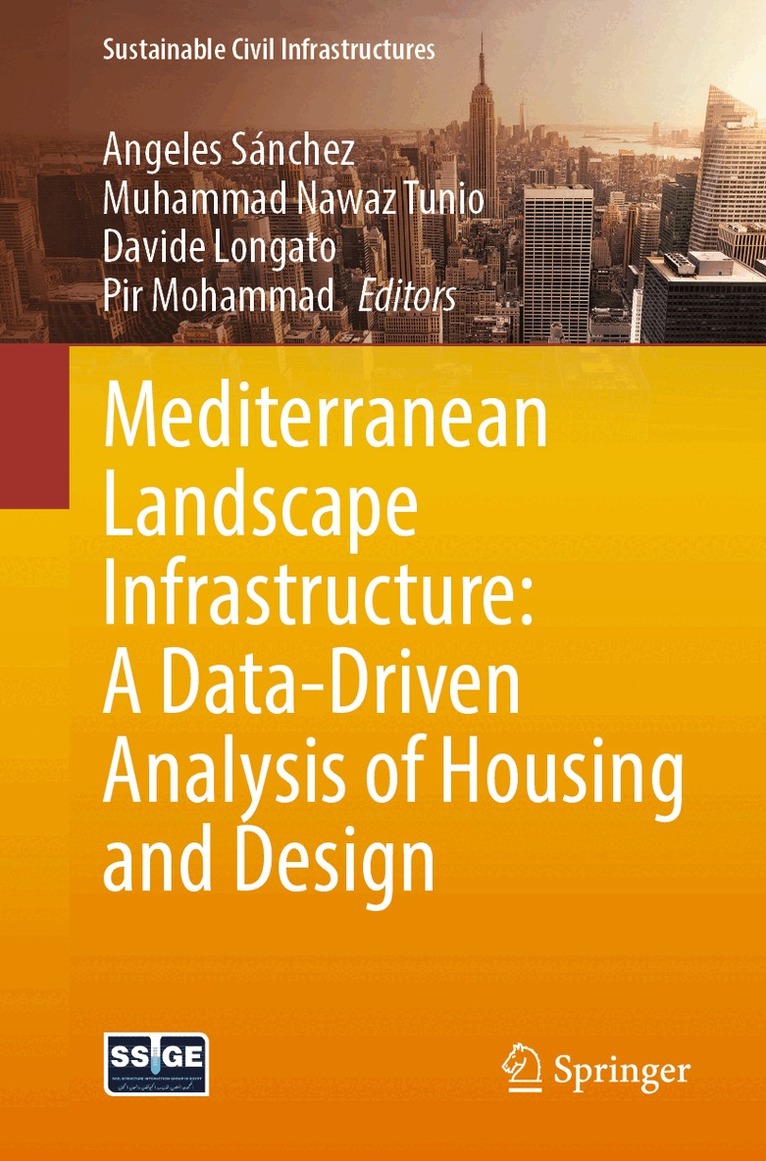
This book brings together a rich and multidisciplinary collection of studies addressing the evolving intersections between mobility infrastructures, landscape transformation, and the adaptive reuse of architecture in the context of climate change, sustainable development, and technological innovation. Also, this book explores how transportation systems, tourism, and infrastructure planning shape and respond to changing environmental and societal conditions. It begins with a reflection on adaptive architectural responses to Mediterranean climate shifts, followed by an investigation of vehicle-to-grid (V2G) systems that enhance grid flexibility and renewable energy use. This book further delves into the key factors in developing sustainable railway corridors, the SILENT project's approach to eco-friendly road pavements, and the evolving landscape of e-commerce delivery systems through a multi-stakeholder lens. It also presents case studies on nautical tourism planning, examines governance and regulatory challenges in implementing the Mobility as a Service (MaaS) paradigm in Italy, and closes with a comparative analysis of nautical tourism infrastructures in Greece and Italy. The book focuses on the use of data, digital tools, and analytical models in landscape assessment and planning. It includes a proposal for a digital taxonomy of construction and landscape resources and addresses coastal vulnerability to sea-level rise and seismic liquefaction. Through methods such as the ANP-BOCR model, it evaluates urban forestation projects in Palermo, while another contribution explores co-designed housing scenarios in Rome. The use of digital prototyping for assessing climate impacts on cultural and natural heritage is presented alongside tools for regenerative design and user profiling. This book also considers thermal comfort in public spaces, emphasizing the role of building-integrated solar systems in diverse climates, and introduces a data acquisition approach to analyze high-speed railway networks. In addition to, this book addresses the reuse of architecture through a critical lens that merges heritage, innovation, and sustainability.