Dean C. Delis – författare
Visar alla böcker från författaren Dean C. Delis. Handla med fri frakt och snabb leverans.
6 produkter
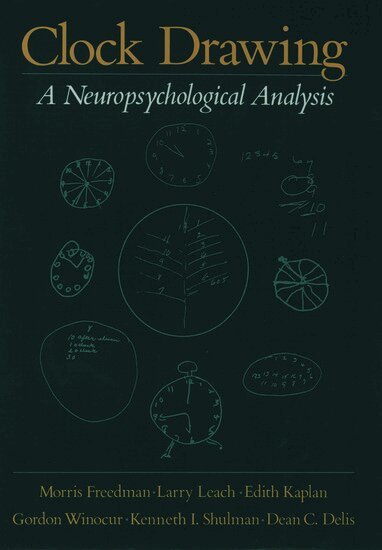
Clock Drawing
A Neuropsychological Analysis
Av Morris Freedman, Larry Leach m. fl.
Inbunden, 1994
1488 kr
Lägg i varukorg
Written by a multi-disciplinary team of experts in neurobehaviour, this concise, well-illustrated book provides long-awaited normative data on clock drawing from ages 20 to 90 years.A practical guide to the quantitative assessment of clock drawing, it also takes a process-oriented approach to …
Technology and Neuropsychology
Teaching, Testing, and Treatment Considerations
Av Jared F. Benge, Sophie I. Leib m. fl.
Häftad, 2026
815 kr
Lägg i varukorg
Technology and Neuropsychology explores the evolving intersection between digital innovation and clinical neuropsychology research and practice. The volume brings together leading experts to examine how technology is reshaping core aspects of neuropsychological practice across education, …
Clock Drawing
A Neuropsychological Analysis
Av Dean C. Delis, Kenneth Shulman m. fl.
E-bok, 1994
812 kr
Lägg i varukorg
Written by a multidisciplinary team of experts in neurobehavior, this concise, well-illustrated book provides normative data on clock drawing from ages 20 to 90 years. A practical guide to the quantitative assessment of clock drawing, it also takes a process-oriented approach to qualitative …
Passion Trap
Where is Your Relationship Going?
Av Dean C. Delis, Cassandra M. Phillips
Häftad, 2002
209 kr
Lägg i varukorg
Ich lieb' dich nicht, wenn du mich liebst
Av Cassandra Phillips, Dean C. Delis
Häftad, 2023
180 kr
Lägg i varukorg
Ich lieb dich nicht, wenn du mich liebst
Nähe und Distanz in Liebesbeziehungen
Av Dean C. Delis, Cassandra Phillips
E-bok, 2011
102 kr
Lägg i varukorg
Der Beziehungsratgeber des Psychotherapeuten Prof. Dr. Dean C. Delis und der freien Autorin Cassandra Phillips: leicht verständlich, augenöffnend und sofort umsetzbar!Was tun, wenn eine(r) zu sehr liebt?Warum funktionieren so viele Liebesbeziehungen nicht? Schuld daran ist oft ein Ungleichgewicht …