Deanna M. Gillespie – författare
3 007 kr
Läs direkt efter köp
Southern Association for Women Historians Julia Cherry Spruill Prize
Finalist, Hooks National Book Award
Honorable Mention, Frances S. Summersell Center for the Study of the South Deep South Book Prize
How Black women used lessons in literacy to crack the foundation of white supremacy
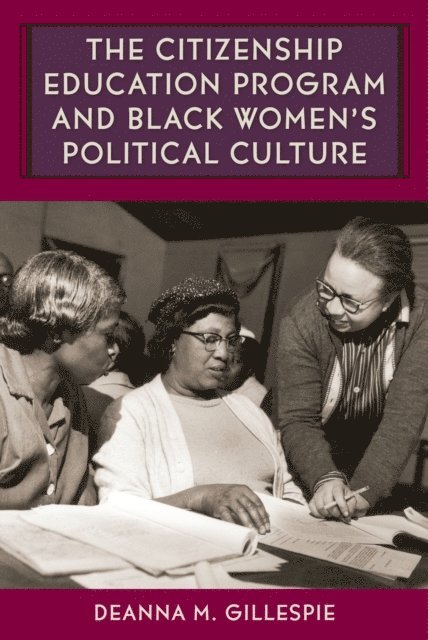
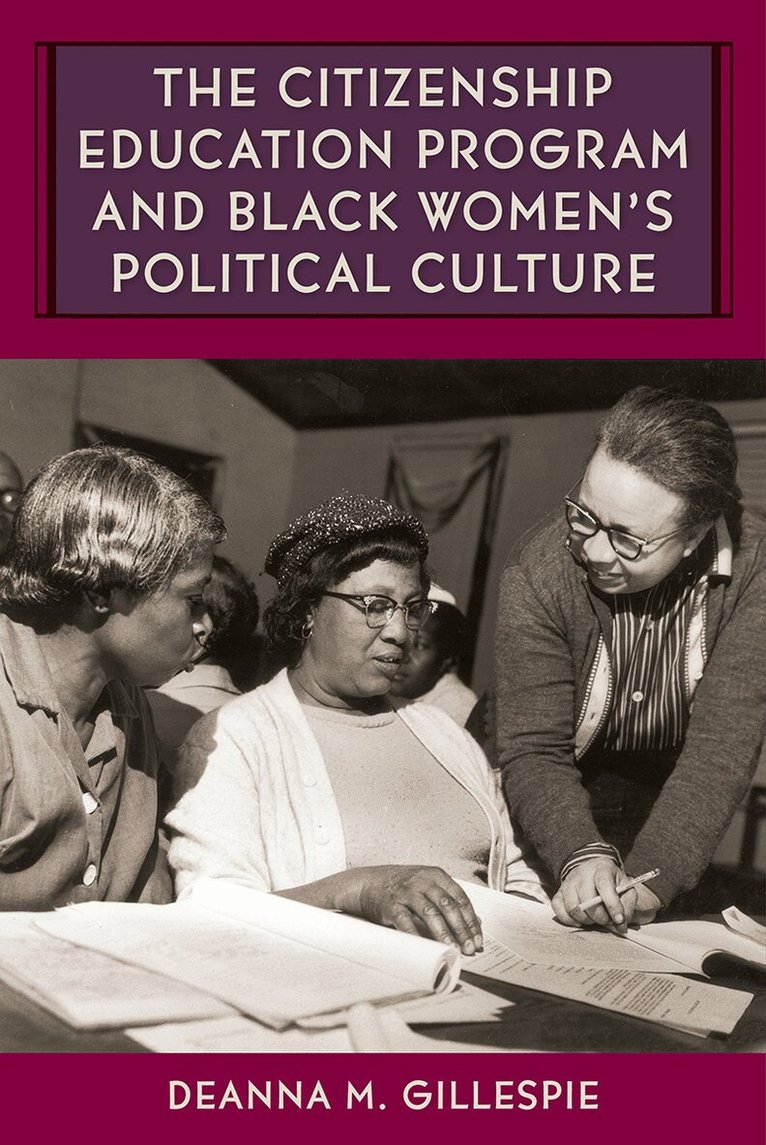
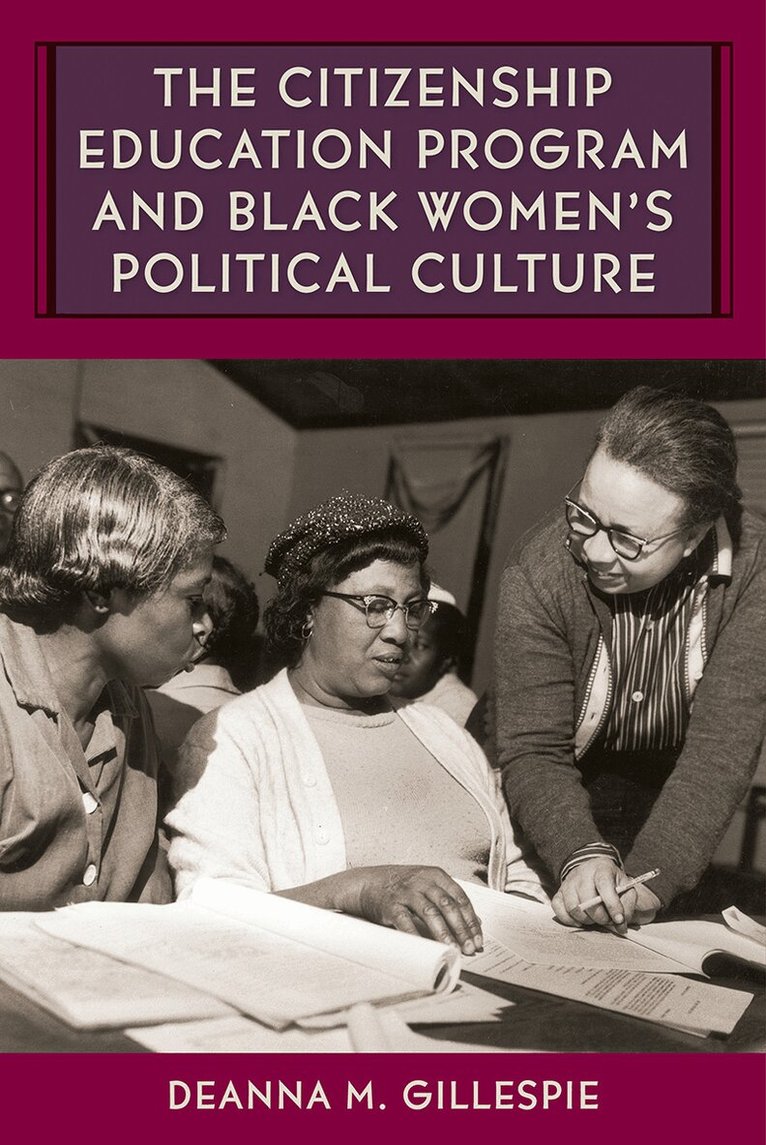
Thisbook details how African American women used lessons in basic literacy to crack the foundation of white supremacy and sow seeds for collective action during the civil rights movement. Deanna Gillespie traces the history of the Citizenship Education Program (CEP), a grassroots initiative that taught people to read and write in preparation for literacy tests required for voter registration—a profoundly powerful objective in the Jim Crow South.
Born in 1957 as a resultof discussions between community activist Esau Jenkins, schoolteacher Septima Clark, and Highlander Folk School director Myles Horton, the CEPbecame a part of the Southern Christian Leadership Conference in 1961. The teachers, mostly Black women, gathered friends and neighbors in living rooms, churches, beauty salons, and community centers. Through the work of the CEP, literate black men and women were able to gather their own information, determine fair compensation for a day’s work, andregister formal complaints.
Drawing on teachers’ reportsand correspondence, oral history interviews, and papers from a variety of civil rights organizations, Gillespie follows the growth of the CEP from its beginnings in the South Carolina Sea Islands to southeastern Georgia, the Mississippi Delta, and Alabama’s Black Belt. This book retells the story of the civil rights movement from the vantage point ofactivists who have often been overlooked and makeshift classrooms wherelocal people discussed, organized, and demanded change.
A volume in the series Southern Dissent, edited by Stanley Harrold and Randall M. Miller
1 017 kr
Skickas inom 10-15 vardagar
457 kr
Läs direkt efter köp
Southern Association for Women Historians Julia Cherry Spruill Prize
Finalist, Hooks National Book Award
Honorable Mention, Frances S. Summersell Center for the Study of the South Deep South Book Prize
How Black women used lessons in literacy to crack the foundation of white supremacy
Thisbook details how African American women used lessons in basic literacy to crack the foundation of white supremacy and sow seeds for collective action during the civil rights movement. Deanna Gillespie traces the history of the Citizenship Education Program (CEP), a grassroots initiative that taught people to read and write in preparation for literacy tests required for voter registration—a profoundly powerful objective in the Jim Crow South.
Born in 1957 as a resultof discussions between community activist Esau Jenkins, schoolteacher Septima Clark, and Highlander Folk School director Myles Horton, the CEPbecame a part of the Southern Christian Leadership Conference in 1961. The teachers, mostly Black women, gathered friends and neighbors in living rooms, churches, beauty salons, and community centers. Through the work of the CEP, literate black men and women were able to gather their own information, determine fair compensation for a day’s work, andregister formal complaints.
Drawing on teachers’ reportsand correspondence, oral history interviews, and papers from a variety of civil rights organizations, Gillespie follows the growth of the CEP from its beginnings in the South Carolina Sea Islands to southeastern Georgia, the Mississippi Delta, and Alabama’s Black Belt. This book retells the story of the civil rights movement from the vantage point ofactivists who have often been overlooked and makeshift classrooms wherelocal people discussed, organized, and demanded change.
A volume in the series Southern Dissent, edited by Stanley Harrold and Randall M. Miller
287 kr
Skickas inom 10-15 vardagar