Debbie Lewer – författare
Visar alla böcker från författaren Debbie Lewer. Handla med fri frakt och snabb leverans.
3 produkter
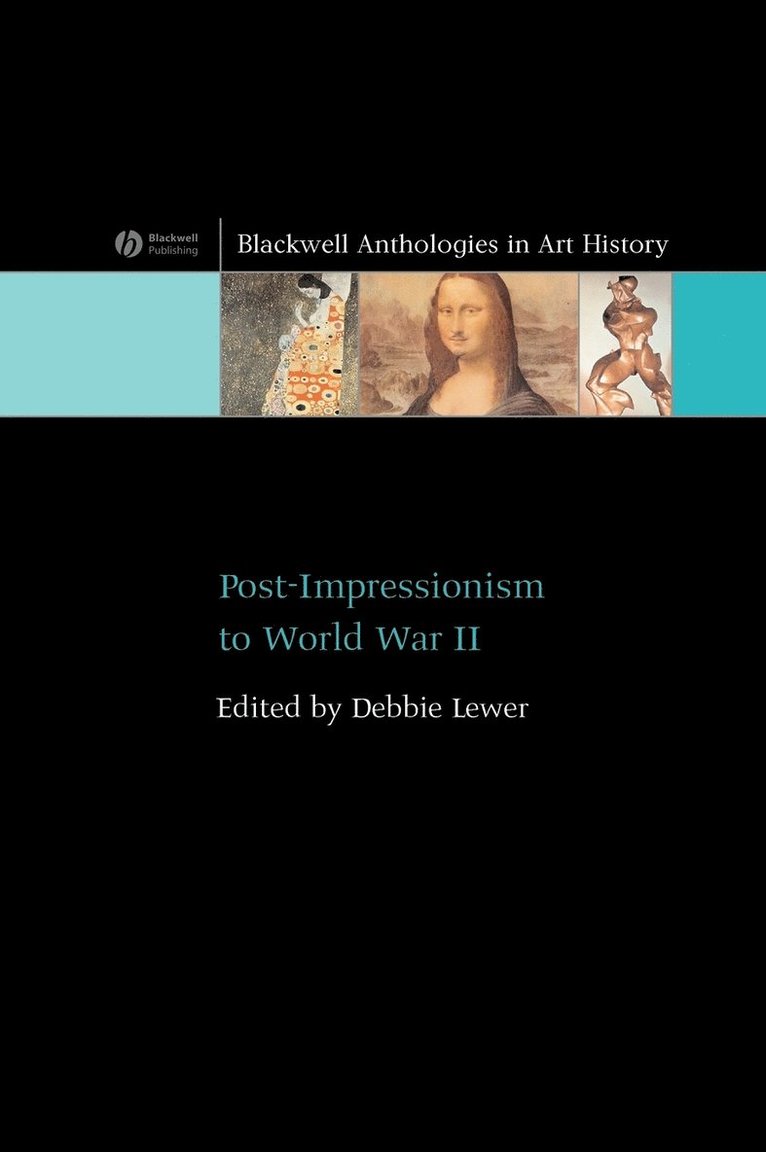
Post-Impressionism to World War II
Av Lewer, Debbie Lewer
Häftad, 2005
711 kr
Lägg i varukorg
Post-Impressionism to World War II is an exciting anthology of the best art history writings of the Post-Impressionist period.Several key essays by critics including Benjamin, Greenberg and Bürger knit together primary sources and classic, "canonical" criticism. Collects the most important writings …
Post-Impressionism to World War II
Av Lewer, Debbie Lewer
Inbunden, 2005
1759 kr
Lägg i varukorg
Post-Impressionism to World War II is an exciting anthology of the best art history writings of the Post-Impressionist period.Several key essays by critics including Benjamin, Greenberg and Bürger knit together primary sources and classic, "canonical" criticism. Collects the most important writings …
Post-Impressionism to World War II
Av Debbie Lewer
E-bok, 2012
788 kr
Lägg i varukorg
Post-Impressionism to World War II is an exciting anthology of the best art history writings of the Post-Impressionist period. Several key essays by critics including Benjamin, Greenberg and Bürger knit together primary sources and classic, “canonical” criticism. Collects the most important …