Deborah Arteaga – författare
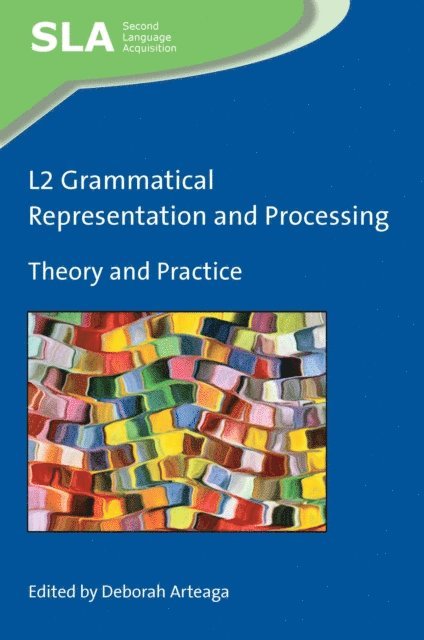
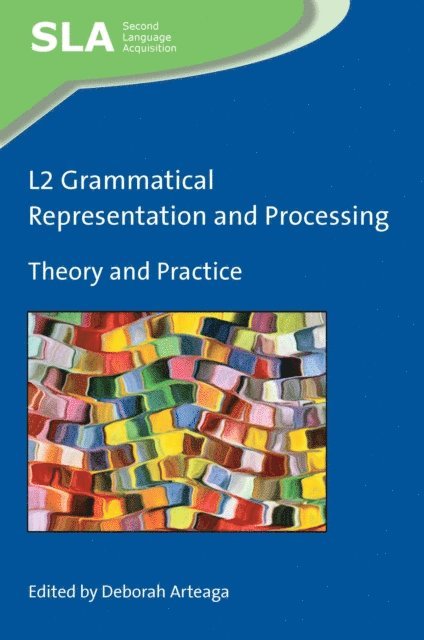
L2 Grammatical Representation and Processing
Theory and Practice
394 kr
Skickas inom 5-8 vardagar
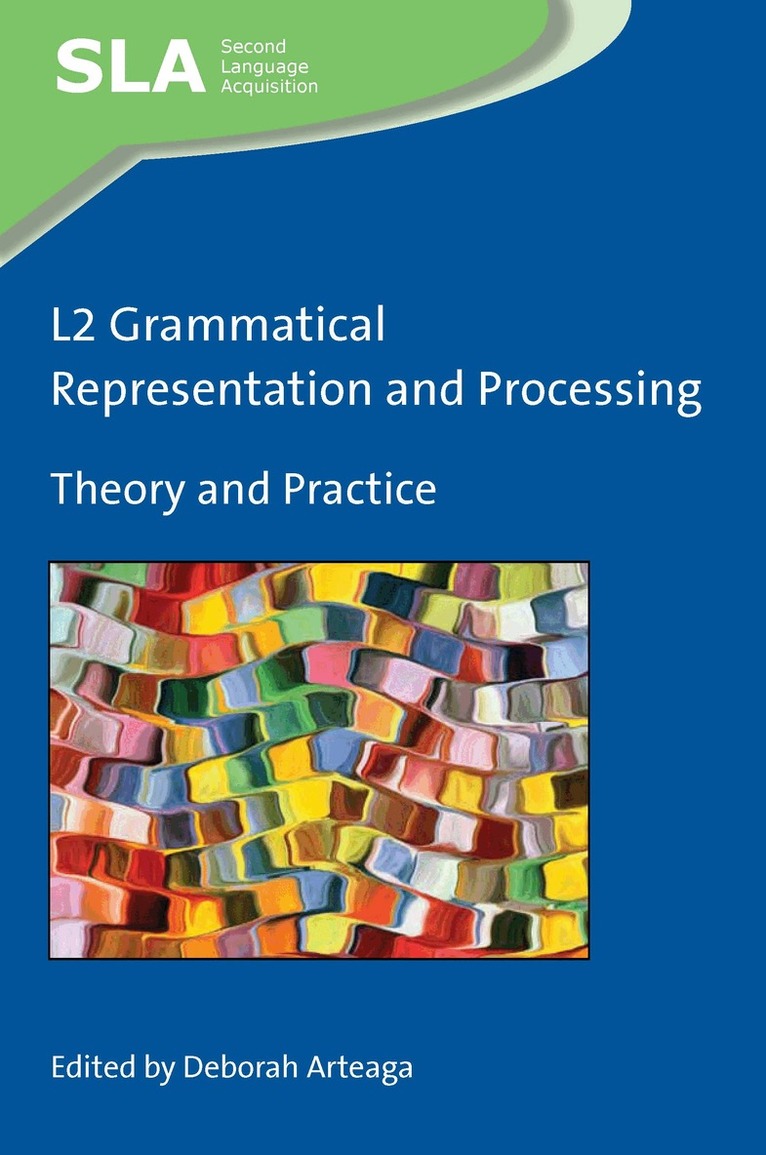
L2 Grammatical Representation and Processing
Theory and Practice
1 351 kr
Skickas inom 5-8 vardagar
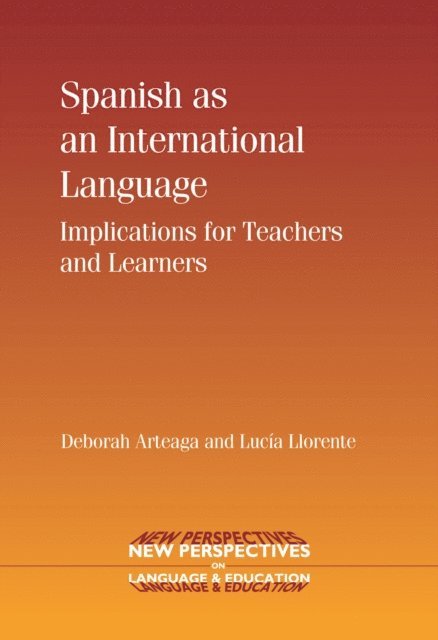
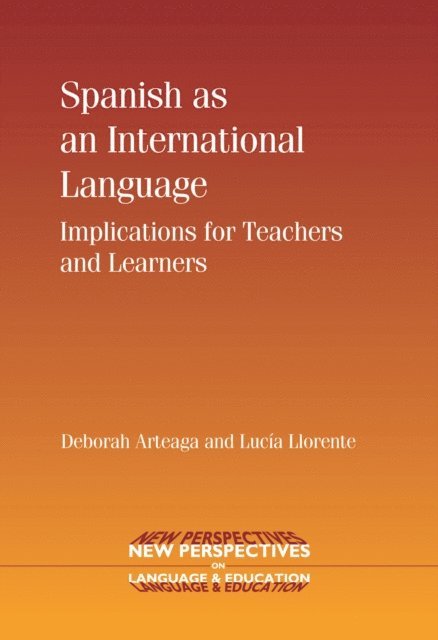
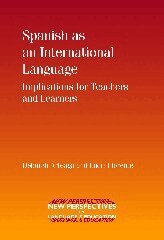
Spanish as an International Language
Implications for Teachers and Learners
414 kr
Skickas inom 5-8 vardagar
Spanish as an International Language
Implications for Teachers and Learners
1 229 kr
Skickas inom 5-8 vardagar
1 832 kr
Tillfälligt slut
Spanish is a pluricentric language, meaning that it has several centers of prestige (e.g., San Juan, Buenos Aires, Mexico City, Lima). Moreover, Spanish, like all languages, evinces sociolinguistic variation, in that levels of formality are expressed through the use of different structures. Given this variety, students of Spanish will inevitably come into contact with variation Spanish. This variation in Spanish adds layers of complexity to the learning and instruction of the Spanish language; therefore, a linguistic understanding of variation is crucial for our students to achieve communicative competence. This unique work, which provides an overview of the most important linguistic aspects of Spanish within a context that recognizes variation, assumes no prior linguistic knowledge and is appropriate as a valuable resource manual for teachers and learners of Spanish alike.
1 881 kr
Tillfälligt slut
1 775 kr
Tillfälligt slut
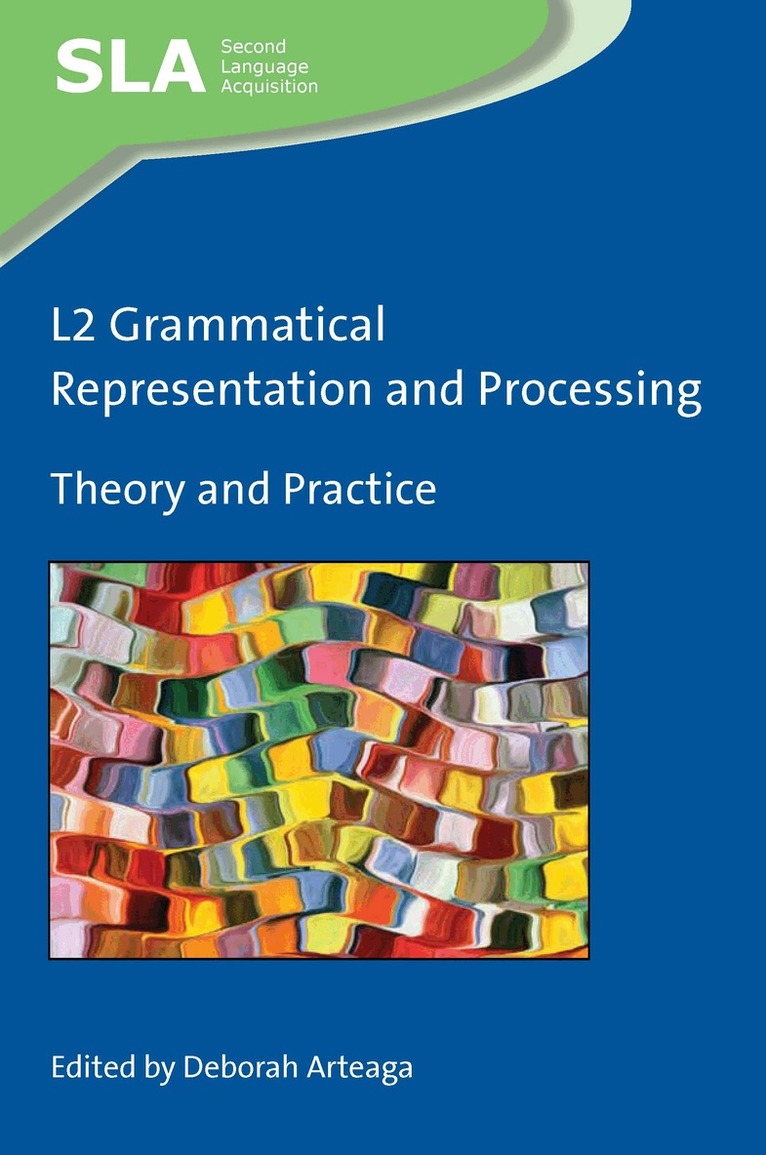
The chapters in this volume, all written by experts in the field, present an array of new research on second language acquisition (SLA) that touches on several current theoretical debates in the field and present a rich range of new empirical data and a number of innovative findings. The studies address questions relating to ultimate attainment, first language transfer, universal properties of SLA, processing and second language (L2) grammar, and explore a number of grammatical features of the L2: tense, aspect, modality, specificity, definiteness, gender, number, anaphora. These themes are complemented by the study of pragmatic competence in sociocultural aspects of register use. The students investigated in the studies range from heritage speakers to naturalistic learners, to instructed learners and immigrants. Another distinctive feature of this book is the inclusion of pedagogical recommendations based on L2 research, making the book relevant for both SLA researchers and language teachers.
1 775 kr
Tillfälligt slut
The chapters in this volume, all written by experts in the field, present an array of new research on second language acquisition (SLA) that touches on several current theoretical debates in the field and present a rich range of new empirical data and a number of innovative findings. The studies address questions relating to ultimate attainment, first language transfer, universal properties of SLA, processing and second language (L2) grammar, and explore a number of grammatical features of the L2: tense, aspect, modality, specificity, definiteness, gender, number, anaphora. These themes are complemented by the study of pragmatic competence in sociocultural aspects of register use. The students investigated in the studies range from heritage speakers to naturalistic learners, to instructed learners and immigrants. Another distinctive feature of this book is the inclusion of pedagogical recommendations based on L2 research, making the book relevant for both SLA researchers and language teachers.
1 881 kr
Tillfälligt slut
Spanish is a pluricentric language, meaning that it has several centers of prestige (e.g., San Juan, Buenos Aires, Mexico City, Lima). Moreover, Spanish, like all languages, evinces sociolinguistic variation, in that levels of formality are expressed through the use of different structures. Given this variety, students of Spanish will inevitably come into contact with variation Spanish. This variation in Spanish adds layers of complexity to the learning and instruction of the Spanish language; therefore, a linguistic understanding of variation is crucial for our students to achieve communicative competence. This unique work, which provides an overview of the most important linguistic aspects of Spanish within a context that recognizes variation, assumes no prior linguistic knowledge and is appropriate as a valuable resource manual for teachers and learners of Spanish alike.