Deborah L Krohn – författare
Visar alla böcker från författaren Deborah L Krohn. Handla med fri frakt och snabb leverans.
6 produkter
Food and Knowledge in Renaissance Italy
Bartolomeo Scappi's Paper Kitchens
Häftad, 2018
879 kr
Lägg i varukorg
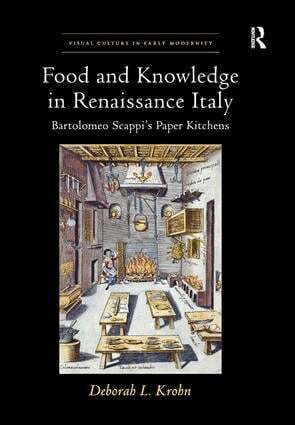
Though Bartolomeo Scappi's Opera (1570), the first illustrated cookbook, is well known to historians of food, up to now there has been no study of its illustrations, unique in printed books through the early seventeenth century. In Food and Knowledge in Renaissance Italy, Krohn both treats the …
Food and Knowledge in Renaissance Italy
Bartolomeo Scappi''s Paper Kitchens
E-bok, 2016
927 kr
Lägg i varukorg
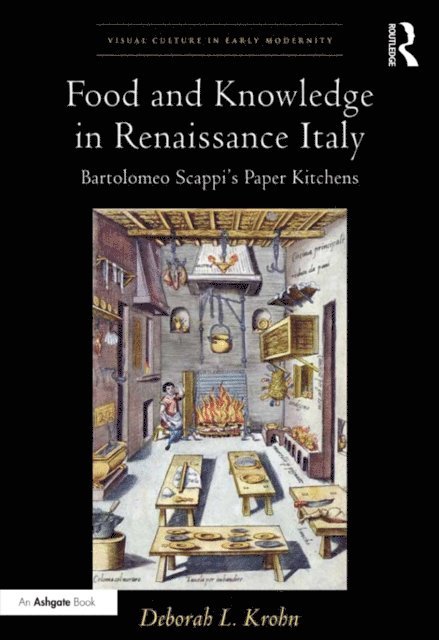
Though Bartolomeo Scappi''s Opera (1570), the first illustrated cookbook, is well known to historians of food, up to now there has been no study of its illustrations, unique in printed books through the early seventeenth century. In Food and Knowledge in Renaissance Italy, Krohn both treats the …
Food and Knowledge in Renaissance Italy
Bartolomeo Scappi''s Paper Kitchens
E-bok, 2016
907 kr
Lägg i varukorg
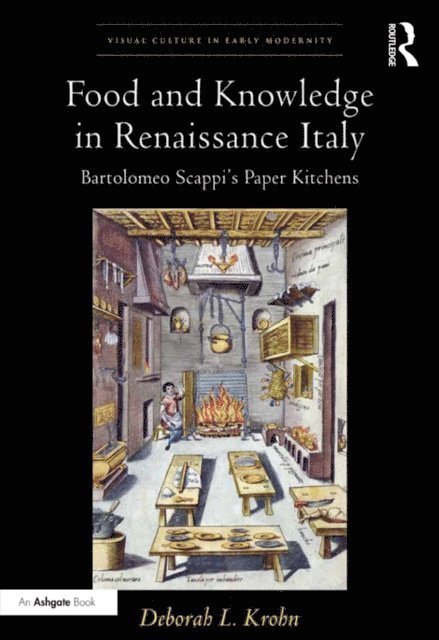
Though Bartolomeo Scappi''s Opera (1570), the first illustrated cookbook, is well known to historians of food, up to now there has been no study of its illustrations, unique in printed books through the early seventeenth century. In Food and Knowledge in Renaissance Italy, Krohn both treats the …
Food and Knowledge in Renaissance Italy
Bartolomeo Scappi's Paper Kitchens
Inbunden, 2015
2558 kr
Lägg i varukorg
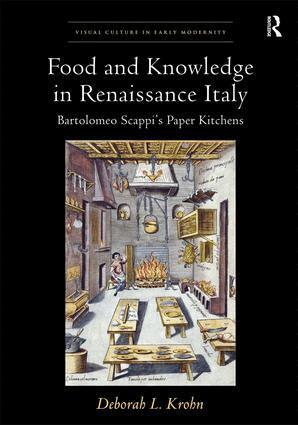
Though Bartolomeo Scappi's Opera (1570), the first illustrated cookbook, is well known to historians of food, up to now there has been no study of its illustrations, unique in printed books through the early seventeenth century. In Food and Knowledge in Renaissance Italy, Krohn both treats the …
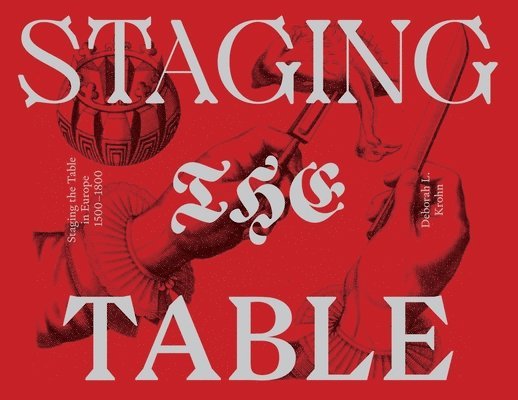
Staging the Table in Europe – 1500–1800
Häftad, 2023
361 kr
Lägg i varukorg
A first of its kind exploration of early modern European culinary history.Staging the Table in Europe represents the first book-length study of sixteenth- and seventeenth-century illustrated handbooks for cooking and dining that provided instruction for nearly every element of the dining …
Dutch New York, between East and West
The World of Margrieta van Varick
Av Deborah L. Krohn, Marybeth De Filippis m. fl.
Inbunden, 2009
880 kr
Tillfälligt slut
Commemorating the 400th anniversary of Henry Hudson’s voyage and the lasting legacy of Dutch culture in New York, this book explores the life and times of a fascinating woman, her family, and her things. Margrieta was born in the Netherlands but lived at the extremes of the Dutch colonial world, in …