Denise Gigante – författare
Visar alla böcker från författaren Denise Gigante. Handla med fri frakt och snabb leverans.
14 produkter
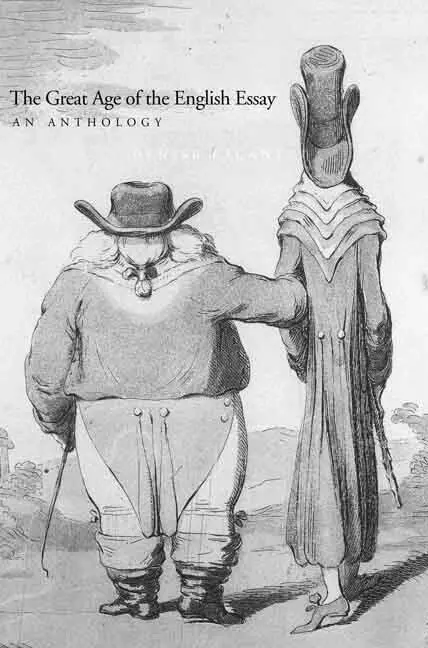
Great Age of the English Essay
An Anthology
Häftad, 2008
839 kr
Lägg i varukorg
A collection of outstanding British periodical essays from the era in which the genre was inventedFrom the pens of spectators, ramblers, idlers, tattlers, hypochondriacs, connoisseurs, and loungers, a new literary genre emerged in eighteenth-century England: the periodical essay. Situated between …
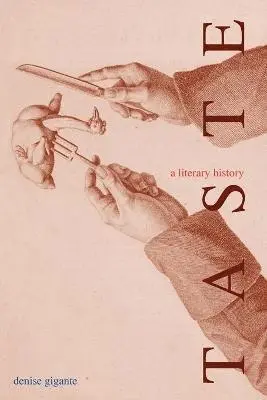
Taste
A Literary History
Häftad, 2010
544 kr
Lägg i varukorg
What does eating have to do with aesthetic taste? While most accounts of aesthetic history avoid the gustatory aspects of taste, this book rewrites standard history to uncover the constitutive and dramatic tension between appetite and aesthetics at the heart of British literary tradition. From …
Life
Organic Form and Romanticism
Häftad, 2014
607 kr
Lägg i varukorg
What makes something alive? Or, more to the point, what is life? The question is as old as the ages and has not been (and may never be) resolved. Life springs from life, and liveliness motivates matter to act the way it does. Yet vitality in its very unpredictability often appears as a threat. In …
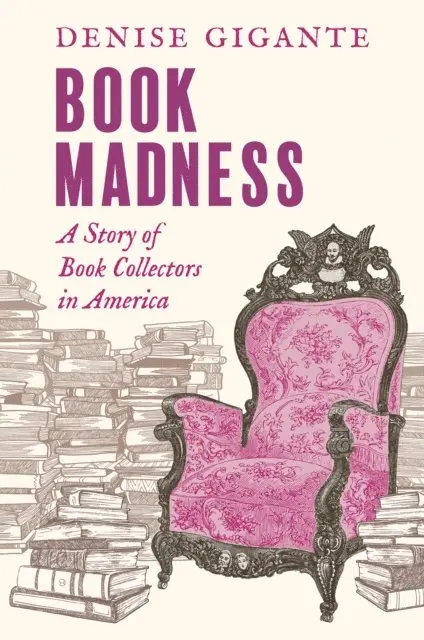
Book Madness
A Story of Book Collectors in America
E-bok, 2022
246 kr
Lägg i varukorg
The fascinating history of American bookishness as told through the sale of Charles Lamb''s library in 1848Charles Lamb''s library—a heap of sixty scruffy old books singed with smoke, soaked with gin, sprinkled with crumbs, stripped of illustrations, and bescribbled by the essayist and his literary …
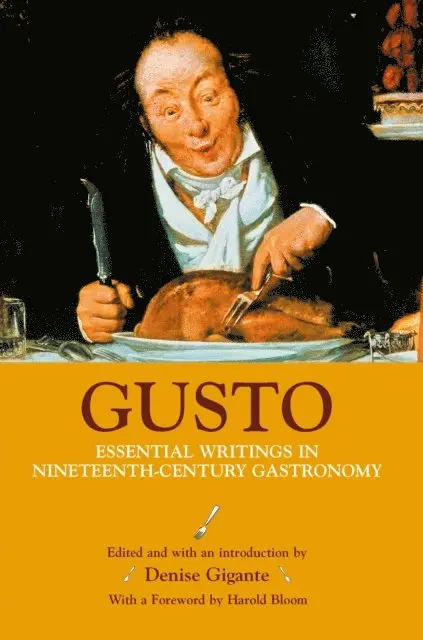
Gusto
Essential Writings in Nineteenth-Century Gastronomy
Inbunden, 2005
2581 kr
Lägg i varukorg
The French invented the restaurant in the late eighteenth century. Not long after, they invented gastronomy, the modern art of eating well: English society discovered the French chef and the English-speaking world has never been the same. This delicious anthology brings together the major English …
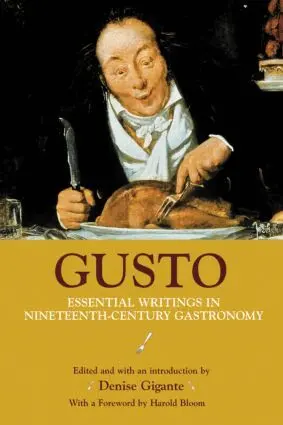
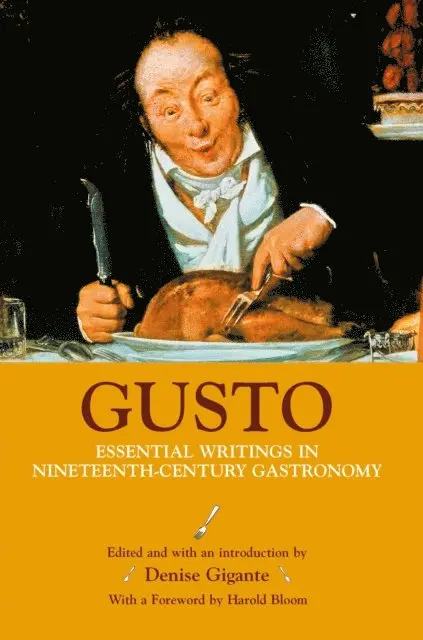
Gusto
Essential Writings in Nineteenth-Century Gastronomy
Häftad, 2005
636 kr
Lägg i varukorg
The French invented the restaurant in the late eighteenth century. Not long after, they invented gastronomy, the modern art of eating well: English society discovered the French chef and the English-speaking world has never been the same. This delicious anthology brings together the major English …
Keats Brothers
The Life of John and George
Häftad, 2013
333 kr
Lägg i varukorg
John and George Keats—Man of Genius and Man of Power, to use John’s words—embodied sibling forms of the phenomenon we call Romanticism. George’s 1818 move to the western frontier of the United States, an imaginative leap across four thousand miles onto the tabula rasa of the American dream, created …
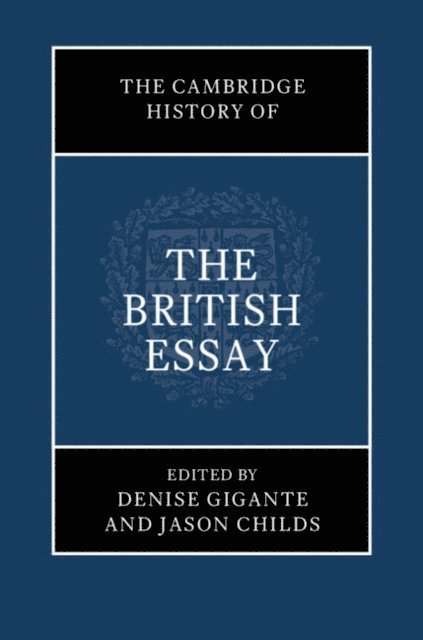
Cambridge History of the British Essay
Av Jason Childs, Denise Gigante
E-bok, 2024
2437 kr
Lägg i varukorg
Cambridge History of the British Essay
Av Jason Childs, Denise Gigante
E-bok, 2024
2437 kr
Lägg i varukorg
Gusto
Essential Writings in Nineteenth-Century Gastronomy
E-bok, 2013
837 kr
Lägg i varukorg
The French invented the restaurant in the late eighteenth century. Not long after, they invented gastronomy, the modern art of eating well: English society discovered the French chef and the English-speaking world has never been the same. This delicious anthology brings together the major English …
Gusto
Essential Writings in Nineteenth-Century Gastronomy
E-bok, 2013
812 kr
Lägg i varukorg
The French invented the restaurant in the late eighteenth century. Not long after, they invented gastronomy, the modern art of eating well: English society discovered the French chef and the English-speaking world has never been the same. This delicious anthology brings together the major English …
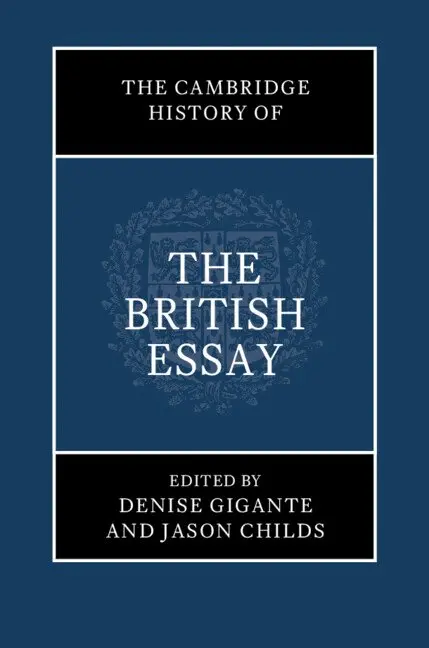
The Cambridge History of the British Essay
Av Denise Gigante, Jason Childs
Inbunden, 2024
2453 kr
Lägg i varukorg
From ancient influences on the essay as a form of rhetoric to the Irish essay as performance, from British imperial propaganda to African postcolonial resistance, from political pamphlets to the rise of literary professionalism, from gastronomy to ecocriticism, The Cambridge History of the British …
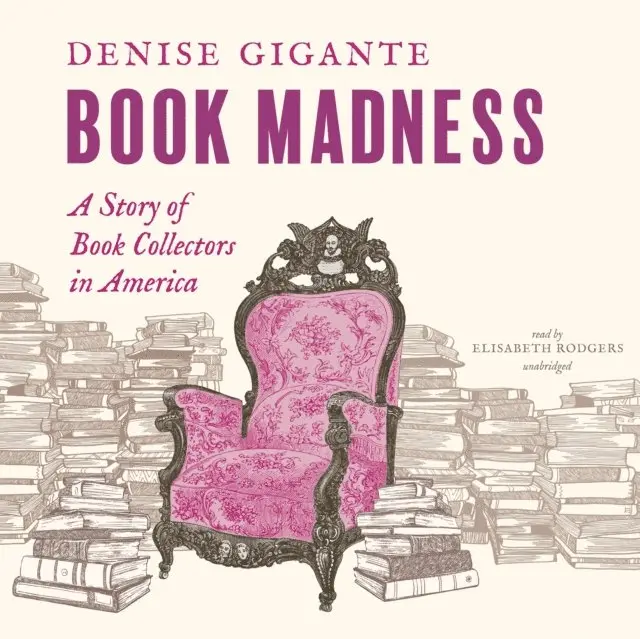
Book Madness
A Story of Book Collectors in America
Ljudbok, 2022
343 kr
Lägg i varukorg
The fascinating history of American bookishness as told through the sale of Charles Lamb’s library in 1848 Charles Lamb’s library—a heap of sixty scruffy old books singed with smoke, soaked with gin, sprinkled with crumbs, stripped of illustrations, and bescribbled by the essayist and his literary …
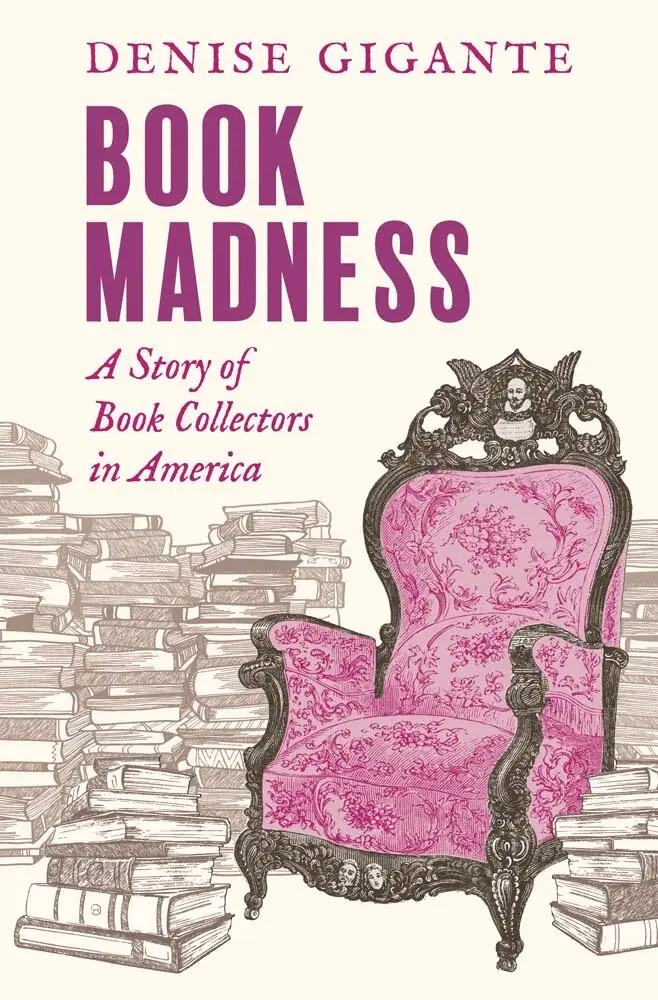
Book Madness
A Story of Book Collectors in America
Inbunden, 2022
432 kr
Tillfälligt slut
The fascinating history of American bookishness as told through the sale of Charles Lamb’s library in 1848 Charles Lamb’s library—a heap of sixty scruffy old books singed with smoke, soaked with gin, sprinkled with crumbs, stripped of illustrations, and bescribbled by the essayist and his literary …